The Points Guy believes that credit cards can transform lives, helping you leverage everyday spending for cash back or travel experiences that might otherwise be out of reach. That's why we publish a variety of editorial content and card comparisons: to help you find a great card to turn your goals into reality.
Our site may earn compensation when a customer clicks on a link, when an application is approved, or when an account is opened with our partners, and this may impact how or where these products appear. While we don't cover all available credit cards, our editorial team creates and maintains all of the analysis of these cards, and our content is not influenced nor subject to review by any credit card company, bank or partner prior to (or after) publication. Please view our advertising policy and product review methodology for more information.
Advertiser disclosure
The Points Guy believes that credit cards can transform lives, helping you leverage everyday spending for cash back or travel experiences that might otherwise be out of reach. That's why we publish a variety of editorial content and card comparisons: to help you find a great card to turn your goals into reality.
Our site may earn compensation when a customer clicks on a link, when an application is approved, or when an account is opened with our partners, and this may impact how or where these products appear. While we don't cover all available credit cards, our editorial team creates and maintains all of the analysis of these cards, and our content is not influenced nor subject to review by any credit card company, bank or partner prior to (or after) publication. Please view our advertising policy and product review methodology for more information.
Paid Content from
News
Everything you need to know about currency exchanges
Jason Steele is a Senior Points and Miles Contributor who has been writing for The Points Guy since 2012. An expert in credit cards and award travel, Jason travels frequently across the United States and around the world with his wife and three children. Jason lives in Denver, Colorado, where he enjoys cycling, snowboarding, and piloting airplanes.
March 16, 2020 • 8 min read
The cards we feature here are from partners who compensate us when you are approved through our site, and this may impact how or where these products appear. We don't cover all available credit cards, but our analysis, reviews, and opinions are entirely from our editorial team. Terms apply to the offers listed on this page. Please view our advertising policy and product review methodology for more information.Editorial disclaimer: Opinions expressed here are the author's alone, not those of any bank, credit card issuer, airline or hotel chain, and have not been reviewed, approved or otherwise endorsed by any of these entities.
Comments
By commenting, you agree to our Community Guidelines to help create a positive space for conversation. The responses below are not provided or commissioned by the bank advertiser, our partners, or The Points Guy (“TPG”). They have not been reviewed, approved, or otherwise endorsed by any of these parties. All responses are submitted by individual contributors, and neither the bank advertiser, our partners, nor TPG are responsible for ensuring that all posts and/or questions are answered.
Related stories
Quick summary
Travelers face various options for obtaining and spending foreign currency, including cash exchanges, ATM withdrawals and payment cards.
Using a payment card abroad often provides competitive exchange rates, but foreign transaction fees may apply depending on the card.
Some travel-focused cards do not charge foreign transaction fees, which can help minimize costs for international purchases.
Dynamic currency conversion, where merchants offer to charge in your home currency, can result in higher charges than paying in local currency.
What to consider
Cash is necessary in destinations with limited card acceptance, such as markets or taxis.
ATM withdrawals may incur both bank and ATM operator fees, and using a credit card for cash advances typically results in high fees and immediate interest charges.
Dynamic currency conversion may be applied without clear consent, potentially increasing your total cost.
What you'll miss from the article
Detailed guidance on avoiding unnecessary fees and understanding the nuances of foreign exchange and payment methods while traveling.
Generated by AI with support from our editorial team.
Any offers or benefits mentioned below are subject to change at any time, and may no longer be available.
It can be lot of fun to visit a foreign country, as you can have the chance to enjoy exotic foods, see unique sites and meet people from a variety of different cultures. But one of the more stressful things about visiting another country is figuring out the most cost effective ways to acquire and spend the local currency.
Currency exchange basics
Just like at home, the two common ways people make purchases in a foreign country are with cash or with a payment card, typically a credit or debit card. Even if you plan on using a credit or debit card, it's a good idea to carry some local currency with you, especially in countries where payment card acceptance isn't as universal as it is in the United States. For example, traditional markets are very common in many places (which are kind of like what we call flea markets), and those vendors often don't take credit cards. Cash can also be necessary to pay taxi drivers or to tip service providers.
(Photo by Vera Arsic/EyeEm/Getty Images)
There are several ways to exchange your US dollars for local currency. First, you can do so at home, by visiting an American Express Travel Service center. Alternatively, you can exchange currency when you arrive at your destination. Most airports are home to currency exchange companies, but you can expect these locations to charge very high commissions. Also note that currency exchanges rarely buy or sell foreign coins, just paper bills.
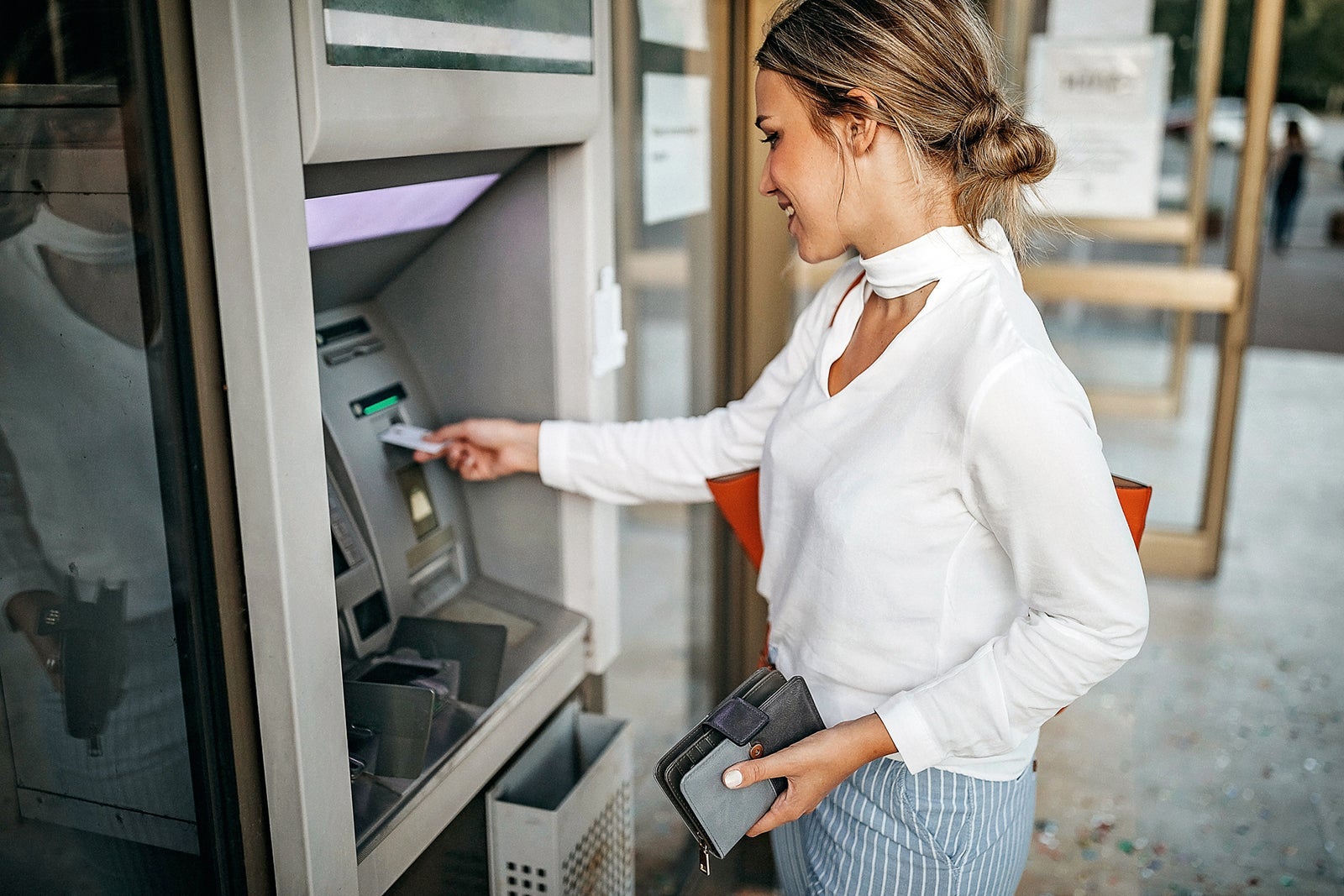
Alternatively, you can obtain foreign currency by using an ATM card. Just be aware that you may be charged fees by your bank and the ATM operator. Furthermore, you bank may also impose a foreign transaction fee on purchases or withdrawals made outside the United States. However, you're sure to get the most competitive exchange rate.
Using your credit card to make purchases outside of the United States
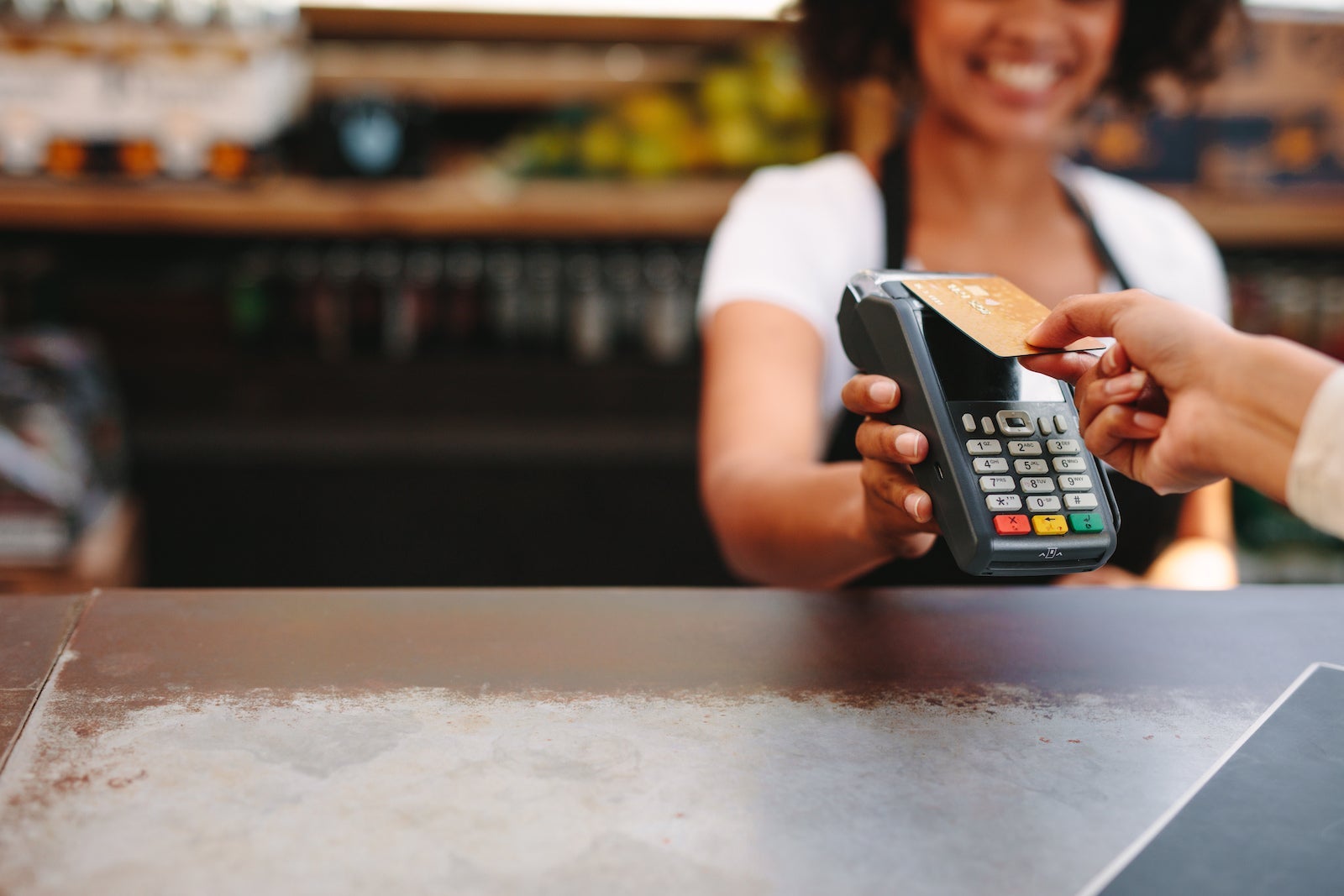
One of the great things about credit cards is that they are accepted in nearly every country in the world. For example, American Express cards are accepted in over 160 countries around the world. Credit cards also have very strong exchange rates. A possible drawback of using your credit card to make purchases in a foreign country is the potential to incur foreign transaction fees. These are fees that are imposed on transactions processed outside of the United States, which isn't a foreign currency conversion fee. For example, there are some countries that use US dollars and some foreign merchants may charge you in US dollars, but a foreign transaction fee will still apply. Most credit cards that have this fee charge 3% of the amount of the transaction, and some American Express cards have a 2.7% foreign transaction fee.
Thankfully, there are a growing number of credit cards that no longer charge foreign transaction fees. Typically, these are travel rewards cards that are designed for the needs of international travelers. There are no foreign transaction fees for the following American Express cards:
(Photo by Atit Phetmuangtong/EyeEm/Getty Images)You can find out if a new credit card has foreign transaction fees by looking at the legally mandated table of rates and fees that card issuers must provide. To find out if your current cards have foreign transaction fees, you'll want to contact your card issuer.
Using your credit card to access cash outside of the United States
When your credit card has no foreign transaction fees, it can be among the least expensive ways to make a purchase in a foreign country. But when you use your credit card to access cash from an ATM, it will likely be one of the more expensive ways to acquire foreign currency. That's because most credit cards will impose a very large cash advance fee on these transactions, often $10 or 5% of the amount of each cash advance, whichever is greater. Furthermore, cash advance balances are immediately subject to interest charges, while you can generally avoid interest on purchases by paying your statement balance in full.
ATM transactions can also be subject to any foreign transaction fees imposed by the card issuer or other fees charged by the ATM operator. Therefore, you should consider using your credit card at an ATM as a last resort when you can't use your card directly with a merchant to make a purchase.
The last thing that you need to know about foreign currency exchanges is a "service" that some merchants offer called dynamic currency conversion. The idea is that a merchant will offer to charge your credit card in your home currency, which sounds reasonable enough. But while your receipt will appear in US dollars, you may be charged more than you would have been charged in your local currency.
Supposedly, merchants are required to request your permission before they impose this "service" on you. But between the limitations of foreign languages and the merchant's incentive to opt customers into it (merchants receive a commission on each transaction), it's not uncommon to find these extra charges added to you bill without your consent.
Bottom line
Once you know how foreign exchanges work, you can enjoy your trip to any country without having to worry about incurring unnecessary fees when you make purchases.
For rates and fees of the American Express® Gold Card, click here.
For rates and fees of The Platinum Card® from American Express, click here.
For rates and fees of the Delta SkyMiles® Gold American Express Card, click here.
For rates and fees of the Delta SkyMiles® Platinum American Express Card, click here.
For rates and fees of the Delta SkyMiles® Reserve American Express Card, click here.
For rates and fees of the Hilton Honors Card from American Express, click here.
For rates and fees of the Hilton Honors American Express Surpass® Card, click here.
For rates and fees of the Hilton Honors American Express Aspire Card, click here.
For rates and fees of the Marriott Bonvoy Brilliant® American Express® Card, click here.
Comments
By commenting, you agree to our Community Guidelines to help create a positive space for conversation. The responses below are not provided or commissioned by the bank advertiser, our partners, or The Points Guy (“TPG”). They have not been reviewed, approved, or otherwise endorsed by any of these parties. All responses are submitted by individual contributors, and neither the bank advertiser, our partners, nor TPG are responsible for ensuring that all posts and/or questions are answered.