The Points Guy believes that credit cards can transform lives, helping you leverage everyday spending for cash back or travel experiences that might otherwise be out of reach. That's why we publish a variety of editorial content and card comparisons: to help you find a great card to turn your goals into reality.
Our site may earn compensation when a customer clicks on a link, when an application is approved, or when an account is opened with our partners, and this may impact how or where these products appear. While we don't cover all available credit cards, our editorial team creates and maintains all of the analysis of these cards, and our content is not influenced nor subject to review by any credit card company, bank or partner prior to (or after) publication. Please view our advertising policy and product review methodology for more information.
Advertiser disclosure
The Points Guy believes that credit cards can transform lives, helping you leverage everyday spending for cash back or travel experiences that might otherwise be out of reach. That's why we publish a variety of editorial content and card comparisons: to help you find a great card to turn your goals into reality.
Our site may earn compensation when a customer clicks on a link, when an application is approved, or when an account is opened with our partners, and this may impact how or where these products appear. While we don't cover all available credit cards, our editorial team creates and maintains all of the analysis of these cards, and our content is not influenced nor subject to review by any credit card company, bank or partner prior to (or after) publication. Please view our advertising policy and product review methodology for more information.
Guides
Want to build credit history for your kids? Add them as an authorized user
Ryan is a former TPG credit cards writer who has been around points and miles for several years and has published content at Miles to Memories, AwardWallet and The Points Guy. His wife joins him on many of his trips, and they enjoy snowboarding, diving, and seeing animals in the wild. When not traveling, Ryan is probably answering questions from his family about how he travels so much and whether this points & miles stuff is illegal.
Credit card writer Danyal Ahmed is an avid traveler, averaging about 100,000 aeronautical miles per year. He regularly applies that knowledge and his expertise in credit cards to his role as a credit card writer at TPG.
also contributed to this story
August 5, 2024 • 8 min read
The cards we feature here are from partners who compensate us when you are approved through our site, and this may impact how or where these products appear. We don't cover all available credit cards, but our analysis, reviews, and opinions are entirely from our editorial team. Terms apply to the offers listed on this page. Please view our advertising policy and product review methodology for more information.
Editorial note: This is a recurring post, regularly updated with new information and offers.
Editorial disclaimer: Opinions expressed here are the author's alone, not those of any bank, credit card issuer, airline or hotel chain, and have not been reviewed, approved or otherwise endorsed by any of these entities.
Comments
By commenting, you agree to our Community Guidelines to help create a positive space for conversation. The responses below are not provided or commissioned by the bank advertiser, our partners, or The Points Guy (“TPG”). They have not been reviewed, approved, or otherwise endorsed by any of these parties. All responses are submitted by individual contributors, and neither the bank advertiser, our partners, nor TPG are responsible for ensuring that all posts and/or questions are answered.
Related stories
Quick summary
Adding children as authorized users on your credit card can help them build a positive credit history and learn responsible money management.
Authorized users receive a card in their name, but the primary cardholder is responsible for all charges and payments.
Policies for adding minors as authorized users vary by issuer, including minimum age requirements and whether activity is reported to credit bureaus.
There are both benefits and risks, including potential impacts on your child's credit if the account is mismanaged.
What to consider
Some cards may charge a fee for adding authorized users, especially premium products.
Not all issuers report authorized user activity for minors, and reporting policies differ by age and bank.
You can set spending limits or choose not to give the physical card to your child if you have concerns about their readiness.
What you'll miss from the article
A detailed comparison of issuer policies and alternative strategies for helping your child build credit responsibly.
Generated by AI with support from our editorial team.
Having an established credit history and a good credit score is an important part of being financially independent. Teaching your kids about responsible money management should involve a discussion of credit cards. One of the easiest ways to help your children build credit history while learning about credit cards is by adding them as authorized users.
An authorized user on a credit card is someone who has a copy of your credit card with their name on it. As the primary cardholder, you are responsible for all their charges and for paying the bill. In other words, the authorized user gets to swipe, but you have to pay.
Letting your kids run around with a credit card may sound risky, but there may be benefits for both you and your children. For parents and legal guardians, adding an authorized user to your credit card account sometimes includes extra perks (bonus points on a welcome offer, statement credits, additional lounge access or other card benefits). In addition to benefits for you, there are long-lasting benefits for your kids. Here's a closer look.
Adding a child as an authorized user on your credit card can help them start building a credit file — or can help minimize bad credit history they may have established for themselves. This way, they can get better credit offers (loans, mortgages, car leases and more) and lower interest rates on those products once they are older.
When you add a child as an authorized user, it reports as a new account on your child's credit report, and the account history and details will affect their report.
This goes both ways, however. Good credit card activity and payment history can benefit your child's credit report; bad activity, such as a high utilization ratio, can harm it.
Having a card in their own name also helps your children learn to manage expenses while still under your protection, establishing healthy financial habits early.
Of course, there are also benefits for you. Every dollar your authorized user spends earns the same points and miles as if you were the one doing the spending. Some banks allow authorized users to spend the points, too. For example, Chase Ultimate Rewards points can be transferred into the loyalty accounts of one authorized user who is a household member (this can be a handy way to top off a child's airline account to reach an award redemption). However, you are limited to one person who meets these criteria, so don't use the functionality for a child if you'd prefer to transfer those points to a spouse.
There is no overarching legal requirement for a minimum age to add an authorized user to your credit card. Thus, issuing banks can establish their own rules, policies and processes for adding minors to card accounts. Most banks make it easy to add an authorized user online while logged into your account or by calling the number on the back of your card. Here's a look at the various policies:
Card issuer
Minimum age
Reports to credit bureau?
American Express
13
Yes, at age 18
Bank of America
None
Yes
Barclays
13
Yes, at age 16
Capital One
18
Yes
Chase
None
Yes
Citibank
None
Yes
Discover
15
Yes
First National Bank of Omaha (FNBO)
None
Yes
HSBC
None
Yes
PNC
16
Yes
Synchrony
None (though not all cards permit authorized users)
Yes
U.S. Bank
13
Yes
USAA
None
Yes
Wells Fargo
18
Yes, at age 18
This information is related to personal credit cards. Small business cards typically have their own rules. Some banks ask for the authorized users' Social Security Number (SSN) but shouldn't pull credit reports on the authorized user since the primary cardholder is the one who is responsible for making payments.
Things to consider before adding a child as an authorized user
There are a few reasons why you might not want to add your children as authorized users on your credit cards.
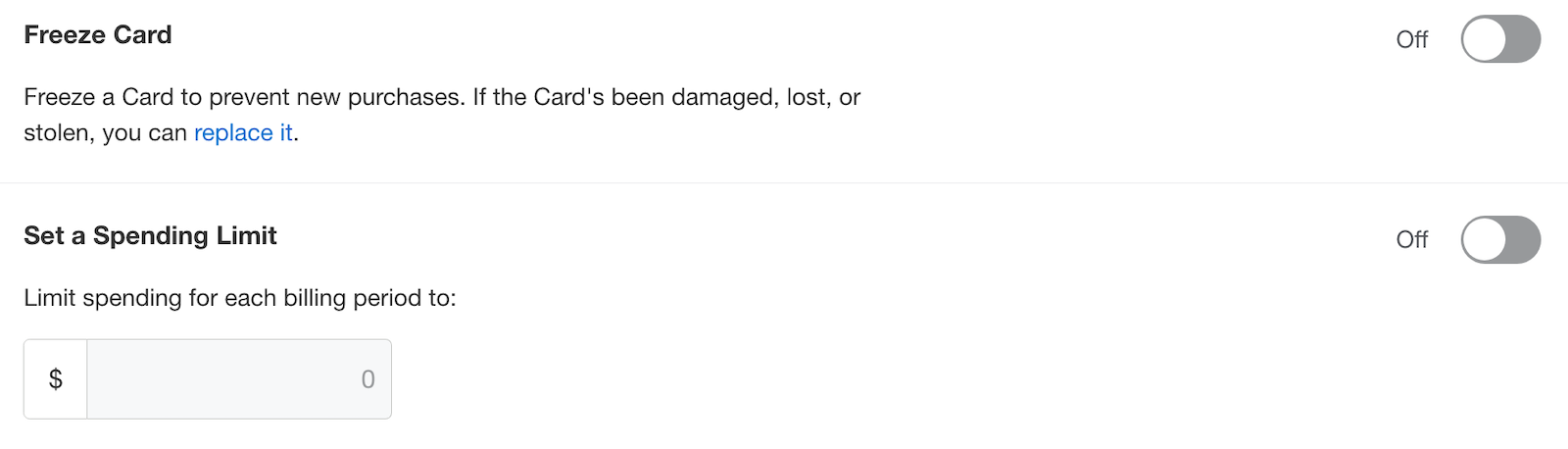
First, you'll be responsible for all purchases made by authorized users. Ensure your kids are mature enough to understand the cause and effect of swiping or entering a card number for every purchase. If you think your child is not ready for the responsibility, you can add them as authorized users and not actually share the card with them. You may also be able to set spending limits for your authorized user.
AMERICANEXPRESS.COM
Next, some cards charge an annual fee for adding authorized users (which can be hefty with premium cards). If you're only using this card to teach your kids about credit or to help them build a credit history, use a card that doesn't charge fees for additional users.
Lastly, most — but not all — credit cards report authorized user activity to the credit bureaus. Understanding this is even more complex when the authorized user is a minor because not all banks allow authorized users of the same age or follow the same reporting rules for minors. If you want to help your child build credit history, ensure you know when (or if) this information will be reported to the credit bureaus.
DRAZEN_/GETTY IMAGES
When it's time for your children to open a credit card account in their own names, they can do so even if they are authorized users on your account for the same type of card. However, do know that authorized user accounts can influence the way Chase views 5/24 status. However, if you speak with Chase, it can usually manually discount that card from the 5/24 total.
Remember that incurring negative marks on your credit accounts may affect your authorized users too. If you run into financial trouble, you should remove your children as authorized users to protect their credit histories.
Alternatives to adding your children as authorized users
Adding your kids as authorized users on your credit card isn't the only way to build credit history or teach them about finances.
You could takeout a small loan (including a credit-building one) and help your child establish credit history by making payments on this loan. However, these tend to have high interest rates. Plus, ensure you only borrow what you can confidently pay back.
MOMO PRODUCTIONS/GETTY IMAGES
Another option is a secured credit card. Only those age 18 and above can be primary accountholders on credit cards — including secured cards — but this is a great option for ensuring your child doesn't overspend while learning to use a credit card. You could open a secured card with your child as an authorized user before their 18th birthday and/or help them open a secured card of their own after age 18.
There's no standard time or age when you can add children as authorized users on your credit cards. Moreover, weighing the pros and cons is important to see if your child is ready and could benefit from it. By adding your kids as authorized users to your credit cards (depending on their age and the issuing bank), they will appreciate their positive credit history when they apply for their own credit cards in the future.
By commenting, you agree to our Community Guidelines to help create a positive space for conversation. The responses below are not provided or commissioned by the bank advertiser, our partners, or The Points Guy (“TPG”). They have not been reviewed, approved, or otherwise endorsed by any of these parties. All responses are submitted by individual contributors, and neither the bank advertiser, our partners, nor TPG are responsible for ensuring that all posts and/or questions are answered.