Jennifer is a contributing writer to The Points Guy where she focuses on family travel. She is also the founder of Deals We Like where she helps her readers travel on a deal.
January 21, 2022 • 8 min read
The cards we feature here are from partners who compensate us when you are approved through our site, and this may impact how or where these products appear. We don't cover all available credit cards, but our analysis, reviews, and opinions are entirely from our editorial team. Terms apply to the offers listed on this page. Please view our advertising policy and product review methodology for more information.Editorial disclaimer: Opinions expressed here are the author's alone, not those of any bank, credit card issuer, airline or hotel chain, and have not been reviewed, approved or otherwise endorsed by any of these entities.
Comments
By commenting, you agree to our Community Guidelines to help create a positive space for conversation. The responses below are not provided or commissioned by the bank advertiser, our partners, or The Points Guy (“TPG”). They have not been reviewed, approved, or otherwise endorsed by any of these parties. All responses are submitted by individual contributors, and neither the bank advertiser, our partners, nor TPG are responsible for ensuring that all posts and/or questions are answered.
Related stories
Quick summary
The article reviews several credit cards that offer strong benefits for grocery store purchases, catering to both travel rewards and cash-back preferences.
It highlights how rising food costs have prompted many to reconsider their card strategies to maximize savings at supermarkets and related merchants.
Options are discussed for those who prefer cash back, flexible points or brand-specific perks, including cards that provide discounts at select retailers.
The article notes that some offers mentioned may no longer be available.
What to consider
Some cards have spending caps on grocery rewards, after which lower rates apply.
Brand-specific cards may require a paid membership or only provide discounts at certain stores, limiting broader grocery savings.
Eligibility for certain perks or bonus rates may depend on meeting transaction thresholds or enrollment requirements.
What you'll miss from the article
A detailed comparison of which card types best fit different grocery shopping habits and how to optimize rewards based on your spending patterns.
Generated by AI with support from our editorial team.
Update: Some offers mentioned below are no longer available. View the current offers here.
Lately, I am home more than ever. The pandemic has significantly shifted my habits, as I have cut back on everything from travel to going out for meals.
With this change, I am finding myself cooking more meals at home, meaning I'm prioritizing always having a full pantry. However, more meals at home equals higher grocery bills, thanks, in part, to rising food costs.
Up until now, I had rarely focused on my grocery purchases, but that is about to change. If you are like me and want to pay more attention to grocery store spending in the new year, these are the credit cards to consider adding to your wallet.
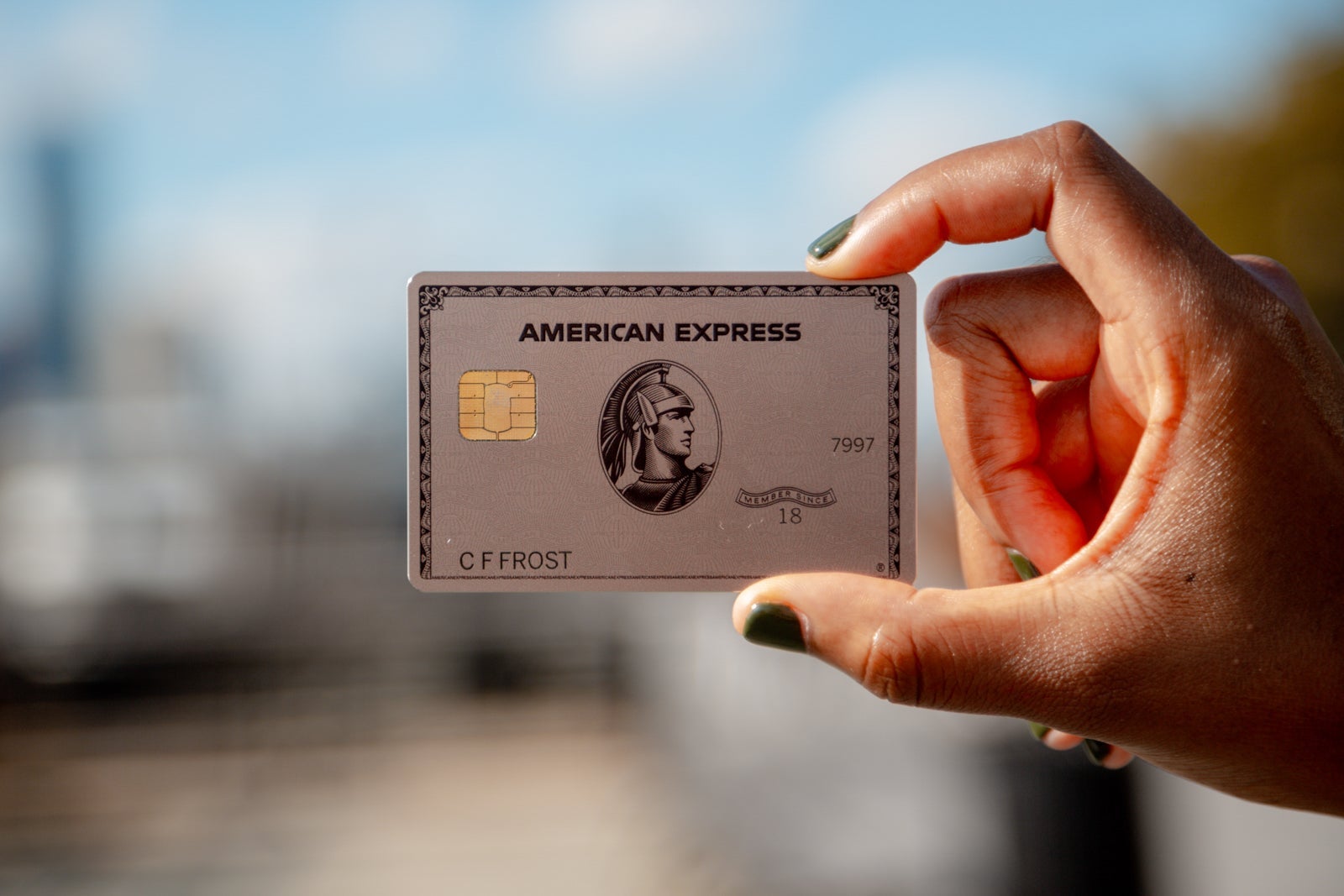
The American Express® Gold Card is one of the best cards for big supermarket spenders. With this card, you'll earn 4 Membership Reward points per dollar spent at U.S. supermarkets on up to $25,000 per calendar year, then 1 point per dollar spent. This amount is significantly more than what the average household spends, which means you'll likely earn the full bonus for all of your purchases. Since American Express points are worth 2 cents each, according to TPG's monthly valuations, this is effectively an 8% return on all of your grocery purchases at U.S. supermarkets.
The card also awards 4 points per dollar spent at restaurants (including takeout and delivery in the U.S.) and 3 points per dollar spent on flights booked directly with airlines or on the Amex Travel Portal.
However, with a $250 annual fee (see rates and fees), you'll want to make sure the rewards you are earning are worth the cost. Fortunately, perks like up to $120 annual dining credits and up to $10 monthly in Uber Cash help offset the fee. Enrollment is required for select benefits.
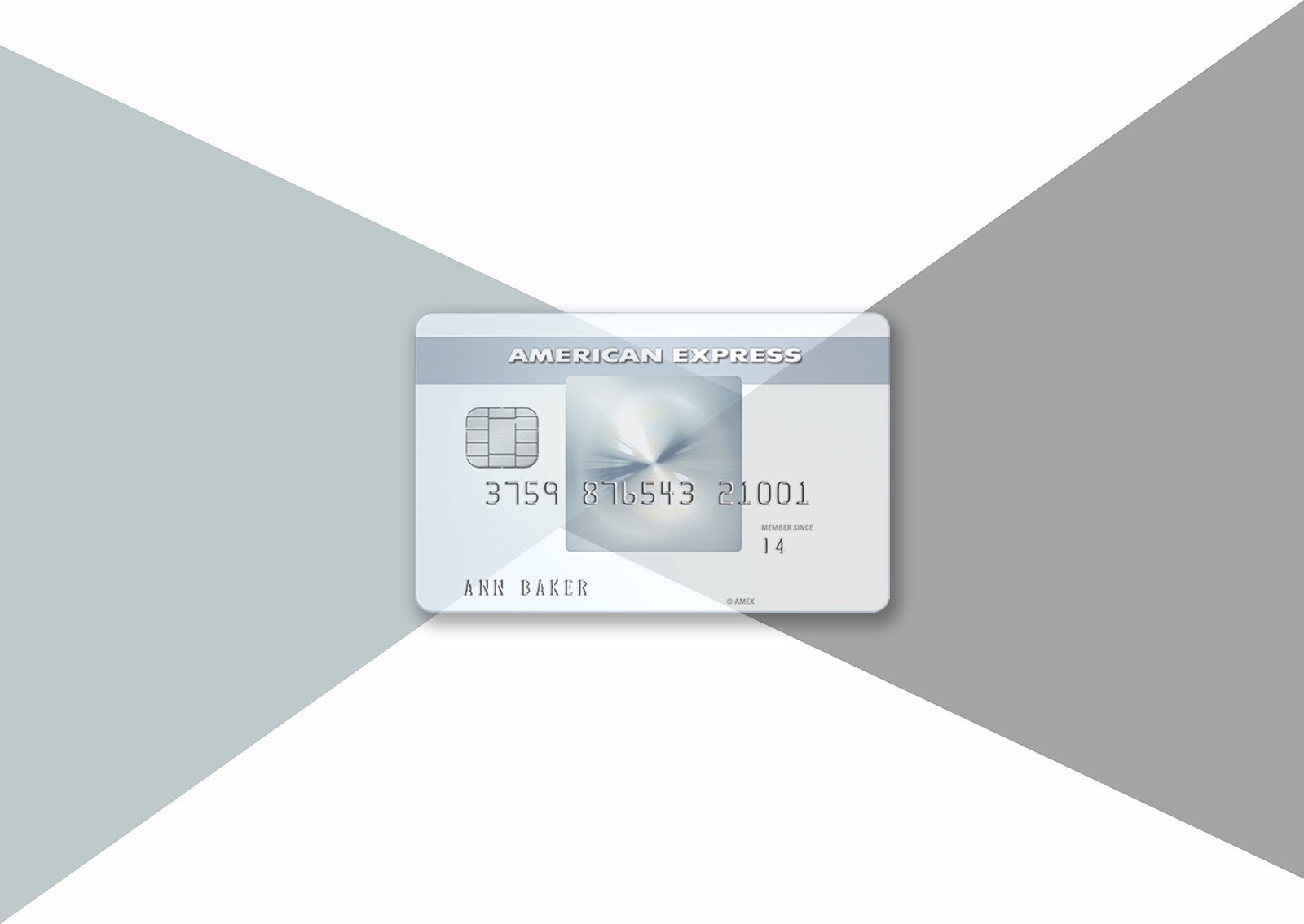
The Amex EveryDay® Credit Card from American Express
(Photo courtesy of Shutterstock)
Another Membership Reward-earning credit card is The Amex EveryDay® Credit Card from American Express. If you have this card, you'll earn 2 points per dollar spent at U.S. supermarkets on up to $6,000 per calendar year, then 1 point per dollar spent. When you swipe your card 20 or more times in a single billing period, you'll earn 20% more points on those purchases (minus returns and credits).
While this card is a great option for earning grocery bonuses, if you find that your grocery bills are quite high, you may be better off choosing The Amex EveryDay® Preferred Credit Card from American Express, which charges a $95 annual fee. This card earns 3 points per dollar spent at U.S. supermarkets, with the same $6,000 cap (then 1 point per dollar spent). Plus, you'll receive 50% more points on purchases if you swipe your card at least 30 times in a single billing period.
Without the 20% and 50% bonus taken into consideration, the break even point between the two cards (after factoring in the annual fee) is $4,750.
The information for the Amex EveryDay has been collected independently by The Points Guy. The card details on this page have not been reviewed or provided by the card issuer.
Blue Cash Preferred® Card from American Express
(Photo by The Points Guy)
If you are looking for a way to instantly receive a return on your high grocery store bills, a cash-back card may be your best option. With the Blue Cash Preferred® Card from American Express, you'll enjoy 6% cash back at U.S. supermarkets on up to $6,000 per calendar year, then 1%. While this is an extremely easy way to get cash back in your pocket to lower your purchases, the earning cap may be on the lower end for some.
Additionally, this card offers a $0 intro annual fee for first year, then $95 annual fee (see rates and fees).
You'll also earn earn 6% cash back on select U.S. streaming subscriptions, 3% cash back on transit (including taxis and ride-hailing services, parking, tolls, trains and buses) and U.S. gas stations, and 1% cash back on everything else.
Should you find yourself wanting to cut overall expenses without paying an annual fee, a cash-back card like the Capital One SavorOne Cash Rewards Credit Card may be an ideal option for you. Every time you use this card at grocery stores (excluding superstores like Walmart® and Target®), you'll earn 3% cash back. There is no cap to the amount of cash you'll earn.
What's more, you'll earn 3% cash back on dining, entertainment and popular streaming services. On everything else, you'll earn 1% cash back.
For anyone who loves Whole Foods or prefers ordering groceries online through Amazon, there's the Amazon Prime Rewards Visa Signature Card, which can save cardholders a boatload of money. When you use this card at Whole Foods or on Amazon.com (non-grocery orders included), you'll earn 5% cash back. Additionally, you'll receive 2% cash back at restaurants, gas stations and drugstores.
An added bonus is that when you use this card for Amazon purchases and those made at other stores, you'll receive purchase protection. With this service, you'll be covered if a product is damaged or stolen within the first 120 days of your purchase as long as the claim is no more than $500 and your account's claim totals do not exceed $50,000 in that calendar year.
While this card doesn't charge an annual fee, know that an Amazon Prime membership, which currently costs $119 a year, is required.
The information for the Amazon Prime Rewards Visa Card has been collected independently by The Points Guy. The card details on this page have not been reviewed or provided by the card issuer.
Target RedCard
(Photo by Eric Helgas/The Points Guy)
Anyone who regularly frequents Target for groceries and other purchases should consider signing up for the Target RedCard. Unlike other cards where you have to request cash back or wait for a check in the mail, the Target RedCard automatically deducts 5% from your total during checkout. This includes non-grocery items and any item purchased on Target's website.
However, groceries purchased at other stores do not receive this 5% discount, so if you're not exclusive to Target when grocery shopping, it may not be the right fit for your spending habits.
The information for the Target Red Card has been collected independently by The Points Guy. The card details on this page have not been reviewed or provided by the card issuer.
Bottom line
As food prices continue to rise and families spend more time at home because of the pandemic, it's important to maximize rewards earnings when going to the supermarket.
Fortunately, there are several credit cards available to help you save more on groceries. Whether you want a traditional travel card, a cash-back option or a brand-specific card, there's usually a card that will work well with your spending habits.
By commenting, you agree to our Community Guidelines to help create a positive space for conversation. The responses below are not provided or commissioned by the bank advertiser, our partners, or The Points Guy (“TPG”). They have not been reviewed, approved, or otherwise endorsed by any of these parties. All responses are submitted by individual contributors, and neither the bank advertiser, our partners, nor TPG are responsible for ensuring that all posts and/or questions are answered.