Yes, you still have to put your phone in airplane mode on an airplane
Editor's Note
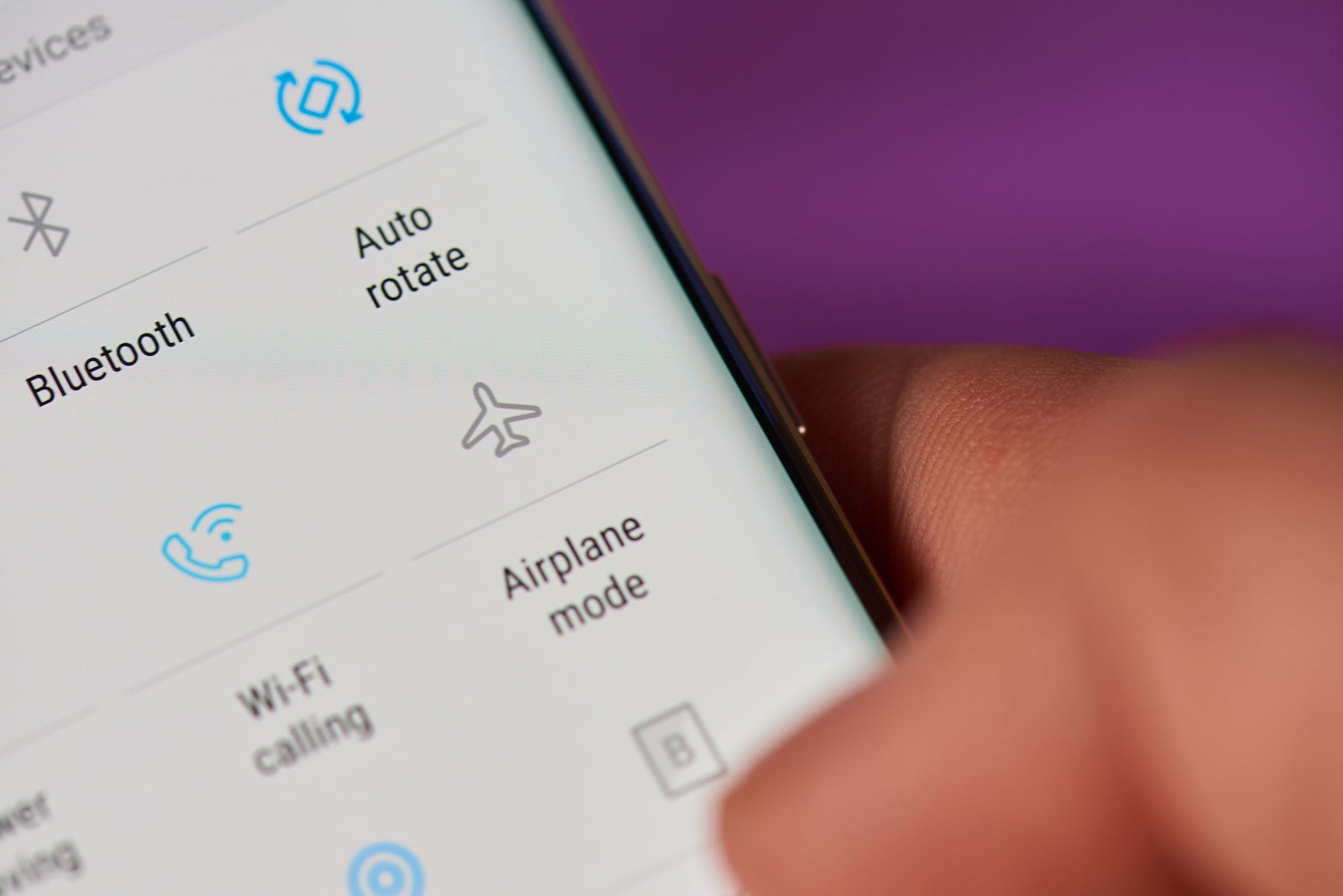
By now, we're all familiar with the overhead announcement that typically comes after boarding is complete: "Please turn off your phone or put it on airplane mode." The question is, do you really have to?
The simple answer is yes, you have to put your phone in airplane mode on a plane. Why? Because the Federal Aviation Administration mandates it. FAA regulations require all passengers to put their phones in airplane mode while in the air.
"The FCC [Federal Communications Commission] and FAA ban cell phones for airborne use because its signals could interfere with critical aircraft instruments. Devices must be used in airplane mode or with the cellular connection disabled," per the FAA website.
That's why airlines make that announcement during every flight. The concern is that cell signals could potentially interfere with navigation and communication systems. That's a perfectly reasonable assumption, and it's one that many people have held since the dawn of the cellphone era. However, there is little evidence to support the premise that cellphone signals interfere with a plane's navigation or communications systems.
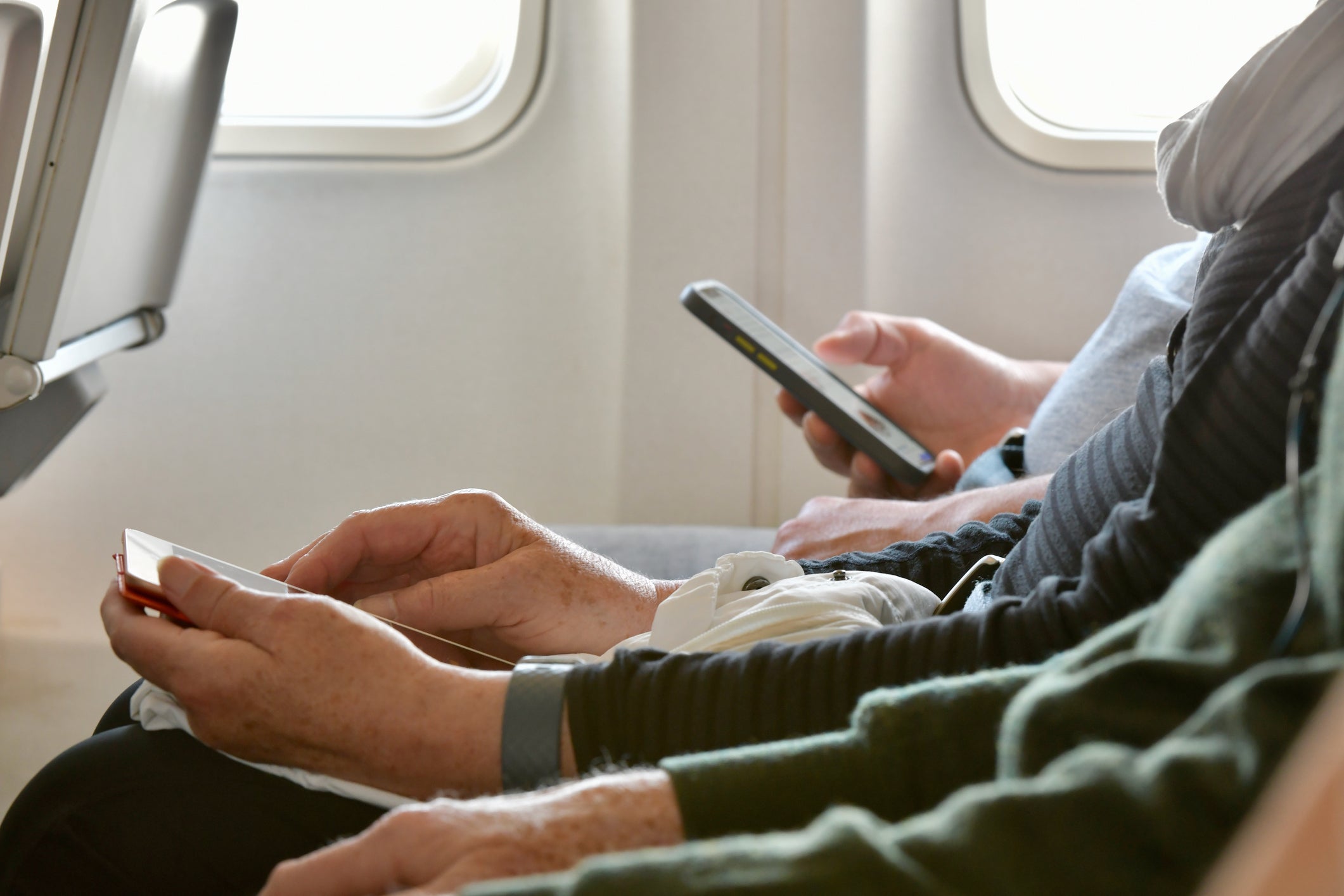
The FAA actually did a study on this back in 2012. The report found practically no instances where cellphone usage disrupted an aircraft. Cellphones have become even more embedded in modern society since then, and technology has continued to advance. We're in the 5G era now, and the thinking about cellphone use while on a plane has evolved. In 2022, Europe approved the use of cellphones on planes through 5G connectivity for calls and data usage.
The EU decision is in sharp contrast to the stance of U.S. authorities, who were once so concerned about 5G antennas on the ground interfering with airplane operations that it led to flight cancellations and diversions. However, 5G signals use different frequency bands than airplane communications systems, minimizing the risk of interference. Still, the increased sophistication of modern aircraft and their automated systems has not diminished some people's concerns that cellphone signals could interfere with an airplane's systems.
In fact, a pilot recently went viral on TikTok for a video he posted where he urged passengers to use airplane mode. He said "it's not a conspiracy," but a legitimate safety issue.
You may be wondering why cellphone signals are considered a potential risk, but Wi-Fi signals (which most planes offer) aren't. This is because Wi-Fi operates at lower strength and on different frequencies than cellphones.
But the true reason why you'll most likely still have to use airplane mode for the foreseeable future is because the FAA does not want to risk doing anything that would add to the stress of air travel. "I expect that the ban on voice calls and video calls will remain in place, at least for the foreseeable future, simply because airplanes are crowded shared environments," Henry Harteveldt, an aviation industry analyst for San Francisco-based Atmosphere Research Group, said. "Even on a good day, there's tension in the cabin from people given how full aircraft airline flights are."

Harteveldt added that he doubts the airline industry is in any rush to change the rules. "The airlines want the FAA to leave this in place because that way, when passengers complain, they can point the finger to the FAA and say, 'Well, we hear you, but it's their fault,'" he said.
For the airlines, the airplane mode mandate saves them the trouble of being the bad guy, and it also acts as a peacekeeping method that helps keep the friendly skies ... friendly.
"The airlines are probably telling the FAA, 'don't you dare change this policy,'" Harteveldt said. "I don't believe that airlines or the FAA want to risk further aggravating passengers by subjecting them to listening to their neighbor's conversations in an enclosed space where you literally have no room to escape."
Related reading:
- When is the best time to book flights for the cheapest airfare?
- The best airline credit cards
- What exactly are airline miles, anyway?
- 6 real-life strategies you can use when your flight is canceled or delayed
- Maximize your airfare: The best credit cards for booking flights
- The best credit cards to reach elite status
- What are points and miles worth? TPG's monthly valuations
TPG featured card
at American Express's secure site
Terms & restrictions apply. See rates & fees.
| 4X | Earn 4X Membership Rewards® points per dollar spent on purchases at restaurants worldwide, on up to $50,000 in purchases per calendar year, then 1X points for the rest of the year. |
| 4X | Earn 4X Membership Rewards® points per dollar spent at US supermarkets, on up to $25,000 in purchases per calendar year, then 1X points for the rest of the year. |
| 5X | Earn 5X Membership Rewards® points on prepaid hotel stays booked through AmexTravel.com or the Amex Travel App™. |
| 3X | Earn 3X Membership Rewards® points on flights booked through AmexTravel.com, the Amex Travel App™, or purchased directly from airlines. |
| 2X | Earn 2X Membership Rewards® points on prepaid car rentals booked through AmexTravel.com or the Amex Travel App™ and cruises booked and paid through AmexTravel.com. |
| 1X | Earn 1X Membership Rewards® point per dollar spent on all other eligible purchases. |
Pros
- Valuable dining and food-related credits
- Flexible rewards with airline and hotel transfer partners
- Multiple travel and purchase protections
- No foreign transaction fees
- Access to Amex Offers for additional savings (enrollment required)
Cons
- Not as useful for those living outside the U.S.
- Some may have trouble using Uber and other dining credits
- You may be eligible for as high as 100,000 Membership Rewards® Points after you spend $8,000 in eligible purchases on your new Card in your first 6 months of Card Membership. Welcome offers vary and you may not be eligible for an offer. Apply to know if you’re approved and find out your exact welcome offer amount – all with no credit score impact. If you’re approved and choose to accept the Card, your score may be impacted.
- Earn 4X Membership Rewards® points per dollar spent on purchases at restaurants worldwide, on up to $50,000 in purchases per calendar year, then 1X points for the rest of the year.
- Earn 4X Membership Rewards® points per dollar spent at US supermarkets, on up to $25,000 in purchases per calendar year, then 1X points for the rest of the year.
- Earn 5X Membership Rewards® points on prepaid hotel stays booked through AmexTravel.com or the Amex Travel App™.
- Earn 3X Membership Rewards® points on flights booked through AmexTravel.com, the Amex Travel App™, or purchased directly from airlines.
- Earn 2X Membership Rewards® points on prepaid car rentals booked through AmexTravel.com or the Amex Travel App™ and cruises booked and paid through AmexTravel.com.
- Earn 1X Membership Rewards® point per dollar spent on all other eligible purchases.
- Pay It® lets you tap in the American Express® App to quickly pay for small purchase amounts throughout the month and still earn rewards the way you usually do. Plan It® gives you the option to split up big purchases into equal monthly payments with a fixed fee. You’ll know upfront exactly how much you’ll pay.
- $120 Dining Credit: Earn up to a total of $10 in statement credits monthly when you pay with the Gold Card at Grubhub (including Seamless), Buffalo Wild Wings, Five Guys, The Cheesecake Factory, and Wonder. This can be an annual savings of up to $120. Enrollment required.
- $100 Resy Credit: Get up to $100 in statement credits each calendar year at over 10,000 qualifying U.S. Resy restaurants after you pay for eligible purchases with the American Express® Gold Card. That’s up to $50 in statement credits semi-annually. Enrollment required.
- $84 Dunkin' Credit: Earn up to $7 in monthly statement credits after you pay with the American Express® Gold Card at U.S. Dunkin’ locations. Enrollment required.
- $120 Uber Cash on Gold: Enjoy up to $120 in Uber Cash annually with your Gold Card. Just add your Card to your Uber account and you'll get $10 in Uber Cash each month to use on orders and rides in the U.S. when you select an Amex Card for your transaction.
- Enjoy complimentary Hertz Five Star® Status benefits like skipping the counter at select locations, adding an additional driver at no additional cost*, and vehicle upgrades**. Benefit enrollment and Hertz Gold+ registration are required. *Additional drivers must meet standard rental qualifications and must be a spouse or domestic partner to qualify as complimentary. Other additional drivers subject to fees. **Benefits are subject to availability and vary by location. Additional Hertz program Terms and Conditions including age restrictions apply.
- Book two nights or more with The Hotel Collection through AmexTravel.com or the Amex Travel App™ and receive a $100* credit towards eligible charges at over 1,400 upscale hotels worldwide. *Eligible charges vary by property.
- Book your travel through the Amex Travel App™ with added peace of mind – backed by American Express® service and support. Only for American Express® Card Members.
- Whenever you need us, we're here. Our Member Services team will ensure you are taken care of. From lost Card replacement to statement questions, we are available to help 24/7.
- No Foreign Transaction Fees.
- Annual Fee is $325.
- Terms Apply.