Skip to content

Why are most aircraft painted predominantly white?

Oct. 13, 2019
3 min read
IMG_2125-copy
Why are most aircraft painted predominantly white?
The cards we feature here are from partners who compensate us when you are approved through our site, and this may impact how or where these products appear. We don’t cover all available credit cards, but our analysis, reviews, and opinions are entirely from our editorial team. Terms apply to the offers listed on this page. Please view our advertising policy and product review methodology for more information.

Aircraft liveries, or the designs painted on the exterior of aircraft from the nose to the tail, are a way to identify to which airline the plane belongs. You may be able to easily recognize an aircraft flying miles overhead due to the color scheme of the tail, and the airline name across the fuselage.

Airlines spend huge amounts of money on this branding exercise, and when liveries are updated, they are the subject of much debate as passengers decide if the new design is an improvement on the old one. Though there are some unique and eye-catching creations, one factor of the liveries across most airlines is the same — they are predominantly white.

Is this just a coincidence?

Well, no — here's why.
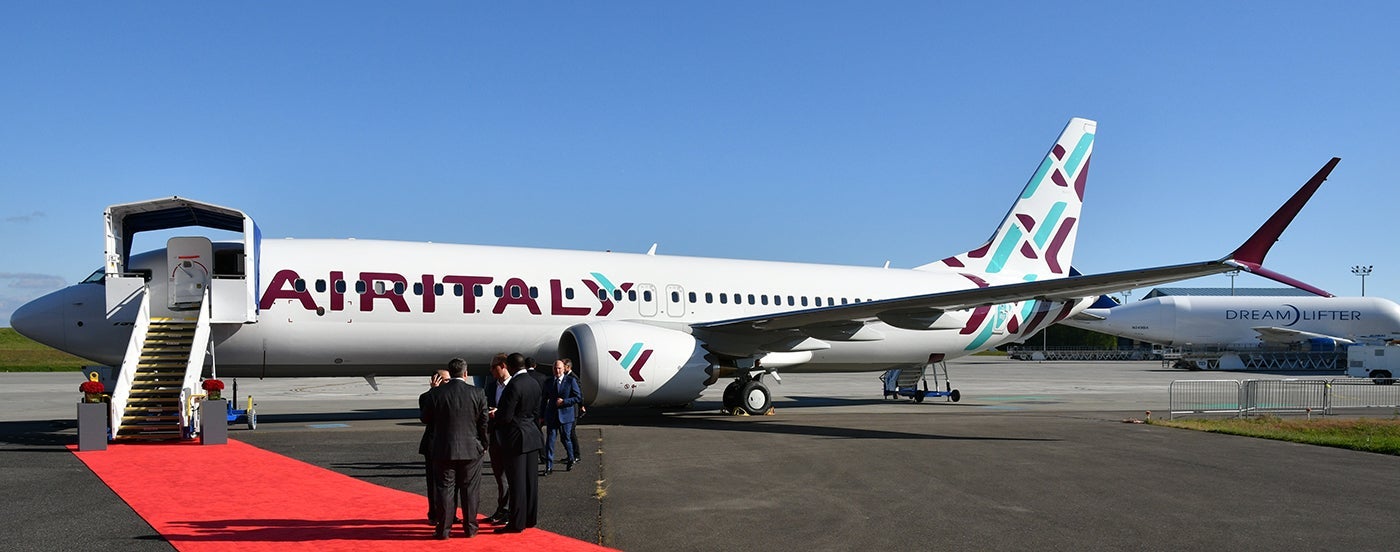
(Photo by Alberto Riva / The Points Guy)

One reason is that white paint reflects sunlight, helping to keep aircraft cool and minimize any potential damage from solar radiation.

To keep aircraft as light as possible in order to reduce fuel costs, planes are made from composite materials, which need protection from the heat of the sun, as MIT Aeronautics and Astronautics professor R. John Hansman told Business Insider. The cooler the plane is from the paint protecting its exterior, the less cooling (and subsequent expense) will be required inside.

Daily Newsletter
Reward your inbox with the TPG Daily newsletter
Join over 700,000 readers for breaking news, in-depth guides and exclusive deals from TPG’s experts

Although a tin of paint by itself might not weigh much, airlines need a lot of paint to cover an entire aircraft — especially a Boeing 747 or Airbus A380. This can add half a tonne to the weight of the plane. This is another reason airlines favor minimal, plain designs — adding lots of different colors and layers for a snazzy yet complex livery costs more to paint, and therefor weighs more to fly each and every time the aircraft takes to the skies.
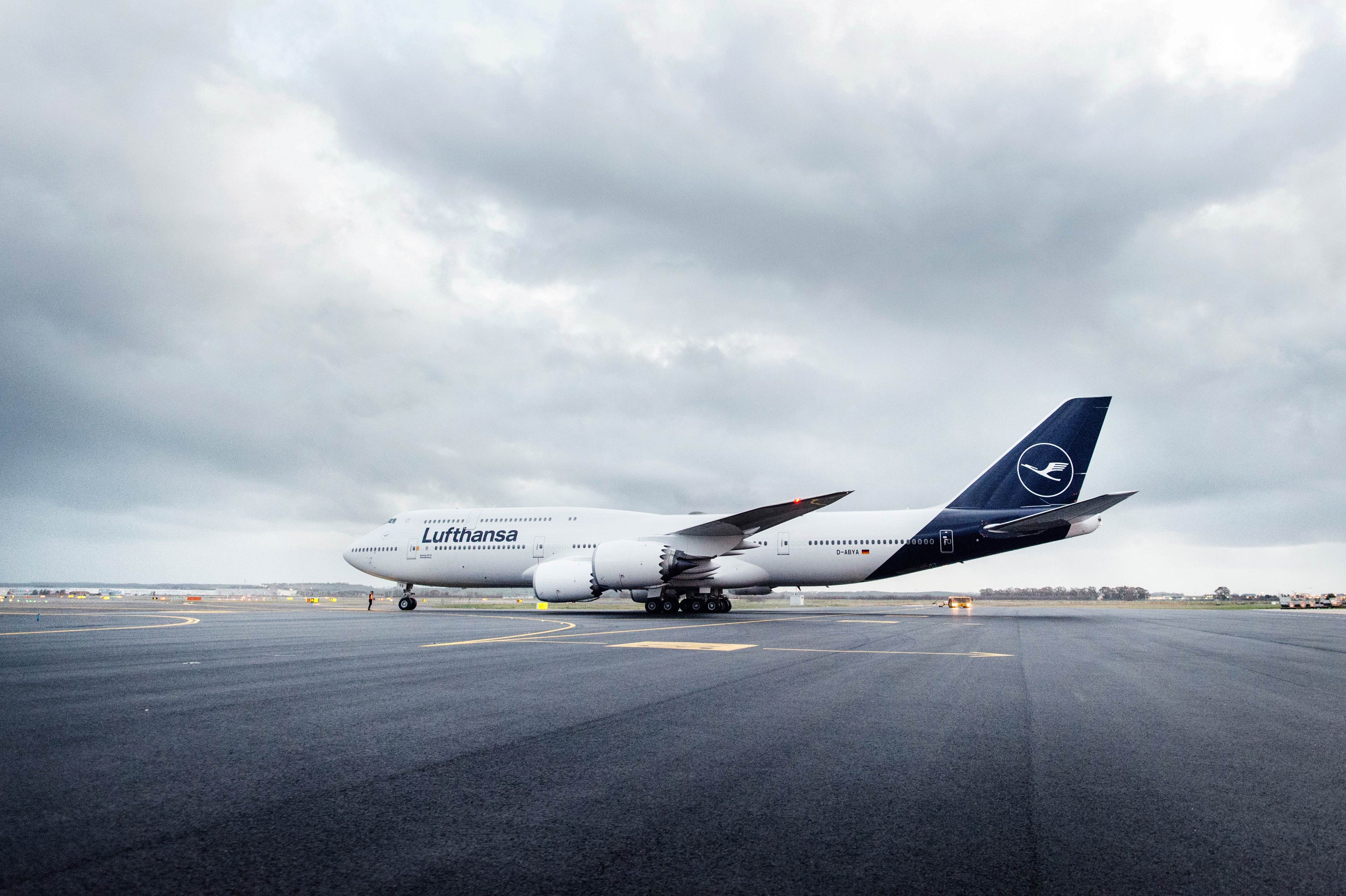
Lufthansa 747. (Photo courtesy of Lufthansa)

Like a car or luxury leather sofa in your living room, white does show the dirt. You may have noticed some older white aircraft looking particularly dirty, especially around the doors where the aerobridges connect with the plane. You might think white color schemes have a big downside of making planes look dirtier than they might be in a darker color, but the white paint does help with aircraft maintenance for this exact reason. Cracks and dents in the aircraft fuselage can be more easily spotted on white paint.

Airlines do sometimes paint entire planes with nonwhite designs, such as the famous Air New Zealand All Blacks Boeing 777 aircraft. While these are expensive to paint and do not offer some of the protection that white paint does as mentioned above, they are used for promotional purposes, which helps to offset the increased cost.

Air New Zealand B777. Photo by Air New Zealand.

Sign up for the free daily TPG newsletter for more travel tips!

TPG featured card

Rewards rate
3XEarn 3X Miles on Delta purchases.
1XEarn 1X Miles on all other eligible purchases.
Intro offer
Open Intro bonus
Earn up to 125,000 Bonus Miles
Annual fee
$650
Regular APR
19.49%-28.49% Variable
Recommended credit
Open Credit score description
Excellent to Good

Pros

  • Delta SkyClub access when flying Delta
  • Annual companion ticket for travel on Delta (upon renewal)
  • Ability to earn MQDs through spending
  • Various statement credits for eligible purchases

Cons

  • Steep annual fee of $650
  • Other Delta cobranded cards offer superior earning categories
  • Earn 100,000 Bonus Miles after you spend $6,000 or more in purchases with your new Card within the first 6 months of Card Membership and an additional 25,000 bonus miles after you make an additional $3,000 in purchases on the Card within your first 6 months, starting from the date that your account is opened. Offer Ends 04/01/2026.
  • Delta SkyMiles® Reserve American Express Card Members receive 15 Visits per Medallion® Year to the Delta Sky Club® when flying Delta and can unlock an unlimited number of Visits after spending $75,000 in purchases on your Card in a calendar year. Plus, you’ll receive four One-Time Guest Passes each Medallion Year so you can share the experience with family and friends when traveling Delta together.
  • Enjoy complimentary access to The Centurion® Lounge in the U.S. and select international locations (as set forth on the Centurion Lounge Website), Sidecar by The Centurion® Lounge in the U.S. (see the Centurion Lounge Website for more information on Sidecar by The Centurion® Lounge availability), and Escape Lounges when flying on a Delta flight booked with the Delta SkyMiles® Reserve American Express Card. § To access Sidecar by The Centurion® Lounge, Card Members must arrive within 90 minutes of their departing flight (including layovers). To access The Centurion® Lounge, Card Members must arrive within 3 hours of their departing flight. Effective July 8, 2026, during a layover, Card Members must arrive within 5 hours of the connecting flight.
  • Receive $2,500 Medallion® Qualification Dollars with MQD Headstart each Medallion Qualification Year and earn $1 MQD for each $10 in purchases on your Delta SkyMiles® Reserve American Express Card with MQD Boost to get closer to Status next Medallion Year.
  • Enjoy a Companion Certificate on a Delta First, Delta Comfort, or Delta Main round-trip flight to select destinations each year after renewal of your Card. The Companion Certificate requires payment of government-imposed taxes and fees of between $22 and $250 (for itineraries with up to four flight segments). Baggage charges and other restrictions apply. Delta Basic experiences are not eligible for this benefit.
  • $240 Resy Credit: When you use your Delta SkyMiles® Reserve American Express Card for eligible purchases with U.S. Resy restaurants, you can earn up to $20 each month in statement credits. Enrollment required.
  • $120 Rideshare Credit: Earn up to $10 back in statement credits each month after you use your Delta SkyMiles® Reserve American Express Card to pay for U.S. rideshare purchases with select providers. Enrollment required.
  • Delta SkyMiles® Reserve American Express Card Members get 15% off when using miles to book Award Travel on Delta flights through delta.com and the Fly Delta app. Discount not applicable to partner-operated flights or to taxes and fees.
  • With your Delta SkyMiles® Reserve American Express Card, receive upgrade priority over others with the same Medallion tier, product and fare experience purchased, and Million Miler milestone when you fly with Delta.
  • Earn 3X Miles on Delta purchases and earn 1X Miles on all other eligible purchases.
  • No Foreign Transaction Fees. Enjoy international travel without additional fees on purchases made abroad.
  • $650 Annual Fee.
  • Apply with confidence. Know if you're approved for a Card with no impact to your credit score. If you're approved and you choose to accept this Card, your credit score may be impacted.
  • Terms Apply.
  • See Rates & Fees