Missed approach: What happens during a go-around?

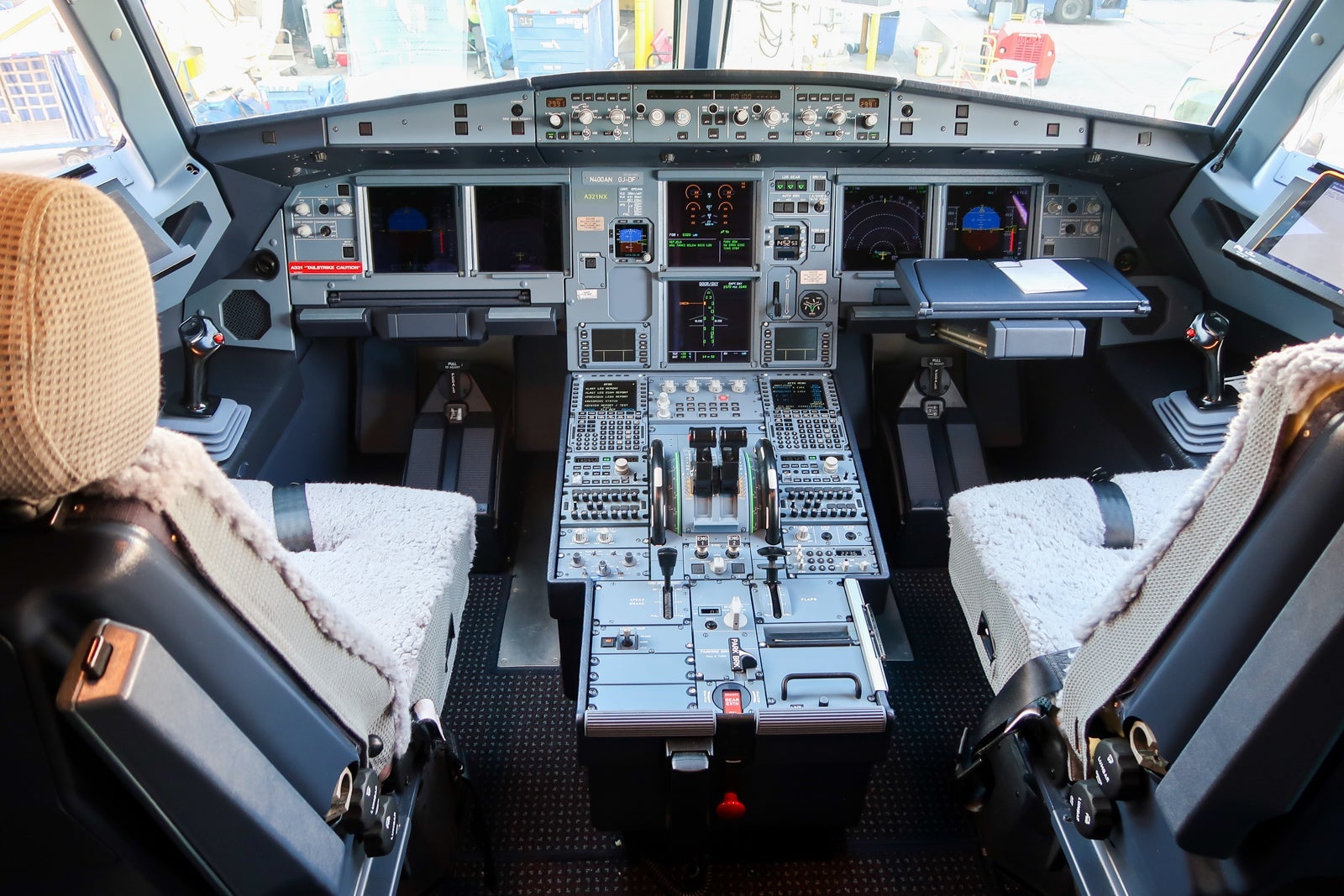
A few weeks ago, a video made the rounds on social media of a student pilot whose aircraft ended up nose first in the grass. The clip shows this individual making an approach to a runway, only to veer off to the side, tipping the aircraft onto its propeller. Happily to say, the only thing hurt was the pilot's pride. What the video did highlight though was the thought process and decisions behind go-arounds. Many people were asking the question, "Why didn't he just go-around?" Now, I'm not going to sit here from the comfort of my desk and start to criticize another pilot's actions in the heat of the moment. I know full well that how you actually react in the pressure of a situation is often quite different to how you think you would react. What I will do though is discuss the thought process that goes into a go-around and how, with training, experience and planning, it is normally a far safer option than continuing to land.
Sign up for the free daily TPG newsletter for more travel tips!
What is a go-around?
If you were reading the above and are wondering what the heck a go-around is, it's pretty simple. A go-around is when the pilots decide that it is safer to climb back up into the air rather than continue to land. This can happen at any stage of the approach and can be down to a number of reasons. From the passengers' perspective, the experience can be quite alarming. After hours sat in a cramped seat, the ground out of the window is almost within touching distance... before the engines suddenly roar into life and the aircraft soars back up into the sky. Read more: What are the strange noises and sensations you experience on a flight?

Initially, there is no communication as to what's going on. Depending on the airline, the cabin crew may make a quick announcement explaining that the pilots have decided to carry out a go-around (the term "missed approach" is also sometimes used) and that they will make their own announcement shortly. With all this going on in a short space of time, it may seem that it was done in a panic. However, this could not be further from the truth. The thought process for a go-around doesn't begin the moment the pilots increase the engine power. It begins way back in the quiet of the cruise.
What causes a go-around?
When looking at what may cause a go-around, it's useful to consider what pilots are aiming to do in order to complete a safe landing. This includes touching the aircraft down within the touchdown zone on the runway, within the runway edges and at a safe speed. If any of these are in doubt, it's much safer for us to go-around. If the wind across the runway is too strong, the aircraft may not touch down within the edges of the runway. Therefore, we go-around. If the aircraft is high on the approach, it may not touchdown in the touchdown zone. Therefore, we go-around. If the aircraft is too fast, there may not be enough runway to stop. Therefore, you guessed it, we go-around. Low cloud and fog are also reasons for a go-around. Every approach has a published Decision Altitude (DA). When reaching this point, if we are not able to see the runway or the approach lights, we must go-around. Other factors may also necessitate a go-around. If the previous landing aircraft is still on the runway, there could be a risk of colliding with them. Or, in the case of the video below, sometimes aircraft stray onto the landing runway. This is known as a runway incursion. Whilst quite rare, understandably, it requires the landing aircraft to go-around. Read more: What do pilots do during the cruise? https://youtu.be/1N5THRSp4hM?t=30
The brief
At 41,000 feet up in the air, all is calm. We're above most of the weather, the sky is blue and the workload is low. The Autopilot is doing the dull work of keeping the wings level and following the route which we have instructed it to. Here, our main role is to keep an eye on all the systems and keep a strategic mental model of the environment around us. As we get closer to the destination, it's time to start thinking about our approach and landing. As the saying goes, "a good landing comes from a good approach" -- meaning that the actual touchdown is only a small part of the landing. The real work goes into getting the aircraft from the cruise into a position where a safe touchdown can be made. Whilst we will know the runway in use and the approach we can expect to fly, there's always an element of the unknown. Driving your car to a new destination without first planning your route may be seen as naive. Flying an aircraft with 250 people on board without planning for the approach is downright dangerous. As a result, before every approach we make, we discuss not only what we expect to do but also how we expect to do it. It's all well and good saying that we're going to land on runway 24L, but how we are going to get the aircraft to the touchdown point is key. Not only does this brief discuss what we plan to do, it will also include what we will do if things don't go according to plan. A main part of this is always, "What if we have to go-around?"
Published Missed Approach Procedure
As a go-around is a time of extremely high workload, every approach to a runway has a Published Missed Approach Procedure. This details the lateral track we must fly and also the vertical profile with which we must comply. This means that in the event of a go-around, ATC has already "told" us what they want us to do. During the brief, we check that what is in the Flight Management Computer (FMC) is what is depicted on the approach chart. As the aircraft guidance system will follow what is in the FMC, any errors here must be picked up before we start the approach. This is normally done by one pilot reading the procedure from the chart and the other checking that the FMC reads the same. Most importantly, this also includes the Missed Approach Altitude (MAA), the altitude which we must stop at to avoid conflicting with other traffic.


Who's doing what?
Once both pilots are happy that the FMC is correct, we will then discuss how we will fly the go-around. Flying an airliner is a complex task and this is partly why there are always two pilots at the controls. In addition, airlines have their own set of Standard Operating Procedures (SOPs). These detail who is responsible for which actions. This means that even if two pilots have never met before, they know what they can expect of each other, depending on their role on the day. These roles are divided into Pilot Flying (PF) and Pilot Monitoring (PM). The pilot responsible for the flying of the aircraft, be it the Captain or First Officer, is the Pilot Flying. The other pilot has the responsibility for monitoring what the PF is doing and so becomes the Pilot Monitoring. The PM is also responsible for handling the communications with ATC.

During a go-around, both pilots have different, but equally important jobs to do. It's a carefully executed ballet of moving the flaps and landing gear whilst safely flying the aircraft away from the ground. Like with real ballet, practice makes perfect and this is what the approach brief is all about. Together, we will both talk through exactly what we will do in the case of a go-around. What will the PF say? What will the PM do in response? What is the missed approach altitude? Each stage of the go-around is discussed in detail to ensure that we are both absolutely clear how the procedure will run. This ensures that there are no surprises in the heat of the moment.
Try again or divert?
Once level at the MAA, it'll be time to make a decision. Do we try to land at the destination airport again or do we divert to our alternate airport? This will depend on a number of factors, primarily how much fuel we have remaining. By discussing this at the briefing stage, making a decision when the blood is pumping just after a missed approach is made much easier. If the weather is foggy at the destination and we know we'll only have enough fuel to head straight to the alternate after a go-around, the decision has already been made. The brief is also a great time to discuss a few factors about the alternate -- the routing to get there, the approach in use and the current weather. With these items discussed in the calm of the cruise, not when the pressure is on after a go-around, the workload is greatly reduced.
The go-around
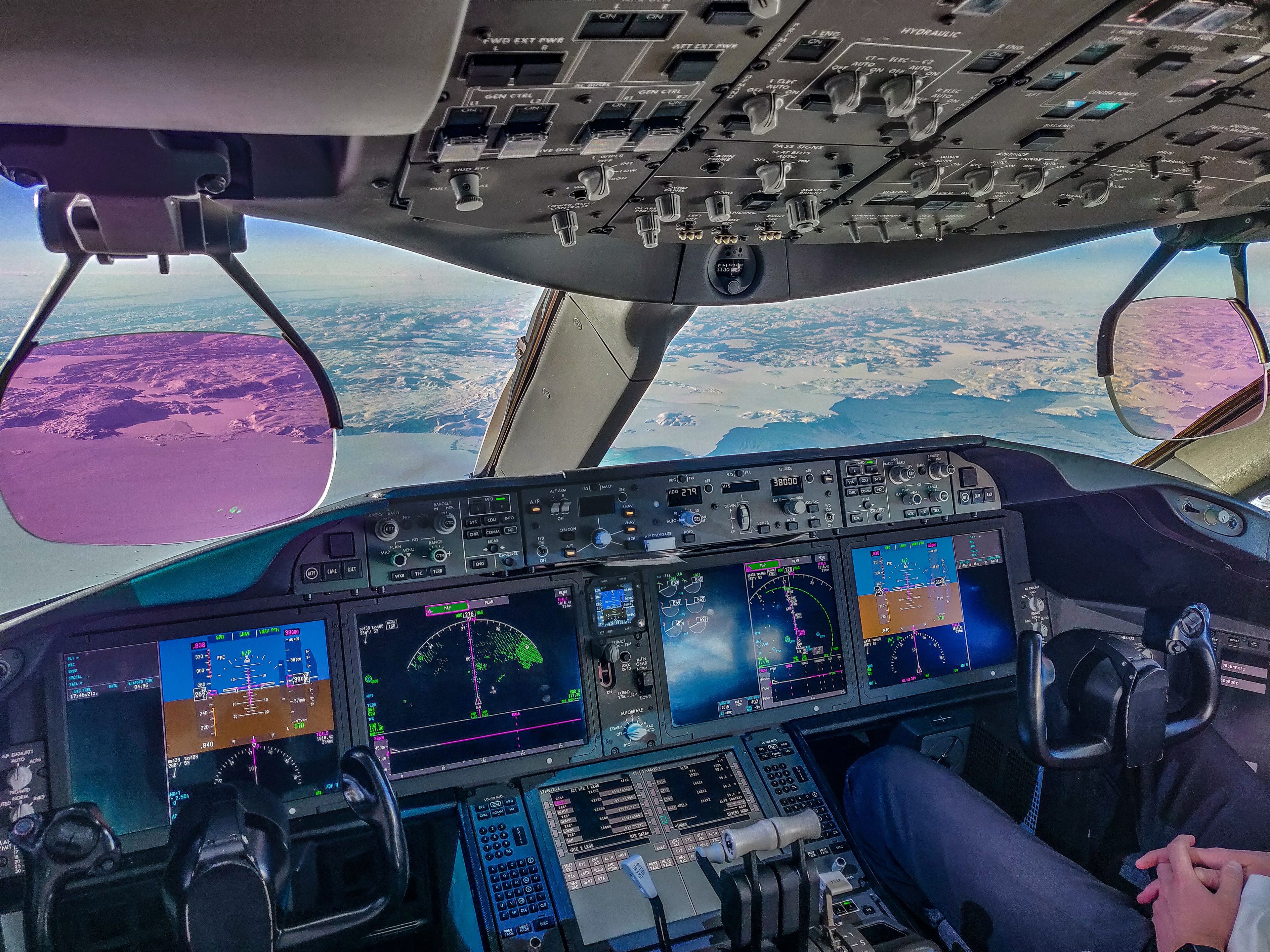
With the whole maneuver well understood by both pilots, it's ready to be executed at almost any stage of the approach. Each aircraft type will have its own subtle differences on how exactly it is flown, but the basic principles remain the same. Get power on and climb away from the ground. On the 787 Dreamliner, a go-around looks like this: The PF will press the TOGA (Take Off/Go Around) button located on the thrust levers and call "Go-around, Flaps 20." The PM will move the flap lever to set Flaps 20. If the Autopilot is still engaged, the PF will ensure that the nose pitches up. If flying manually, they will pull back on the control column. With the power increasing and the aircraft climbing away from the ground, still at the approach speed, the PM will announce "Positive Rate (of climb)" and the PF will ask for the gear to be selected up. The PM then checks the Flight Mode Annunciators (FMAs) on their screen to ensure that the correct autoflight modes have engaged. Particularly important is the lateral guidance mode. Is the aircraft following the track in the FMC? This also includes another check of the MAA.

When reaching the Missed Approach Altitude, the aircraft levels off and starts to accelerate. This enables us to retract the flaps and return to the "clean speed" -- the slowest speed the aircraft can fly with the flaps retracted. Once level it's then time to decide what to do next. However, as mentioned before, a good crew will already pretty much know what they are going to do in this situation. We'll do a quick review of the fuel and weather before either deciding to carry on with the original plan, or, should circumstances have changed significantly, come up with a new plan. You may have noticed that we still haven't said anything to the passengers. Even though the go-around maybe a little alarming to some, our priority is to fly the aircraft. Once we have safely completed the procedure and have decided on a plan of action, only then will we speak to the cabin.
Rejected Landing Procedure
Getting some power on and climbing away from the ground are the fundamentals to a go-around. So long as you're doing both those things, the path of the aircraft will remain safe. The aircraft will still climb with the gear down -- so long as there is sufficient power from the engines. On the 777 and 787, at around 30 feet the auto-throttle enters what's know as "flare mode." In anticipation of touching down, it slowly reduces the power to idle. The potential problem comes when a low level go-around is needed, maybe even after the aircraft has touched down. In these situations, the TOGA button will not work so we are required to disconnect the auto-throttle and manually apply maximum power. It may take a several seconds for the engines to power up from idle so only when they have done so do we pull gently back on the stick to fly the aircraft away from the ground. Once airborne, the TOGA switches become active again. This recycles the autoflight system and then the normal go-around procedure is applied.
Bottom line
Whilst a go-around can be quite a surprising experience for passengers, for pilots it's all in the preparation. By talking through the process during the calm of the cruise, we know exactly what we will do should we need to go-around. Finally, don't be concerned if you don't hear from us for a little while. At times of high workload, our priority is always on flying the aircraft. Once we're happy that the path of the aircraft is safe and we know what the plan is, we'll be on the PA system to talk to you.
TPG featured card

at Capital One's secure site
Terms & restrictions apply. See rates & fees.
| 5X miles | Earn 5X miles on hotels, vacation rentals and rental cars booked through Capital One Travel |
| 2X miles | Earn unlimited 2X miles on every purchase, every day |
Pros
- Stellar welcome offer of 75,000 miles after spending $4,000 on purchases in the first three months from account opening. Plus, a $250 Capital One Travel credit to use in your first cardholder year upon account opening.
- You'll earn 2 miles per dollar on every purchase, which means you won't have to worry about memorizing bonus categories
- Rewards are versatile and can be redeemed for a statement credit or transferred to Capital One’s transfer partners
Cons
- Highest bonus-earning categories only on travel booked via Capital One Travel
- LIMITED-TIME OFFER: Enjoy $250 to use on Capital One Travel in your first cardholder year, plus earn 75,000 bonus miles once you spend $4,000 on purchases within the first 3 months from account opening - that’s equal to $1,000 in travel
- Earn unlimited 2X miles on every purchase, every day
- Earn 5X miles on hotels, vacation rentals and rental cars booked through Capital One Travel
- Miles won't expire for the life of the account and there's no limit to how many you can earn
- Receive up to a $120 credit for Global Entry or TSA PreCheck®
- Use your miles to get reimbursed for any travel purchase—or redeem by booking a trip through Capital One Travel
- Enjoy a $50 experience credit and other premium benefits with every hotel and vacation rental booked from the Lifestyle Collection
- Transfer your miles to your choice of 15+ travel loyalty programs
- Top rated mobile app