Should you be worried about turbulence? Here’s what the experts say
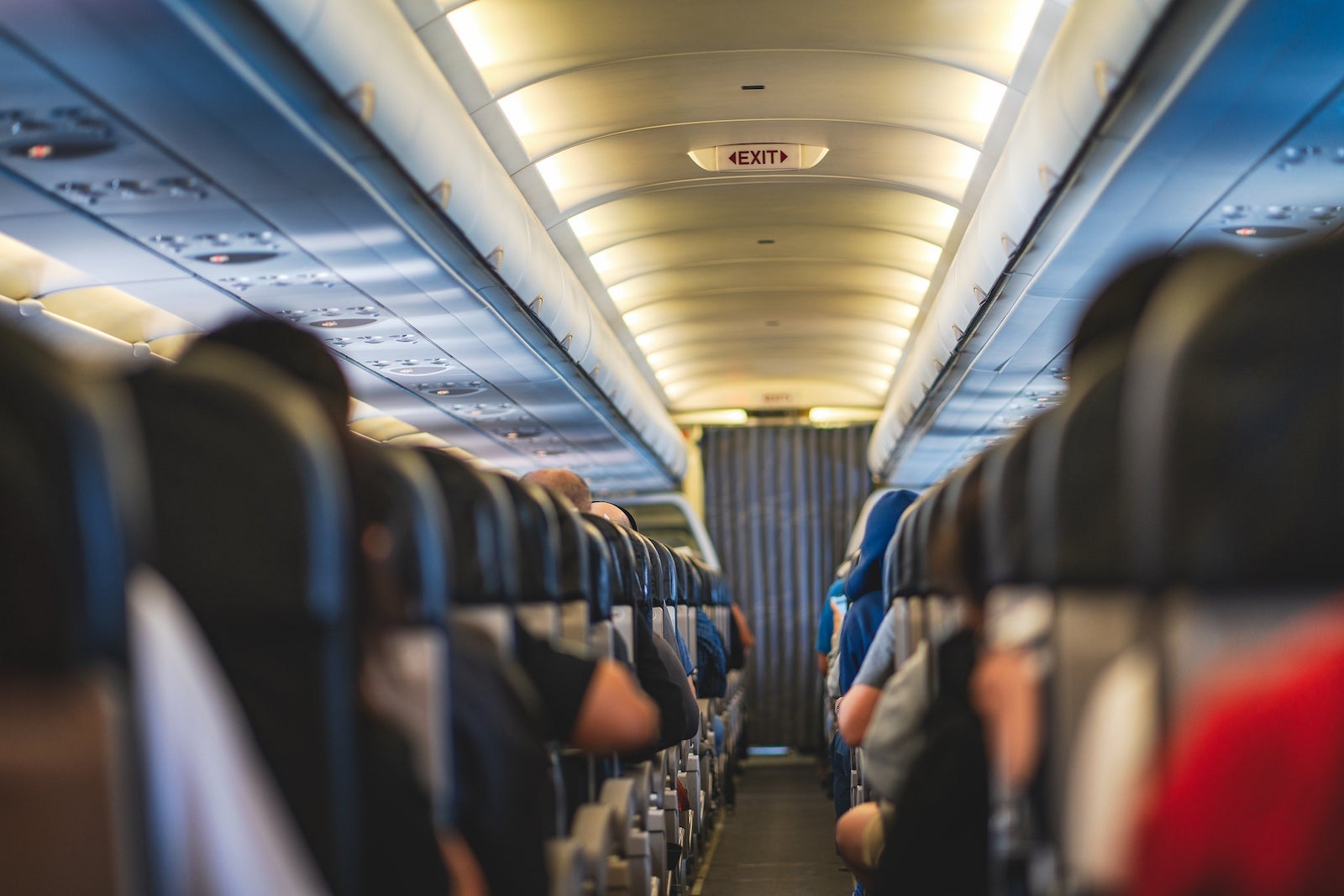
Editor's note: This post was updated with news.
Seven people were hospitalized after severe turbulence forced a Frankfurt-bound plane to make an emergency landing near Washington, D.C., last night.
Lufthansa Flight 469 took off from Austin normally, and flight attendants were serving meals when the plane encountered rough air.
Videos posted on social media show meal trays and food flung all over the plane's floor.
Passenger Jazz Kantipudi told NBC4 Washington that he witnessed a flight attendant get thrown to the ceiling of the jet. "He was literally standing up serving drinks, so he had no way to brace himself," Kantipudi said. "At one of the drops, he literally, completely, hit the ceiling and dropped down and was completely horizontal."
"Lufthansa Flight 469 diverted to Dulles International Aiport and landed without incident around 9:10 p.m. ... after the crew reported severe turbulence at 37,000 feet altitude over Tennessee," the Federal Aviation Administration said in a statement.
The FAA is investigating.
Severe turbulence that leads to injuries is rare, but this occurrence serves as a reminder that flight attendants and pilots are serious when they ask passengers to keep their seat belts on during the flight. It also may make travelers question how worried they should be about turbulence. The bumps, drops and shaking can put even the most seasoned travelers on the edge of their seats.
On an overnight American Airlines flight from Los Angeles International Airport (LAX) to Miami International Airport (MIA), a sense of panic took hold of me as turbulence shook the plane for the first three hours of the flight.

I knew before taking off that there were storms over much of the southern U.S. that were spawning tornadoes in Texas. So, when the flight quickly started getting bumpy, I immediately concluded it was related to the weather. (I also noticed the pilot was flying low enough that I could see the ground for the first few hours of the flight.)
The uneasy journey got me thinking more about turbulence and how passengers can figure out when it's normal — and when it's potentially something to be concerned about. So, I contacted a few aviation experts to get the lowdown. Here's what they said you need to know about turbulence during flights.
What is turbulence?
Justin Franco, a former American Airlines spokesperson and a self-proclaimed "weather nerd," says there are two types of turbulence: clear-air turbulence and convective turbulence.
"Clear-air turbulence is caused by the sudden formation of cumulus clouds, jet streams and other weather phenomena," Franco told TPG. "Convective turbulence is caused by stormy conditions on the ground or in the atmosphere."
"Convective turbulence can be far more severe than clear-air turbulence," Franco explained. "In fact, most incidents of severe air turbulence happen during storms or other severe weather events. The wind flow is not smooth like an airplane wing, so it rises and falls in waves. This causes the air pressure to rise and fall as well, causing sudden jolts of movement in the plane."
Should you worry about turbulence?
I'll admit, my blood pressure immediately rises every time I feel a jolt on a flight. However, Capt. Laura Einsetler, an aviation blogger and commercial airline pilot with 30-plus years of flying experience, reassured me the ups and downs that I feel in flight are nothing out of the ordinary.
"Turbulence is not something to be concerned about because the aircraft are built to withstand severe turbulence for long periods of time," Einsetler said. "This is why the wings flex so that they are dynamic structures. This is similar to earthquake-resistant buildings that sway to withstand the forces."
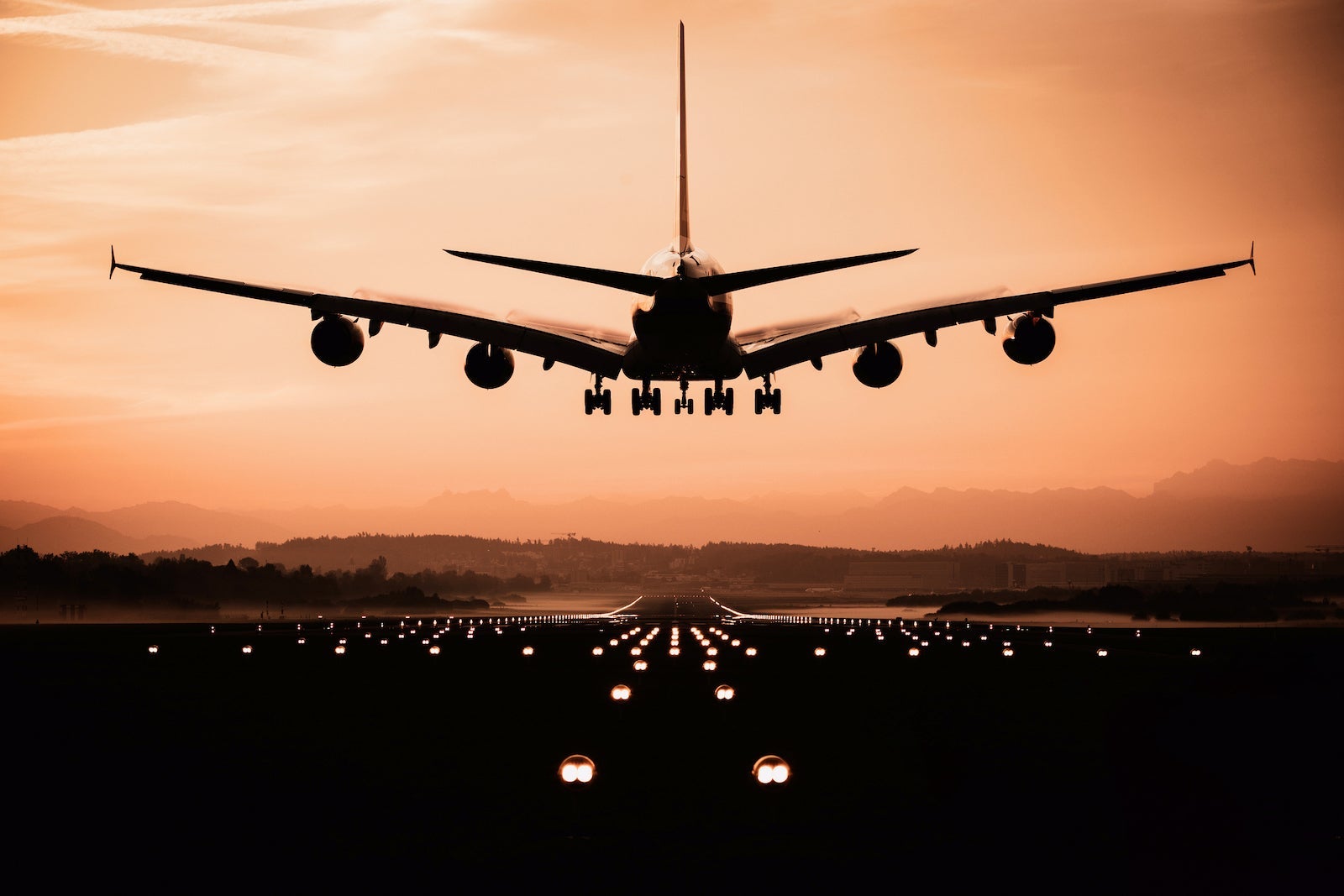
Patrick Smith, a pilot and writer of the Ask the Pilot blog, agreed.
"For all intents and purposes, a plane cannot be flipped upside down, thrown into a tailspin or otherwise flung from the sky by even the mightiest gust or air pocket. Conditions might be annoying and uncomfortable, but the plane is not going to crash," Smith said. "Turbulence is an aggravating nuisance for everybody, including the crew, but it's also, for lack of a better term, normal."
How do pilots handle turbulence?
Although turbulence may be common, pilots still try to minimize it when possible.
"We coordinate with our airline weather pros and dispatch in addition to using software and Doppler radar that shows us where the areas of turbulence are," Einsetler said. "We route either around or plan for lower or higher altitudes that are smoother."
Related: Can pilots predict turbulence?
To ease passengers' nerves and ensure safety, pilots will typically announce any expected bumps during the flight.
"[Ideally] pilots should give PA announcements every 15 to 20 minutes in anticipation of a turbulent area and also during," Einsetler said. "It is very important that when the seat belt announcement has been made, and the seat belt lights are on, that everyone stays in their seats with seat belts on and things secured."
Even if pilots don't announce the turbulence — which was the case during my overnight flight — there's usually little cause for concern.
"When it comes to communicating with passengers about turbulence, I personally [would] much rather have the captain of a flight be concentrating on the potential issue at hand," Franco said. "What I can tell you is that if you ever see a flight attendant dash down the aisle and return the beverage cart faster than you thought was ever possible, it typically means stay seated."
Related: How the weather affects your flight
How can you avoid turbulence when you fly?
If you're still worried about turbulence, Einsetler said there are a few things passengers can do to minimize the chance of encountering it during flights:
- Always take the earliest morning flights possible since the air is smoothest earlier in the day.
- Fly the largest jet possible so you'll feel fewer bumps while in the air.
- When possible, plan your trips for fall or spring when the weather conditions are consistently better.
- If you're traveling in winter, try to book flights with more southerly routings and connections to avoid ice and snowstorms. For summer travels, reserve flights with more northerly routings to decrease the likelihood of encountering afternoon thunderstorms.
- Keep an eye on the Weather Channel or the MyRadar app a day or two before your flight so you can anticipate any weather issues at your departure city or destination, at your connections or along your route.
Bottom line
It's not unusual to experience turbulence when you fly. While it can be unsettling in the moment, there's no need to panic over those bumps in the sky.
Take a deep breath and remember that what you feel is perfectly normal. Odds are the temporary discomfort will be over before you know it.
Additional reporting by Clint Henderson.
TPG featured card

at Capital One's secure site
Terms & restrictions apply. See rates & fees.
| 5X miles | Earn 5X miles on hotels, vacation rentals and rental cars booked through Capital One Travel |
| 2X miles | Earn unlimited 2X miles on every purchase, every day |
Pros
- Stellar welcome offer of 75,000 miles after spending $4,000 on purchases in the first three months from account opening. Plus, a $250 Capital One Travel credit to use in your first cardholder year upon account opening.
- You'll earn 2 miles per dollar on every purchase, which means you won't have to worry about memorizing bonus categories
- Rewards are versatile and can be redeemed for a statement credit or transferred to Capital One’s transfer partners
Cons
- Highest bonus-earning categories only on travel booked via Capital One Travel
- LIMITED-TIME OFFER: Enjoy $250 to use on Capital One Travel in your first cardholder year, plus earn 75,000 bonus miles once you spend $4,000 on purchases within the first 3 months from account opening - that’s equal to $1,000 in travel
- Earn unlimited 2X miles on every purchase, every day
- Earn 5X miles on hotels, vacation rentals and rental cars booked through Capital One Travel
- Miles won't expire for the life of the account and there's no limit to how many you can earn
- Receive up to a $120 credit for Global Entry or TSA PreCheck®
- Use your miles to get reimbursed for any travel purchase—or redeem by booking a trip through Capital One Travel
- Enjoy a $50 experience credit and other premium benefits with every hotel and vacation rental booked from the Lifestyle Collection
- Transfer your miles to your choice of 15+ travel loyalty programs
- Top rated mobile app