Pilot chat: What those complicated phrases really mean

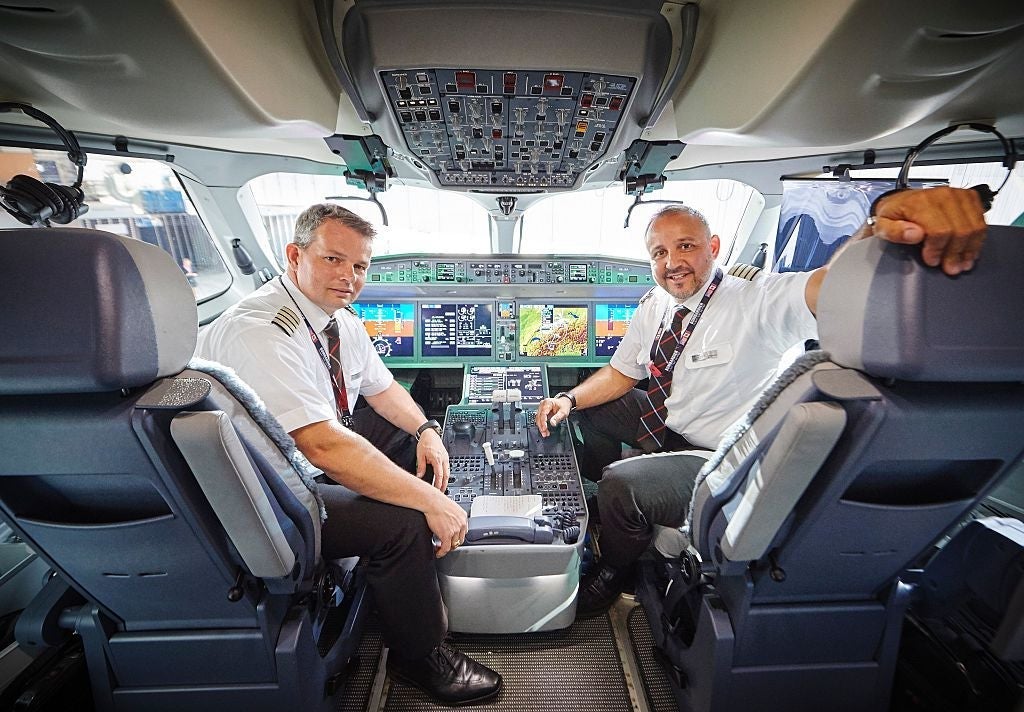
Aviation is full of jargon and has more acronyms than you could want to remember. As a result, pilots can be guilty of using complicated technical terminology — sometimes warranted, sometimes not.
Here's your low-down to some of the technical phrases you may hear pilots say and what they mean in plain English.
Cabin crew, doors to manual and cross-check
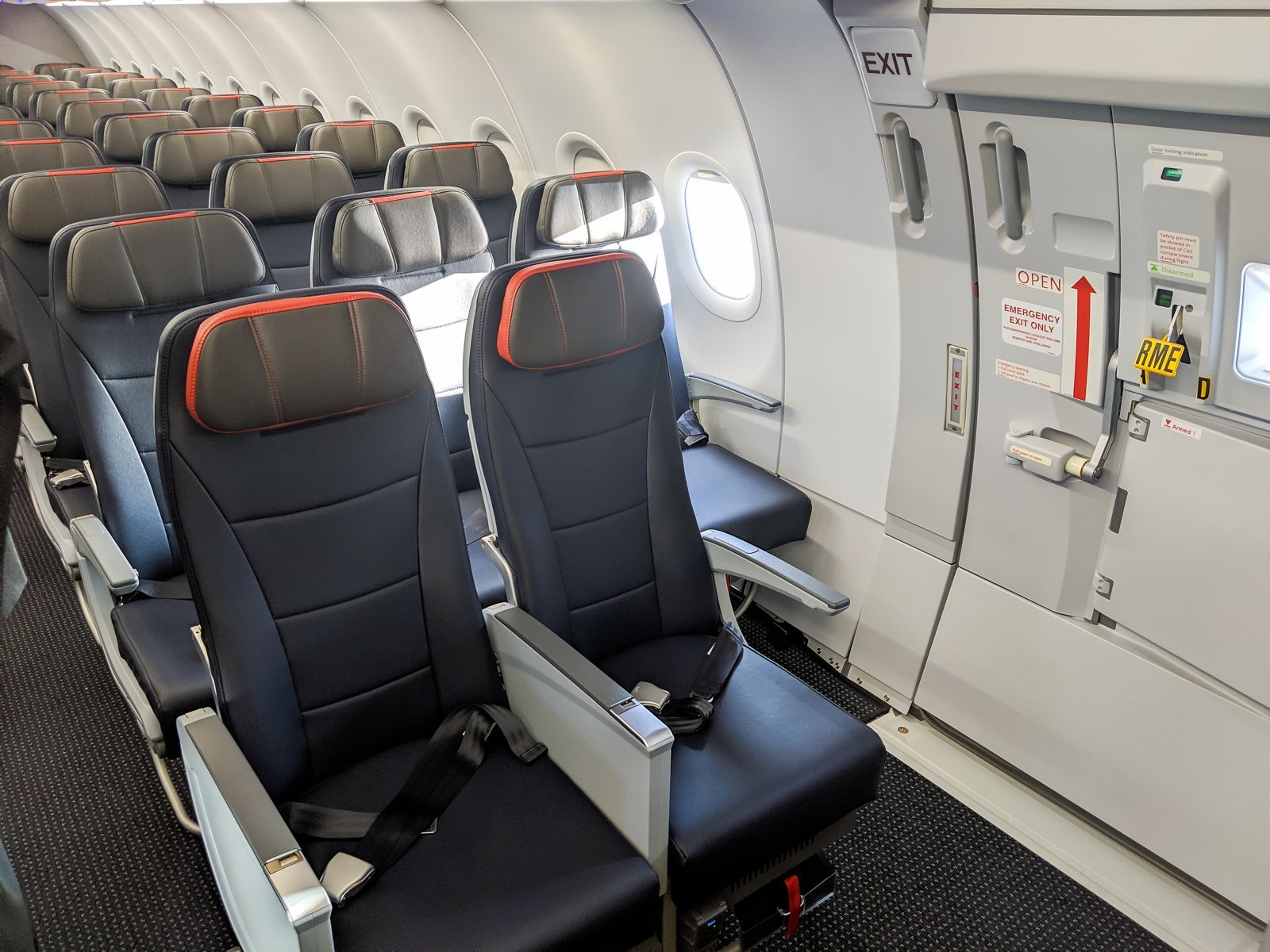
At the end of the flight, as you approach the gate, you'll hear one of the pilots say this phrase over the PA system. This is not an indication for passengers to get up from their seats, but a very important safety instruction to the cabin crew.
Whilst the doors are there to allow passengers to board and disembark via steps or a jetty, they are also there to allow rapid exit down evacuation slides in an emergency.
Tucked away in that lump on the inside of each door is the evacuation slide. On departure, the cabin crew will place the doors into automatic. By moving a lever on the door, the slide attaches to the bottom of the door frame. Should the door be opened when in automatic mode, the slide will be dragged from its stowage and will then inflate.
Understandably, when arriving at the gate on a normal flight, this slide deployment isn't particularly desirable. As a result, at an appropriate time, the pilots instruct the cabin crew to return the doors to manual mode. This detaches the slides from the door frame, allowing the door to be used for disembarkation.
The turbulence is caused by a jet stream
We all know what turbulence is, but what is this so-called jet stream causing it?
A jet stream is an area of locally focused fast-moving air which can often be in excess of 150 miles per hour. When flying in the core of the jet, where the winds are the fastest, flight conditions are often smooth. However, when flying in the area between the core and the normal air outside the jet, conditions can often be bumpy.
It's very much like watching a fast-moving river. In the centre, where the water is unobstructed, the water is fast and smooth. However, at the edges where the flow comes into contact with rocks and trees, the water is often rough and turbulent.

Jet streams are most commonly encountered when flying eastbound across the Atlantic when we try to take advantage of the fast-moving tailwinds.
We have entered a holding pattern
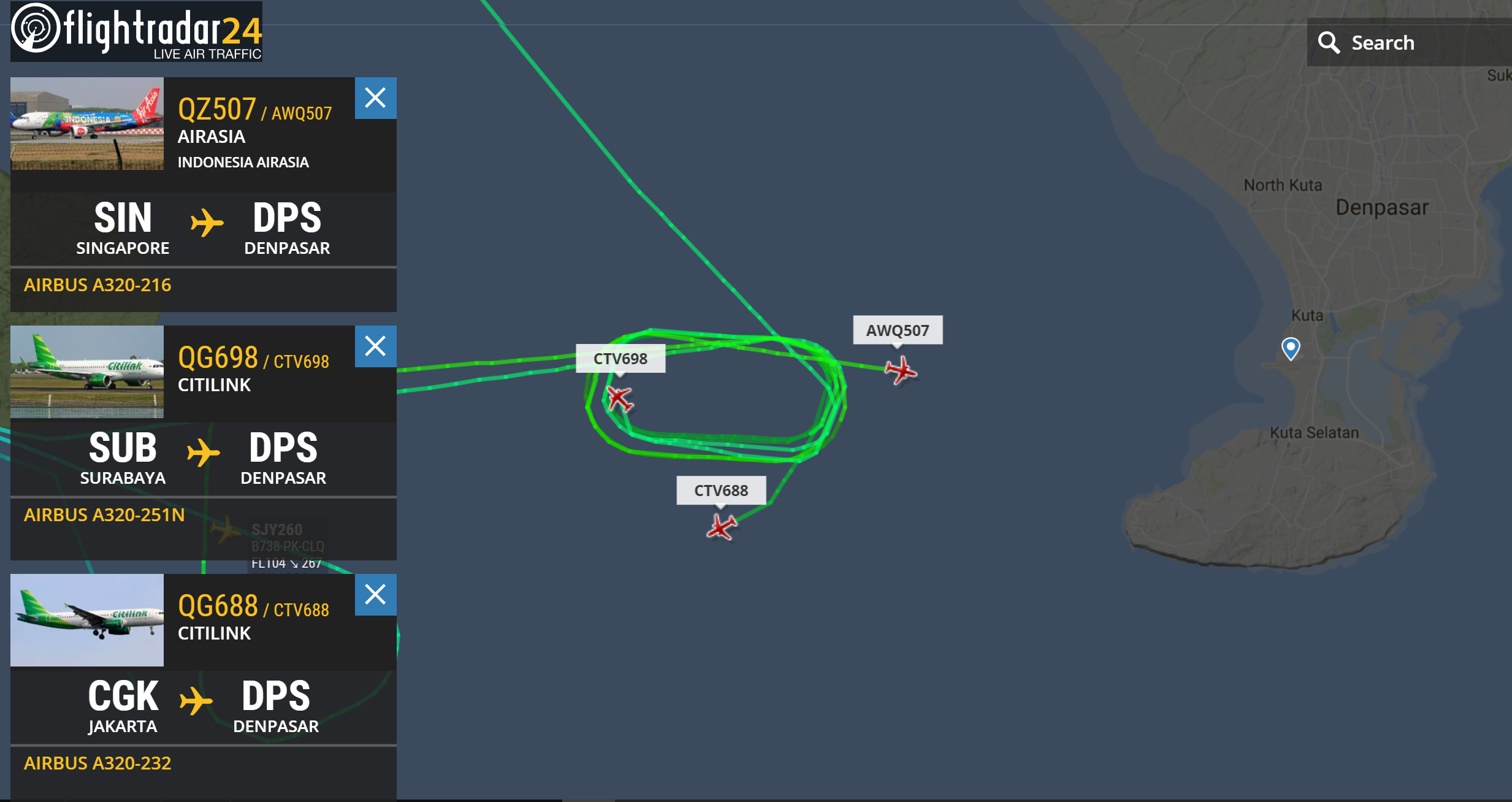
Unlike cars, when there's congestion ahead, aircraft can't just stop and wait. They always have to keep moving forwards. When approaching the destination airport, if there is a build-up of arriving aircraft, flights may have to wait their turn to land.
In order to reduce the workload for Air Traffic Control (ATC), airports publish holding patterns in which aircraft fly to await their turn to land. These are often referred to as 'stacks' as multiple aircraft can use the same pattern but are 'stacked' up above each other at 1,000-foot intervals.
As the aircraft progress in the queue, ATC clears them down in the stack before they are then directed from the bottom of the stack towards the landing runway.
Broken cloud at 2,000 feet
One of my personal pet-hates in pilot's announcements to passengers is the use of over technical terms, "broken cloud" being one of them.
In order to portray to pilots how much cloud there is at an airport, the cloud coverage is measured in Octas, or eighths of the sky. 1-2 Octas coverage is referred to as 'few clouds," 3-4 Octas is "scattered clouds," 5-7 Octas is "broken cloud" and 8 Octas is "overcast"
So, if your pilot refers to the clouds being broken, it means that it's more cloudy than not, but with some breaks between them. Just don't hate them too much for using one of the worst examples of pilot jargon.
I have control
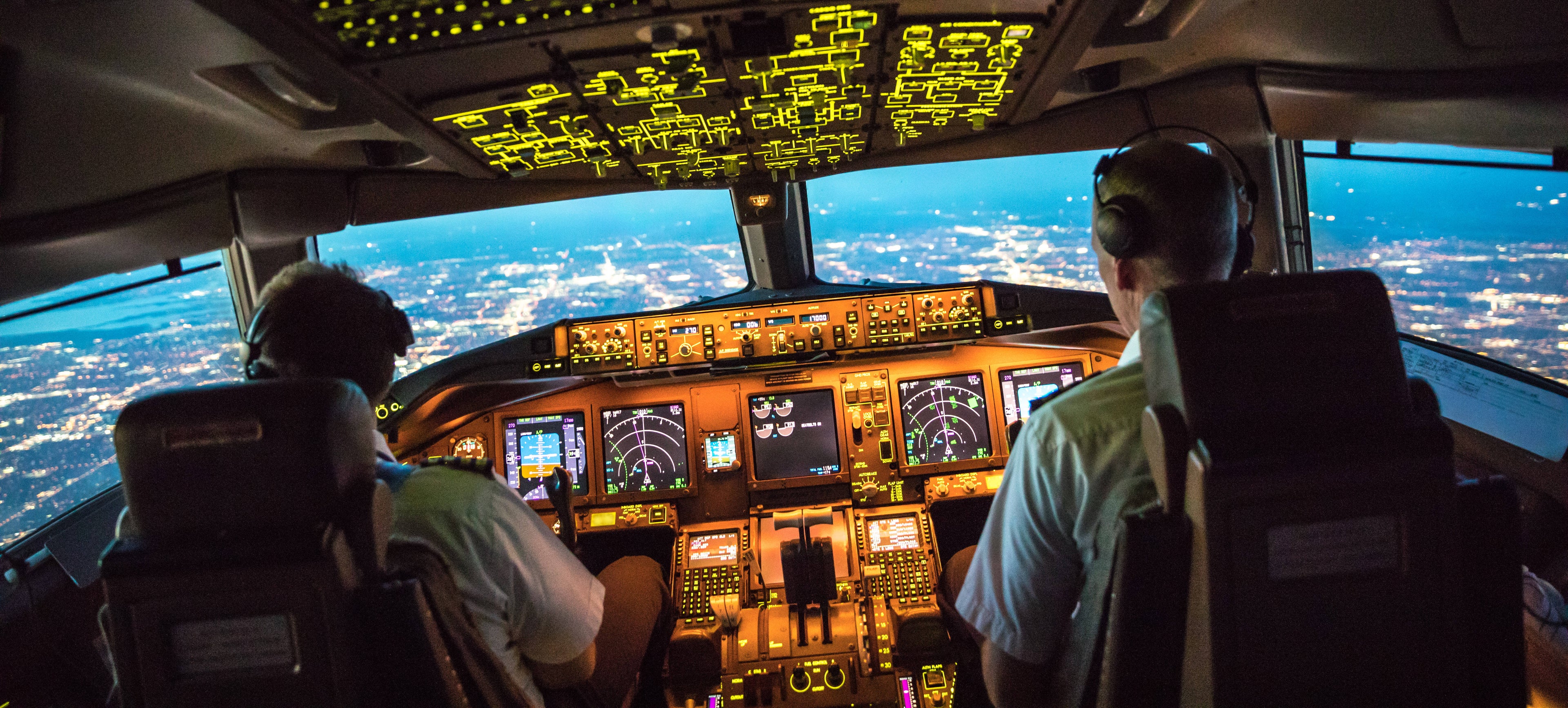
The flight deck of a modern airliner can be a very busy place. With two pilots always at the controls, duties are divided into Pilot Flying (PF) and Pilot Monitoring (PM). This enables one pilot to concentrate solely on the flight path of the aircraft whilst the other pilot then has the capacity to operate the radio, run checklists and liaise with cabin crew whilst still monitoring the actions of the PF.
Whenever there is a need for these duties to swap over, for example when one pilot needs the bathroom, it's important to know who is PF. In order to do this, when assuming the PF duties, pilots verbally confirm this acceptance by saying "I have control."
This may seem excessive in times of low workload in the cruise, but during an emergency situation, it's very different. When complex checklists are being completed, it's imperative that it is clear who exactly is responsible for maintaining the safe path of the aircraft.
V1, rotate
To the outside observer, a takeoff may appear to be a beautiful art form. However, to pilots, it's a calculated science. For every takeoff, pilots calculate the exact speed and which they will pull back on the controls, rotating the aircraft into the sky. This speed, known as VR, is dependent on factors such as aircraft weight, wind velocity, runway length and condition, airfield elevation and air temperature and pressure.
Whilst we always anticipate a normal takeoff, we also must plan for the event of something not going according to plan. Should the aircraft suffer an engine failure or other problem during the takeoff run, we need to know whether we should continue or abort. When moving at speeds of over 150 miles per hour, you have very little time to react. This way we have a decision speed: V1.
Calculated as part of the takeoff performance, should we decide to stop the takeoff before reaching the V1 speed, there will be enough runway remaining on which to stop safely. Once beyond this speed, it is safer to take the problem into the air and then deal with it accordingly. On a twin-engine aircraft, even in the case of an engine failure or fire, the aircraft can still climb safely away from the ground on the power of the remaining engine.
During the takeoff roll, the pilot monitoring the displays (PM) will call out the two important speeds: V1 and rotate. This indicates to the pilot flying the aircraft (PF) when they are beyond the safe stopping speed and when to rotate the aircraft into the air.
Positive rate, gear up
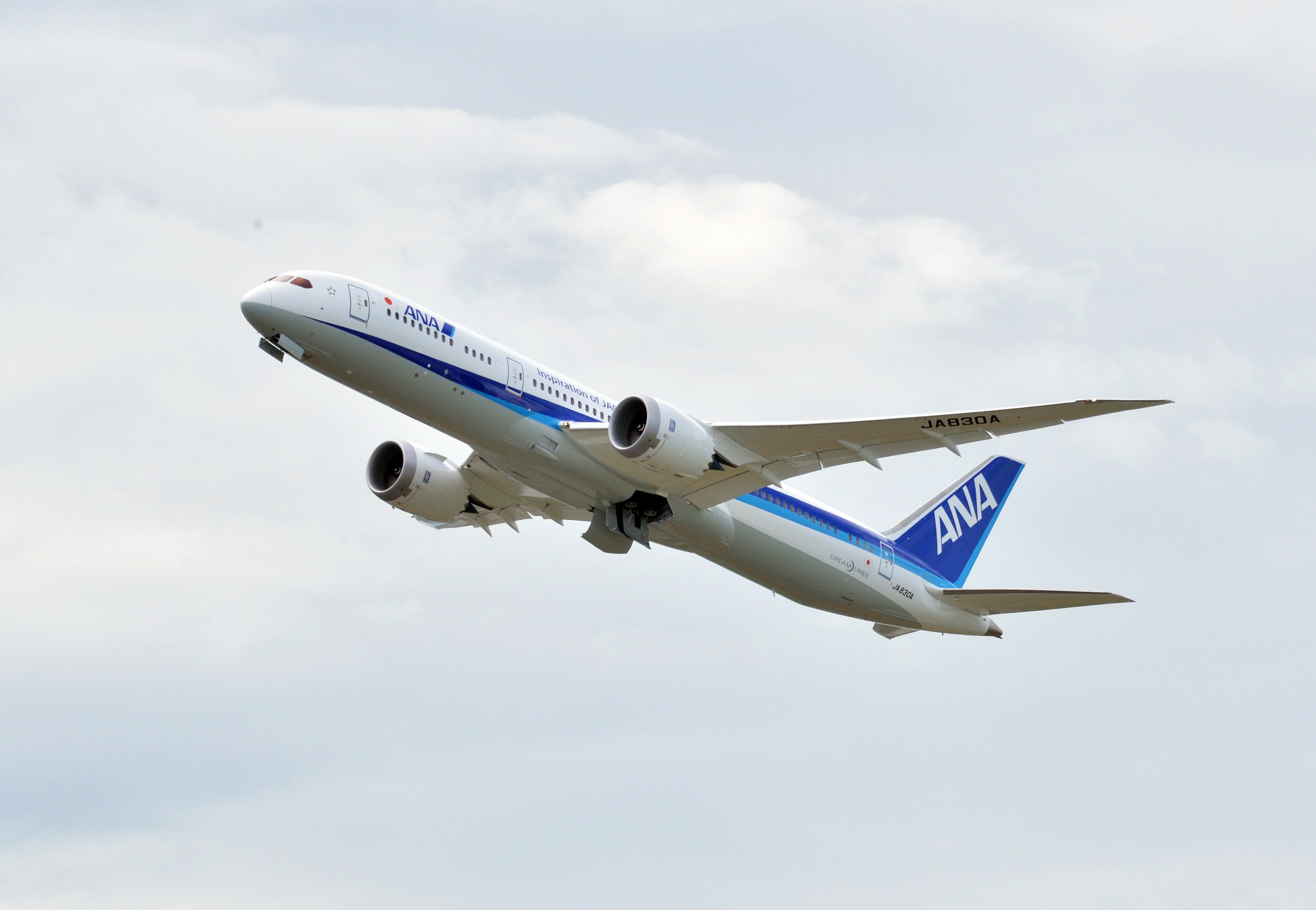
Not long after the call of "rotate" comes the call of "positive rate, gear up." (For you super AvGeeks, this is the Boeing terminology. Airbus use "positive climb, gear up.")
The call of "positive rate" (or climb) is made by the PM as an indication that the aircraft is safely climbing away from the ground. This is confirmed by checking that the altimeter indication is increasing. At this point, it is safe to retract the landing gear.
On hearing the call of "positive rate" the PF then says "gear up," the cue for the PM to move the landing gear lever to the UP position.
Searching for a passenger's bag
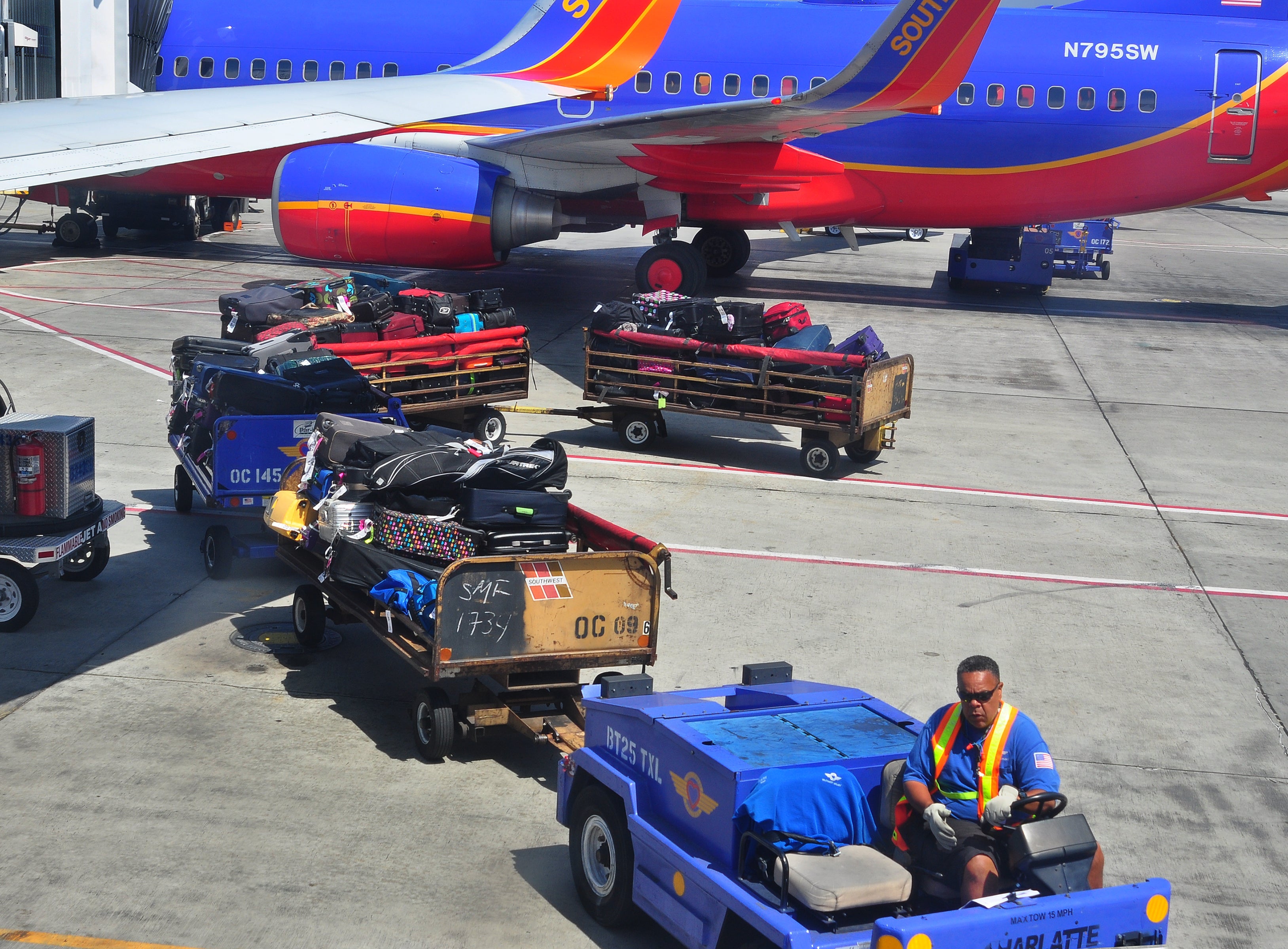
One of the biggest causes of flight delays is passengers not arriving at the gate on time. If a passenger fails to arrive at the gate on time, the pilots and ground crew may decide to offload the passenger.
If they only have hand luggage, this is a 10-second job on the computer. However, if they have checked baggage, it creates a problem. Due to security concerns, a flight is normally not allowed to depart with the offloaded passenger's baggage still on board. As a result, the ground staff must remove the bag which can be a time-consuming process.
On larger aircraft, such as the 787 Dreamliner, bags are scanned as they are loaded into specialized containers. These containers are then loaded into the aircraft holds. If the ground staff need to find a particular bag, they know exactly in which container the bag has been loaded. This saves the staff from searching through hundreds of bags, minimizing the delay to the flight.
Waiting for a tug to pushback
Most parking stands at large airports face the terminal building. This makes it easier to attach the airbridge to the side of the aircraft and then carry out all the procedures which need to be done to prepare the aircraft for its next flight.
However, commercial aircraft are unable to reverse, so they require the assistance of a tug or tractor to push back from the gate. The tug either attaches to the nose wheel using a tow bar or clamps onto the nosewheel and lifts the front of the aircraft off the ground.
The APU isn't working
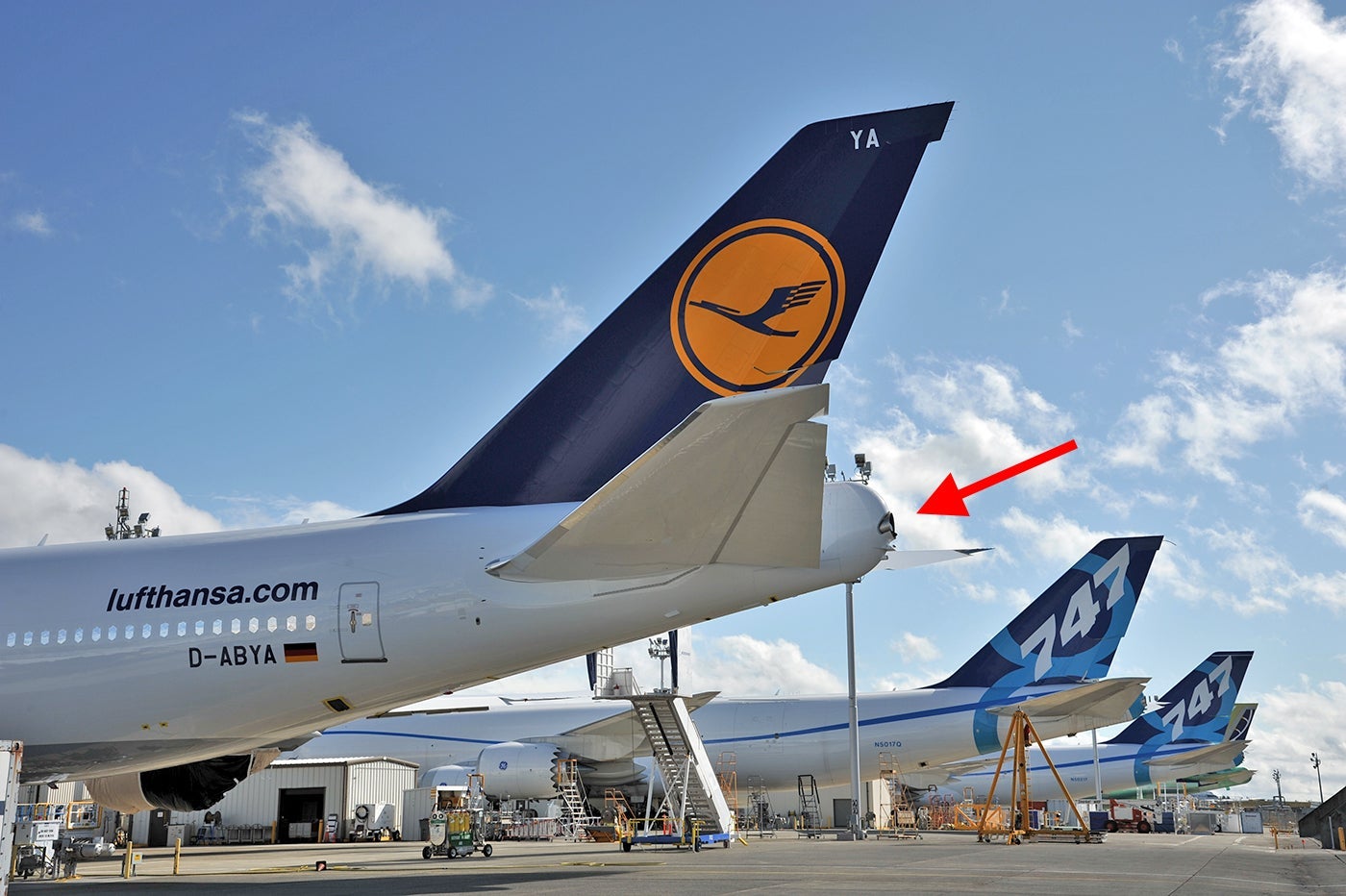
Hidden away in the tail of most airliners is a small engine called the Auxiliary Power Unit, or the APU. The APU provides the aircraft with electrical power and also air to cool the cabin when it is on the ground with the engines shut down. However, whilst the APU is a useful part of the aircraft, it is not necessarily needed for flight.
In order to reduce delays and cancellations, all aircraft are allowed to safely depart with certain systems not working, as outlined by the manufacturer in a special manual known as the Minimum Equipment List. The APU is one of these items, so whilst it does not compromise the safety of the flight, it can mean that there is no air conditioning until the engines have been started.
Completing the last of the paperwork
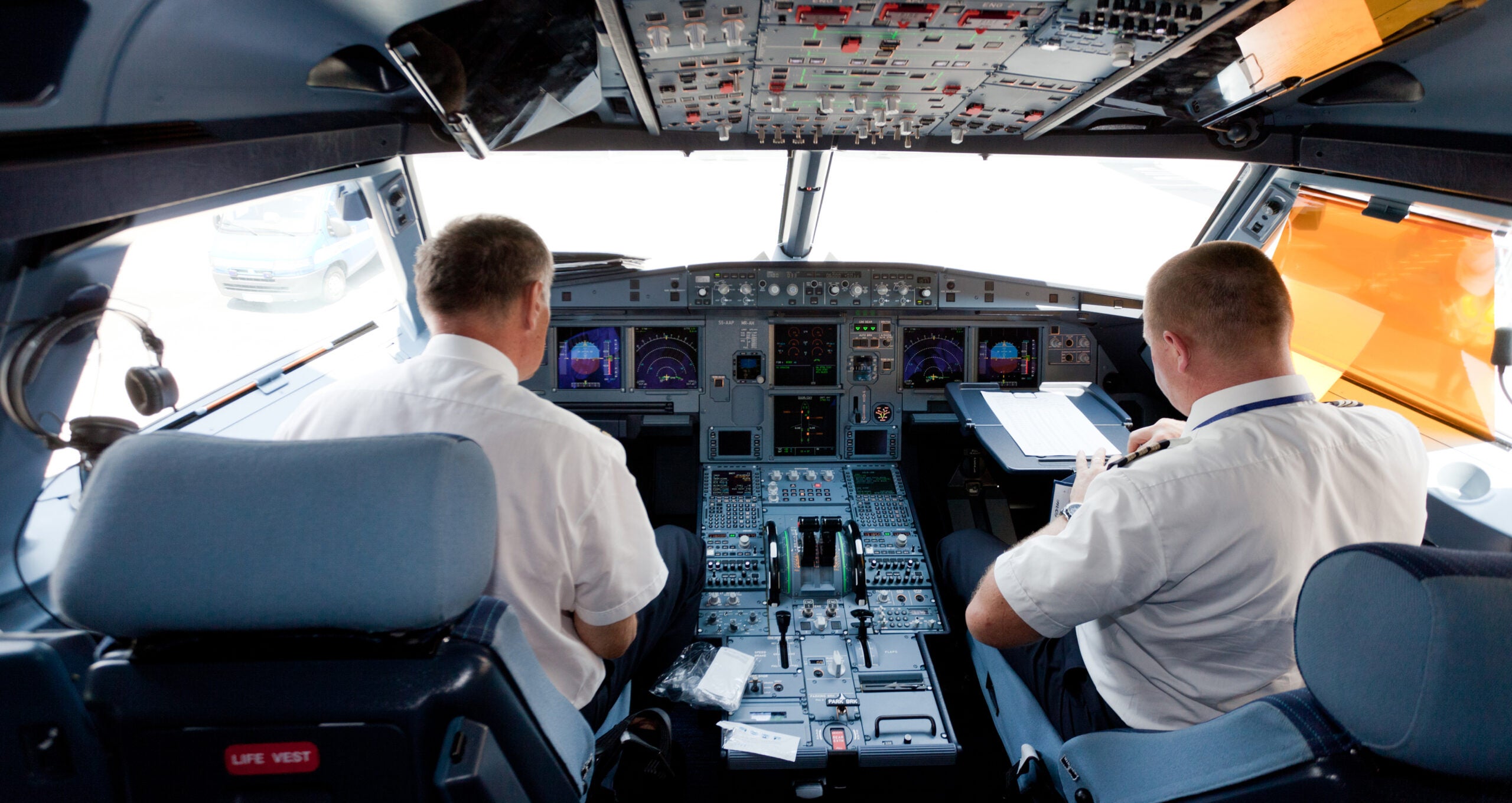
As much as airlines are trying to reduce paper usage in day to day operations, some requirements still remain. For every flight, the pilots are issued with a loadsheet and a NOTOC (Notice To Captain).
Complied by a specialist department with the airline, the loadsheet tells the pilots the weight and balance information of their aircraft. From this, they can tell how many passengers and bags are on board, how much cargo and how much fuel has been loaded. They can then accurately calculate their speeds and engine power required for takeoff.
The NOTOC informs the crew of any special cargo that is be being carried on board. This could be from something as benign as fruits and vegetables, to items classified as dangerous goods such as batteries and explosive gases. This confirms to the crew that the cargo is being carried safely and enables them to respond in the correct manner should any problems arise.
Before the aircraft departs, the Captain must sign a copy of the loadsheet and NOTOC and hand it to the ground staff. This is to ensure a physical copy of the paperwork remains safe on the ground should anything happen to the aircraft.
Takeoff slot
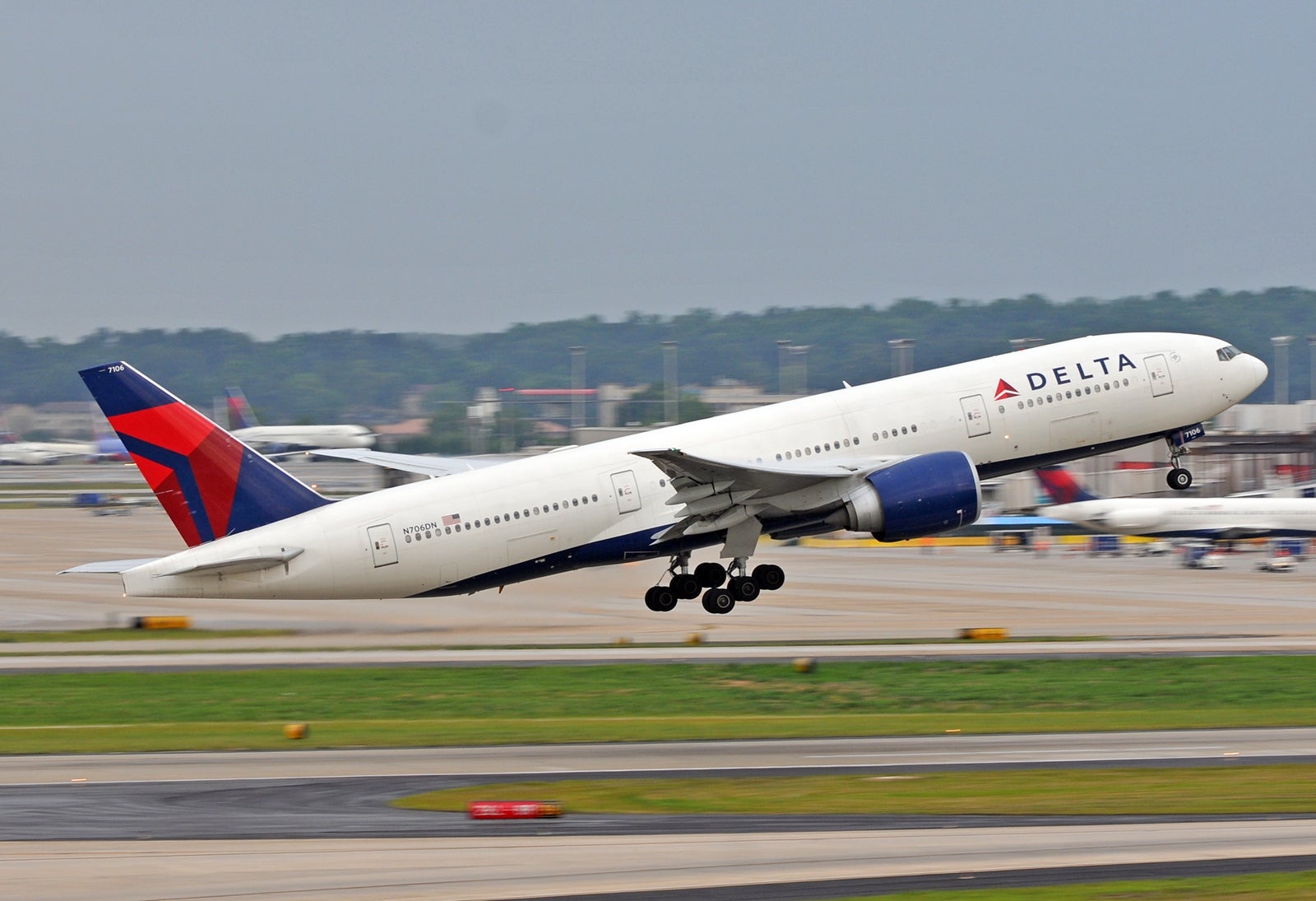
When there is increased demand on ATC, they may issue flights with a Calculated Takeoff Time (CTOT) or slot. This is the time before which the flight is not allowed to get airborne.
If bad weather is forecast at the destination airport, it is likely that flights will have to wait in the sky before their turn to land. This increases the workload on ATC and results in aircraft using more fuel. If the delays become too great, flights may have to divert to another airport.
Rather than all flights arriving at the same time, it is better for an aircraft to wait on the ground until a time at which ATC can safely accept it into the traffic flow. Once airborne in accordance with their slot, the pilots know that their delay at the destination will be much less, greatly reducing the necessity of a diversion.
Bottom line
Flying an aircraft is a technical job and as a result, there tends to be a lot of technical phrases. However, a lot of these phrases should be used in certain places (the flight deck) and not in others (the public announcement).
So, the next time you hear a pilot using an over-technical phrase, this guide should give you a better idea of what's going on. We sometimes just find it difficult to break away from the world of jargon we use in "the office."
TPG featured card

at Capital One's secure site
Terms & restrictions apply. See rates & fees.
| 5X miles | Earn 5X miles on hotels, vacation rentals and rental cars booked through Capital One Travel |
| 2X miles | Earn unlimited 2X miles on every purchase, every day |
Pros
- Stellar welcome offer of 75,000 miles after spending $4,000 on purchases in the first three months from account opening. Plus, a $250 Capital One Travel credit to use in your first cardholder year upon account opening.
- You'll earn 2 miles per dollar on every purchase, which means you won't have to worry about memorizing bonus categories
- Rewards are versatile and can be redeemed for a statement credit or transferred to Capital One’s transfer partners
Cons
- Highest bonus-earning categories only on travel booked via Capital One Travel
- LIMITED-TIME OFFER: Enjoy $250 to use on Capital One Travel in your first cardholder year, plus earn 75,000 bonus miles once you spend $4,000 on purchases within the first 3 months from account opening - that’s equal to $1,000 in travel
- Earn unlimited 2X miles on every purchase, every day
- Earn 5X miles on hotels, vacation rentals and rental cars booked through Capital One Travel
- Miles won't expire for the life of the account and there's no limit to how many you can earn
- Receive up to a $120 credit for Global Entry or TSA PreCheck®
- Use your miles to get reimbursed for any travel purchase—or redeem by booking a trip through Capital One Travel
- Enjoy a $50 experience credit and other premium benefits with every hotel and vacation rental booked from the Lifestyle Collection
- Transfer your miles to your choice of 15+ travel loyalty programs
- Top rated mobile app