How to Ride out an Earthquake at an Airport

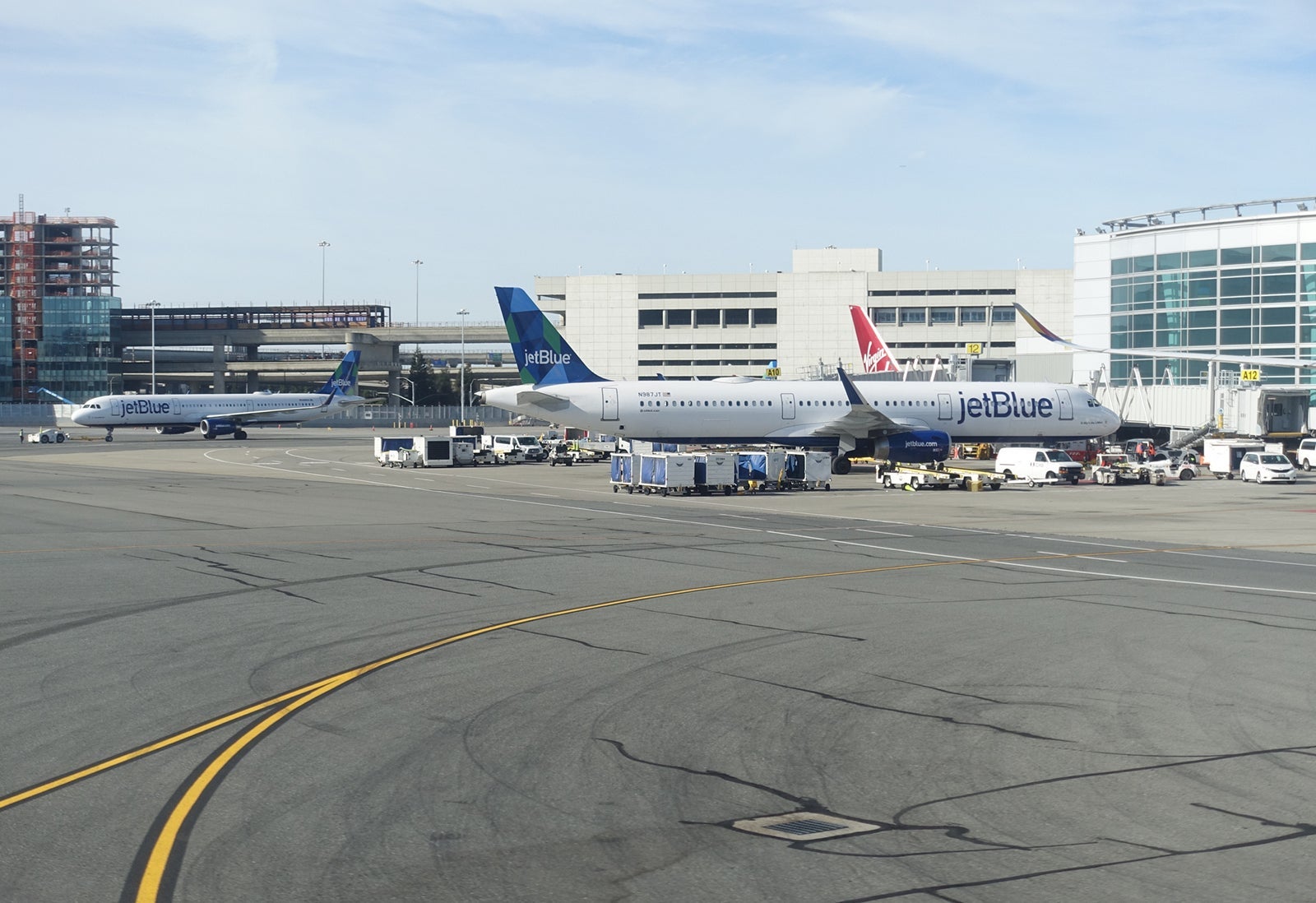
A series of earthquakes and aftershocks hit the American West during the July Fourth weekend. Earthquakes have no effect on planes in flight of course, but ground transportation and infrastructure is much more susceptible to damage, which can ultimately mean delays or cancelations for flyers, too.
Travelers who plan to visit earthquake-prone areas don't need to be too alarmed, but should keep some simple safety precautions in mind so they're not caught off-guard if the ground starts shaking.
"The best thing you can do is drop, cover and hold on," said Jason Ballmann, spokesman for the Southern California Earthquake Center. Whether you're in an airport or anywhere else on your travels, it's important to get down on the ground, and at least cover your head and neck to protect those vulnerable parts of your body from potential debris.
Related: The 7 Best Starter Credit Cards
Ballmann also said if you happen to be on an airplane on the ground when an earthquake hits, you can assume the same brace position you would for an emergency landing.
San Francisco International Airport spokesman Doug Yakel said that planes, even on the ground, are a pretty safe place to be during an earthquake.
"One of the concerns when you're outside of a building is glass or sections of a building or trees coming down, and that's not something we have out on the runway," he said. "There's obviously not a lot of tall things around runways by design."
Ballmann added it never hurts to come over-prepared to an earthquake zone.
"It's OK to pack some extra first aid supplies into your suitcase," he said. "This is the kind of stuff that can really make or break your trip in a different way."

Airports like SFO put significant effort and planning into making sure they're ready for earthquakes, too.
Yakel said the airport has procedures in place to recover operations as quickly and safely as possible after one hits.
"We have a department that's called airfield operations. It's a group of individuals whose job is basically to make sure all the surfaces that aircraft would operate on are safe and functional," Yakel said.
After an earthquake stops, members of the airfield operations team drive the length of every runway and taxiway to look for imperfections like cracks in the pavement or debris that could pose a danger to aircraft. Such inspections happen multiple times a day anyway, but Yakel said completing them is a top priority after an earthquake, because doing so ensures the airport is structurally able to handle aircraft movements.
SFO also has the ability to send FEMA-style emergency alerts directly to passenger's cell phones on the property.
"I would picture us using that capability in the event of an earthquake to give guidance to people so if we were getting information that a particular location or area had sustained damage during an earthquake" we could send information to passengers to stay away from that area, Yakel said.
He also noted that SFO is constructed and renovated with earthquakes in mind. Structures like the airport's International Terminal and control tower were built with design features like base isolation and vertical post tensioning, which are meant to help them withstand major earthquakes. Base-isolation allows buildings to move independently of the ground beneath them, so they wind up staying more still in earthquakes than buildings with traditional foundations. Post tensioning systems help structures remain vertical during earthquakes.
For passengers, that all means that, so long as they find cover quickly, they should remain fairly safe if they're preparing to fly when an earthquake hits.
TPG featured card

at Capital One's secure site
Terms & restrictions apply. See rates & fees.
| 5X miles | Earn 5X miles on hotels, vacation rentals and rental cars booked through Capital One Travel |
| 2X miles | Earn unlimited 2X miles on every purchase, every day |
Pros
- Stellar welcome offer of 75,000 miles after spending $4,000 on purchases in the first three months from account opening. Plus, a $250 Capital One Travel credit to use in your first cardholder year upon account opening.
- You'll earn 2 miles per dollar on every purchase, which means you won't have to worry about memorizing bonus categories
- Rewards are versatile and can be redeemed for a statement credit or transferred to Capital One’s transfer partners
Cons
- Highest bonus-earning categories only on travel booked via Capital One Travel
- LIMITED-TIME OFFER: Enjoy $250 to use on Capital One Travel in your first cardholder year, plus earn 75,000 bonus miles once you spend $4,000 on purchases within the first 3 months from account opening - that’s equal to $1,000 in travel
- Earn unlimited 2X miles on every purchase, every day
- Earn 5X miles on hotels, vacation rentals and rental cars booked through Capital One Travel
- Miles won't expire for the life of the account and there's no limit to how many you can earn
- Receive up to a $120 credit for Global Entry or TSA PreCheck®
- Use your miles to get reimbursed for any travel purchase—or redeem by booking a trip through Capital One Travel
- Enjoy a $50 experience credit and other premium benefits with every hotel and vacation rental booked from the Lifestyle Collection
- Transfer your miles to your choice of 15+ travel loyalty programs
- Top rated mobile app