Unruly skies: How pilots handle disruptive passengers

Last week, TPG Senior Aviation Business Reporter David Slotnick wrote about how the FAA has cracked down on disruptive passengers by fining an individual $52,500 for their behavior onboard a Delta flight from Honolulu to Seattle. According to the FAA, the passenger ignored the instructions of the cabin crew, punched one of them in the face and even tried to gain access to the flight deck.
The crew were eventually able to restrain the passenger, but he got free from the restraining cuffs and hit the same crew member again. When the flight finally landed, the offending individual was arrested.
This is not just a problem in the U.S. In the U.K., disruptive behavior on flights was becoming more of an issue in recent years. As a result, airlines and airports have begun to take a more hardline approach to those who disregard the rules and endanger the safety of those around them.
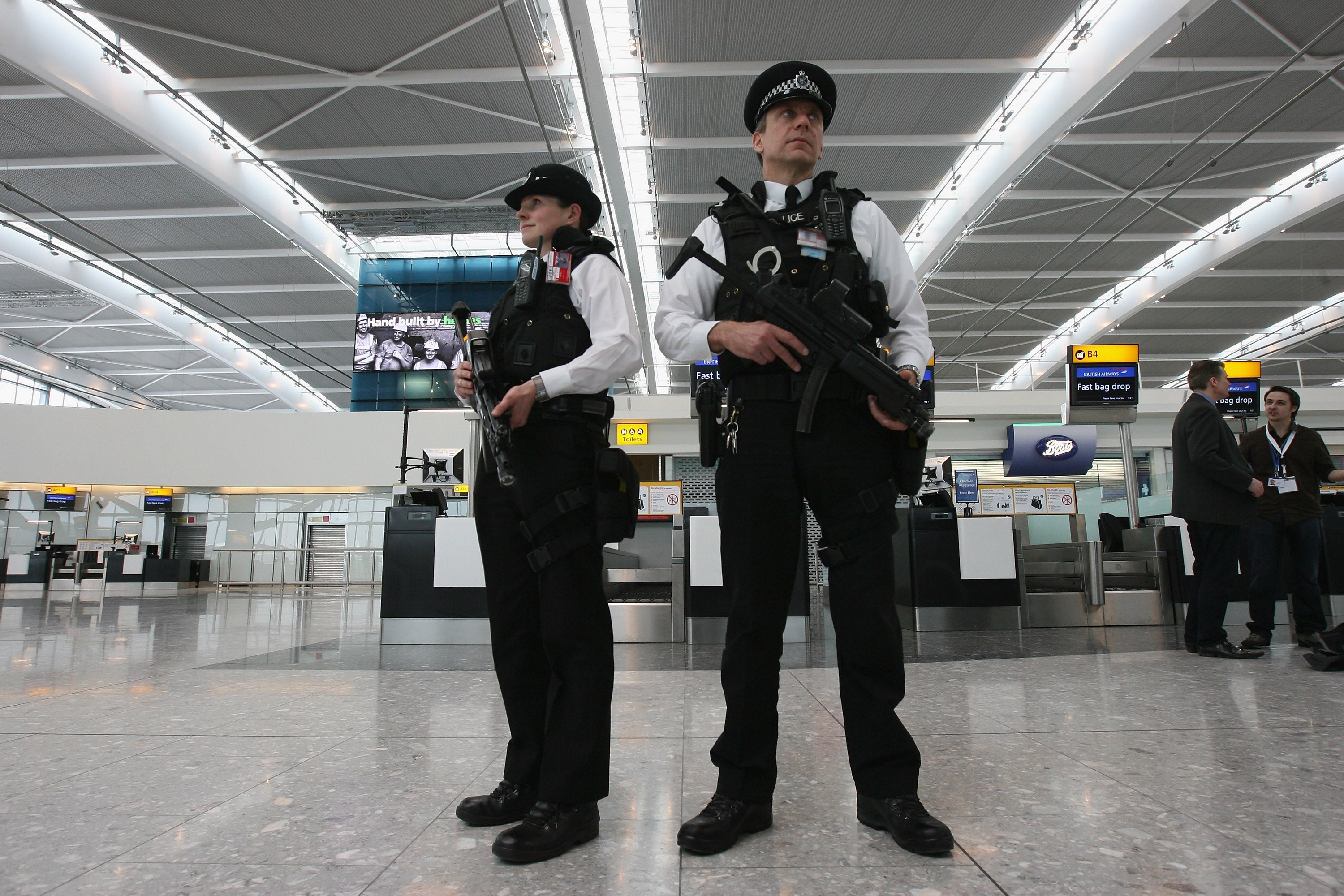
In April 2019, a man was jailed for seven months for his behavior on an EasyJet aircraft before it had even left the gate. After drinking four pints of beer in the terminal, he was asked by the crew on board the aircraft to stop smoking an e-cigarette, as per the airline's rules. The passenger objected, became aggressive, used homophobic language towards the crew and punch one of them in the face. When another member of staff tried to calm the situation, the passenger also punched them in the face.
It doesn't take a genius to realize that behavior like this is unacceptable anywhere. However, behavior like this when in a sealed metal tube seven miles above the ground is especially dangerous. The captain is the legal commander of the aircraft and they have the legal responsibility for the safety of not only all those on board but for the aircraft itself. Should things get so bad, we may have to divert the aircraft and offload the disruptive passenger.
Unfortunately, dealing with passengers like this is something that we increasingly have to do. According to the CAA, in 2018, there were 370 reports of disruptive passengers onboard U.K.-registered aircraft, with alcohol playing a significant role in a great number of these incidents.
The captain is in charge
Everyone knows that the captain is in charge of the aircraft, but how far does that power extend and what are their specific responsibilities? They are more wide-ranging than you may think. To find the answers, we must delve into the depths of the dauntingly named Air Navigation Order, or ANO.
The ANO forms the legal basis of all things aviation in the U.K. This includes rules on aircraft, crew, passengers, cargo, air traffic services and aerodromes. It also clearly states the responsibilities of the captain of the aircraft.
The most comprehensive clause when it comes to the duties of the commander states that they are responsible, "For ensuring the safety of all crew members, passengers and cargo on board." This is a deliberately broad statement that gives the commander the remit to do whatever they deem necessary to fulfill that duty. This includes the behavior of passengers on the aircraft.

In addition, before departure, they must ensure that passengers are briefed on the safety and emergency procedures of the aircraft and how to use the life jackets. They must also ensure that all baggage is safely stowed and that passengers are briefed on how to use the emergency oxygen equipment in the event of a decompression.
However, on a commercial airliner, the idea of the captain coming out and doing all these jobs seems quite ridiculous. What happens in practice is that the captain delegates these jobs to the cabin crew who then confirm back to the captain that these jobs have been done. This is the same for all instructions issued by the cabin crew to passengers — they are issued on behalf of the captain. The ANO also details how passengers must behave on an aircraft.
It states that a person must not act in a manner that may endanger an aircraft or any person in an aircraft. It continues to state that a person must not enter an aircraft when drunk, or be drunk in any aircraft and that a person must not smoke in any compartment when smoking is prohibited.
In order to allow the commander to enforce all these rules, the ANO states that: "Every person in an aircraft must obey all lawful commands which the pilot in command (the captain) of that aircraft may give for the purpose of securing the safety of the aircraft and of persons... carried in the aircraft." A fairly clear and unambiguous statement.
Conditions of Carriage
Have you ever noticed that when booking a flight, most airline websites will say something along the lines of "by purchasing this ticket, you agree to our conditions of carriage"? If so, have you ever actually read those? My guess is probably not. Before you get worried, they are no cause for concern, it's just "the legal bit."
When buying a ticket with an airline, you enter into a contract. It is this contract that gives you the protection from cancellations and compensation for delays and other agreements, so it has benefits for the passenger. However, contracts work two ways and these Conditions of Carriage will also detail what the airline can expect from you, particularly in terms of your behavior.
A quick look at the TUI Conditions of Carriage reveals that it takes the behavior, or more to the point, misbehavior, of passengers extremely seriously. Under Article 11, it states "If, whilst onboard the aircraft, and in our exclusive opinion, you have" and then lists a number of actions, including:
- Putting the aircraft, or any person in it, in danger;
- Deliberately interfering with the crew in carrying out their duties;
- Failing to obey the crew in relation to safety or security, or measure relating to the spread of infectious disease;
- Fail to obey the seat belt or no smoking signs;
- Allowing your physical or mental state to become affected by drink or other substances;
- Threaten, abuse or insult other passengers or the crew; and
- Commit an offense under U.K. Aviation Law.

It then continues to state that it shall take any measures which it considers reasonable to prevent you from continuing your behavior or actions, which shall include the following non-exhaustive list:
- Your involuntary constraint;
- Refusing you onward travel;
- Issuing you with a ban from the airline for a limited period, or life; and
- Reporting the incident to the police on arrival which may lead to your prosecution.
Finally, it states: "If, as a direct result of your misconduct, the decision is made by the aircraft commander to divert the aircraft to an unscheduled destination with the intention of offloading you or your baggage, you will be liable for any and all costs incurred by us as a direct result of carrying out such unscheduled landing."
Now, most people would consider these conditions as overkill as most passengers conduct themselves in a manner in which you'd expect from a civilized society. However, by detailing these conditions, it makes the life of the crew onboard a little easier, knowing that every passenger that we carry has agreed to abide by these conditions.
One of the main reasons for aircraft diversions
According to the CAA, disruptive behavior by passengers is one of the main reasons for a captain to decide to divert the aircraft. Not only can it affect the safety of the passengers, but it can also affect the safety of the aircraft itself. The punishment for disruptive behavior depends on the severity of the action.
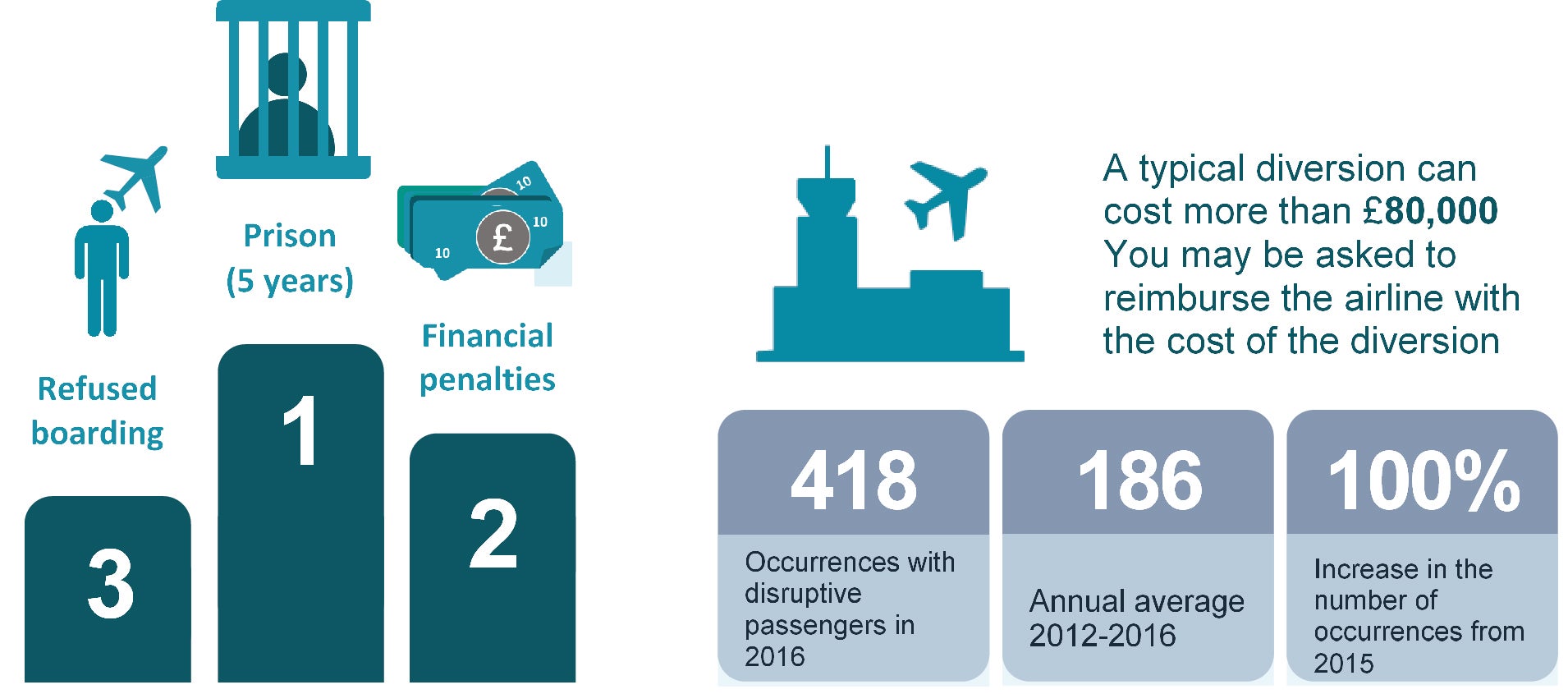
Passengers who get drunk on an aircraft can expect a fine of up to £5,000 and two years in prison. The prison sentence for endangering an aircraft is up to five years. In addition, as mentioned in the TUI Conditions of Carriage above, the airline may require the disruptive passenger to cover the costs of a diversion — this could be up to £80,000.
What's happening in the flight deck?
The ultimate responsibility of the pilots is to fly the aircraft safely so it is highly unlikely that the pilots will become involved with a disruptive passenger situation in flight. On the ground, however, it might be slightly different. The use of tact and diplomacy is often the best way to deal with a situation. We all know that the airport experience can be a stressful one and passengers can arrive at the aircraft a little ruffled. An early start to the day, missed breakfast and then a sudden change of seat can be enough to set even the calmest of people off.
In these situations, speaking with them respectfully and trying to understand their frustrations can often be the best way to play the situation. Empathizing with their position and trying to help can often be enough to diffuse an escalating scenario. Most of the time, we will let the cabin crew do this as they tend to have more experience in dealing with these situations. However, if the scenario worsens, or the passenger refuses to listen to the crew, sometimes a direct word from someone in stripes and a hat can make all the difference.
However, once in the air, pilots will not get involved with disruptive passengers. Our priority is to fly the aircraft safely and, after all, the situation could be a ruse to gain access to the flight deck. In these situations, cabin crew are trained to deal with the passenger, depending on how disruptive they are being. Each airline will have its own set of procedures on how the crew deal with the situation and the level of action they can take.
If a passenger refuses to listen to the crew, they can issue the passenger with a letter from the captain, informing them of the implications of their behavior, as stated in the Conditions of Carriage. If the passenger becomes aggressive or violent, the captain may then authorize the crew to use a restraint device to prevent the passenger from causing damage to the crew, other passengers or the aircraft itself.
If the situation becomes so bad, the captain may decide that the best course of action is to divert the aircraft and offload the disruptive passenger. Understandably, this is the last resort and is not a decision taken lightly. However, the captain has a responsibility to look after all the other passengers on the aircraft as well. If one passenger is causing grief and despair to others on board, diverting the aircraft may well be the best option.
Diversion or not, if a passenger has been restrained, the pilots will request that the local police meet the aircraft on arrival and the offending passenger will be handed over and arrested.
Bottom Line
Cabin crew are there for the safety and service of passengers on board the aircraft, they are not there to act as nightclub bouncers. Behavior like this has no place on board an aircraft and authorities are now, quite rightly so, beginning to get tough with such behavior.
The captain of the aircraft has a legal responsibility to ensure the safety of all occupants of their aircraft and, backed by the ANO and the Conditions of Carriage, may make whatever decision they deem necessary to ensure this.
TPG featured card

at Capital One's secure site
Terms & restrictions apply. See rates & fees.
| 5X miles | Earn 5X miles on hotels, vacation rentals and rental cars booked through Capital One Travel |
| 2X miles | Earn unlimited 2X miles on every purchase, every day |
Pros
- Stellar welcome offer of 75,000 miles after spending $4,000 on purchases in the first three months from account opening. Plus, a $250 Capital One Travel credit to use in your first cardholder year upon account opening.
- You'll earn 2 miles per dollar on every purchase, which means you won't have to worry about memorizing bonus categories
- Rewards are versatile and can be redeemed for a statement credit or transferred to Capital One’s transfer partners
Cons
- Highest bonus-earning categories only on travel booked via Capital One Travel
- LIMITED-TIME OFFER: Enjoy $250 to use on Capital One Travel in your first cardholder year, plus earn 75,000 bonus miles once you spend $4,000 on purchases within the first 3 months from account opening - that’s equal to $1,000 in travel
- Earn unlimited 2X miles on every purchase, every day
- Earn 5X miles on hotels, vacation rentals and rental cars booked through Capital One Travel
- Miles won't expire for the life of the account and there's no limit to how many you can earn
- Receive up to a $120 credit for Global Entry or TSA PreCheck®
- Use your miles to get reimbursed for any travel purchase—or redeem by booking a trip through Capital One Travel
- Enjoy a $50 experience credit and other premium benefits with every hotel and vacation rental booked from the Lifestyle Collection
- Transfer your miles to your choice of 15+ travel loyalty programs
- Top rated mobile app