How Aircraft Are Designed to Keep You Comfortable at 37,000 Feet

Getting on a flight is generally taken for granted these days. Enjoy a restaurant-quality meal, watch a film on a huge screen and then have a sleep in a flat bed. All dependent on where exactly you're sitting, of course. A few hours later, wake up to a hot espresso and leave the aircraft ready to crack on with your day. But have you ever really thought about what it's like on the other side of that window? How exactly are you able to sit there in shorts whilst it's minus 76°F outside? Your aircraft that is speeding along at 550 mph is even more advanced than you may think.
The Atmosphere
The earth's atmosphere is around 300 miles thick and is divided into five main layers. However, most commercial aircraft fly in the bottom two layers — the Troposphere and the Stratosphere. The Troposphere is closest to the surface of the earth, and as you climb into it, on average, the temperature decreases by roughly 3.6°F for every 1,000 feet. This means that at cruising altitude of 37,000 feet, the outside air temperature could be minus 76°F. In addition, almost all the water vapor in the earth's atmosphere is in this layer — why most weather occurs here.

As you climb into the Troposphere, the air pressure also decreases. This decrease in air pressure makes it increasingly difficult to breathe, reducing the oxygen saturation in your blood. If your oxygen saturation becomes too low, you become at risk of suffering from hypoxia. You become disorientated, confused and start to lose control of your coordination. Untreated it can lead to unconsciousness, cardiac arrest and death. It's for this reason that climbers ascending to the peak of Mount Everest at over 29,000 feet usually require supplementary oxygen.
Contrast all this against the relative comfort of the inside of the aircraft and you start to realize just how well-designed these machines are. With a cabin temperature of 68°F, there could be an 176°F differential across that small piece of glass. So how is this possible?
On the Aircraft
From the early days, aircraft designers knew they were contending with a hostile environment. The rear gunners of Lancaster bombers were often exposed to temperatures of minus 86°F to minus 104°F due to the wind tearing into the turret. To counter this, they were provided with electrically heated suits to try and insulate them from the extreme cold. They also had a dedicated oxygen supply to help protect them from hypoxia when above 10,000 feet. However, whilst these conditions were deemed acceptable for military aircraft, the same could not be said for the postwar era passenger aircraft.

The real breakthrough in technology came in 1949 with the advent of the British-made de Havilland Comet, the world's first commercial jetliner. Due to its pressurized cabin, it was able to climb up to altitudes of 40,000 feet without the need for passengers to breathe extra oxygen or wear heated suits. This also meant that the aircraft was able to fly above most of the weather, making for quicker, more comfortable flights.
This design concept revolutionized the industry and a new standard had been set. Airliner manufacturers took the concept of the pressurized cabin and continued to expand on it. There are two main areas in which the designers focused their attention: keeping the oxygen levels similar to those on the ground and maintaining a constant cabin temperature.

The Engines Provide the Air
The effective pressurization of an aircraft cabin comes down to two elements: the engines and the fuselage of the aircraft. The engines on a modern jet airliner provide more than just thrust to drive the aircraft forwards. One of those other functions is to provide air to pressurize the cabin.
As air passes through the progressive stages of the engine, the pressure and thus the temperature also increase. When these two are at their highest level, a certain amount of this air is 'bled' off to provide a supply for a number of aircraft systems. This is called 'bleed air'.
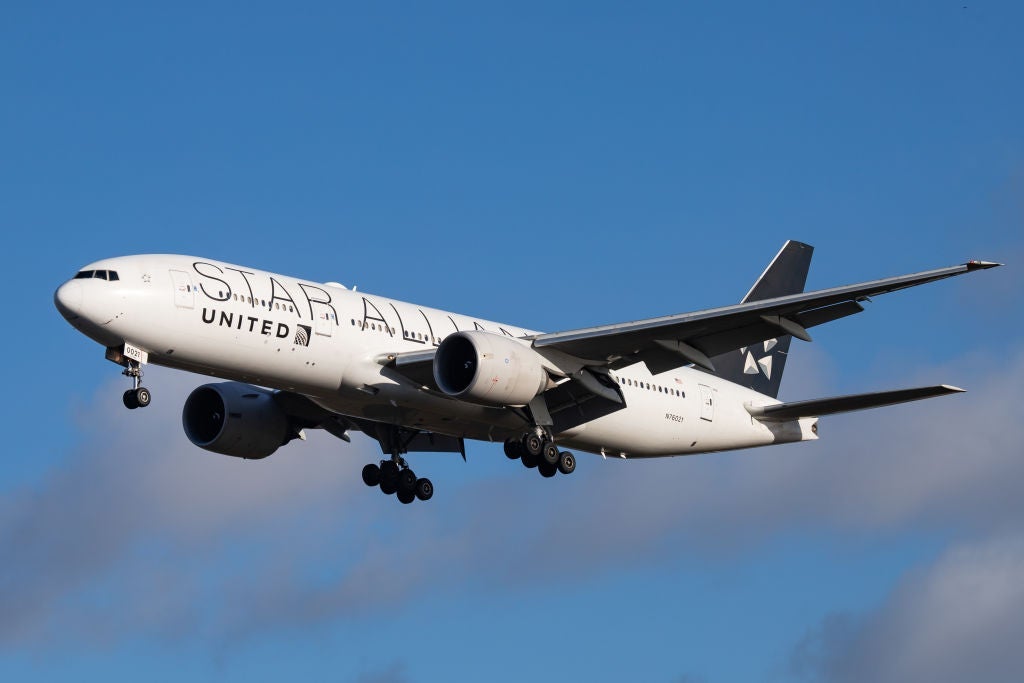
You may have noticed that on some aircraft — particularly on hot days — you hear and feel the air conditioning go quiet just before take off. Bleed air to the air conditioning system saps some engine power. So by turning the conditioning off for takeoff, the engines have more power available to them. After takeoff, the air conditioning is then reinstated.
Depending on the aircraft type, this bleed air is then fed to the various systems — one of them being the pressurization system. On an aircraft like the Boeing 777, high pressure bleed air is directed to the air conditioning packs, which sit in the belly of the aircraft. Here, it is conditioned for temperature and moisture and then sent into the cabin via the air conditioning system.
The other element, the aircraft fuselage, is built in such a way that it is strong enough to sustain the pressure from the build up of air inside it. You may be amazed to learn that the skin of the aircraft is just 2 mm to 4 mm thick. However, like with all things aviation, there's always a trade-off. A thicker skin would mean that the aircraft could withstand a higher internal pressure. However, the added weight would make the aircraft less efficient. With the design as it is, the aircraft is able to maintain a cabin pressure equivalent to being at 7,000 feet. For comparison, Mexico City sits 7,500 feet above sea level and Denver at about 5,400 feet.

Yet, you may have spotted a problem. Surely if you keep pumping air into the aircraft, there will come a point where it would go bang like a balloon? Correct. So, this is why the air coming into the aircraft is only half of the pressurization system. Letting air out is the other half.
Carefully Controlled Release
Next time you're waiting in line for takeoff, take a look at the back right section of other aircraft. You may notice a small hole. This hole — alarming as it may seem — is one of the most important parts of the pressurization system. It's called the outflow valve.

The outflow valve is controlled by various onboard computers and controls the amount of air being let out of the aircraft. During the takeoff run, the outflow valve closes, effectively sealing the aircraft. As the flight progresses and the aircraft climbs and descends, the outflow valve opens and closes to maintain the pressure inside the cabin at the required level.
Even if the outflow valve were to fail in the closed position, emergency air vents are fitted to the aircraft, allowing air to escape when it reaches a critical pressure.
As we saw above, the bleed air comes in from the engines at its hottest point. As much as we all like to be warm, being scorched is far from ideal. Consequently, adjusting the temperature of the pressurizing air is also essential. This is where the air conditioning packs come in. Using a combination of heat exchange methods utilizing ambient air from outside (your minus 76°F air), the hot bleed air is cooled.
Once it has been cooled to an acceptable temperature, it is then directed toward a unit that removes moisture from the air. After this, it heads toward another unit where it is mixed with some of the original hot air. It is here where the temperature required in the cabin is created. From here, the conditioned air heads into the cabin, providing the air to pressurize the cabin at a temperature that means you're able to sit there sipping your G & T in shorts and a T-shirt.
The Boeing 787 Dreamliner
As I mentioned above, most aircraft use bleed air to pressurize the cabin. This means that no matter how good the filtering and cleaning system, the air you breathe has still come via the engine. The Boeing 787 Dreamliner, however, is different.
Instead of using air from the engines, Boeing designed the aircraft to use air taken directly from the outside. This means that the air that you breathe on a 787 has all come from the fresh air outside. As the engines aren't then losing energy to power the air conditioning system, it also makes them more efficient. More efficient engines equals lower carbon emissions. Air is taken into the aircraft by two dedicated inlets just below where the front of the wing meets the fuselage. It is then directed into four electrically operated Cabin Air Compressors (CACs). The air is pressurized and sent to two identical air conditioning packs. Each pack has two dedicated CACs, however a single CAC is enough to power a single pack.
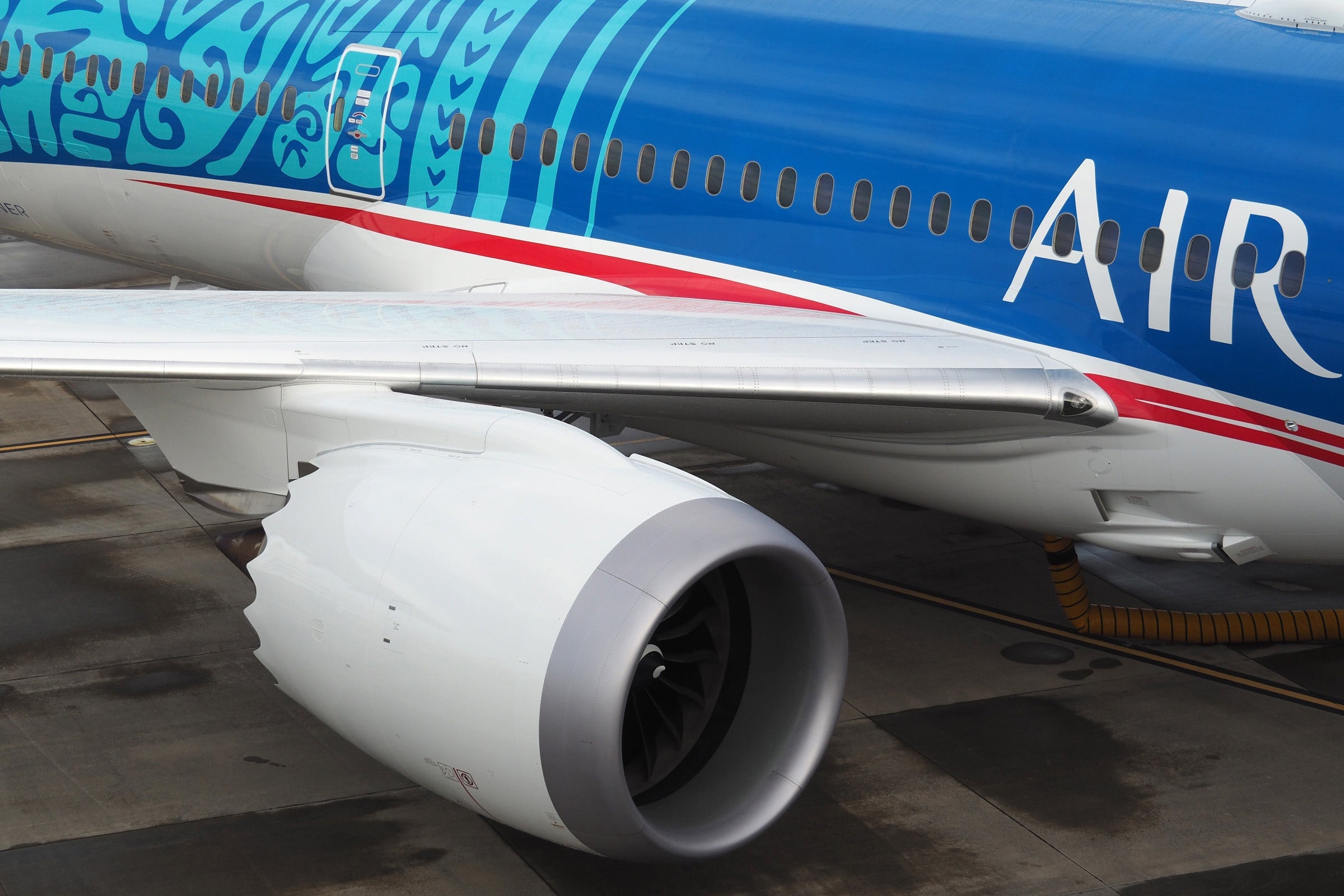
From here, the supply of air to the cabin is much the same as other aircraft, except when it comes to another important factor — moister air. The air on the Dreamliner is much more moist than on other types. You may have noticed that certain aircraft types are more dry than others. On the 787, the crew are able to set exactly how many passengers are on board. The air conditioning system then uses this number to optimize the humidity of the air being directed into the cabin creating an environment much more like that on the ground.
Finally, the fuselage of the Dreamliner is made from carbon fiber instead of the conventional aluminum. Not only does this make it lighter but it also makes it much stronger, meaning that it can withstand much higher cabin pressurization. As a result, the cabin altitude is roughly 30% lower than other aircraft at the same cruising altitude. This may not sound like much, but over a 14-hour flight you certainly notice the difference.

These three factors together mean that you get less dehydrated, sleep better and ultimately arrive at your destination feeling more refreshed than on other aircraft. Next time you have the choice of aircraft on a route, give the 787 a go. I promise that you won't be disappointed.
How to Look After Yourself on Board
Drink lots of water
One of the biggest problems with air travel is dehydration. Some aircraft types are better than others. Personally, I find the 777 incredibly dry. To counter this, make sure you drink plenty of water. If your airline charges for this, make sure you bring your own supplies. It may mean visiting the bathroom more regularly but it will also result in you feeling much more human when you step off the aircraft at the other end.
Use moisturizer
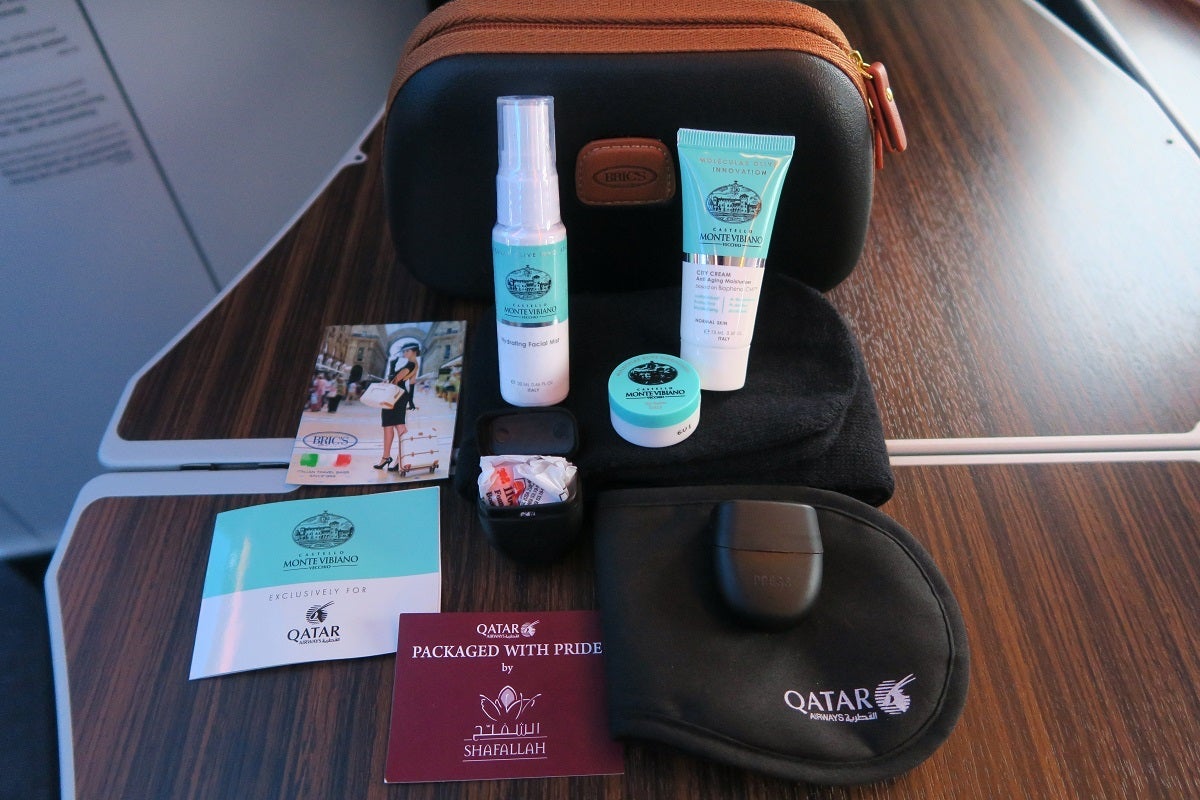
To supplement your water intake, keep your skin hydrated from the outside. This isn't the column to go into skin care products, so just find something that works for you. Make sure you have enough for the flight (check those liquids rules) and use it regularly.
Minimize the booze
We've all been there. The morning after the night before, waking up with your mouth dryer than the Sahara. So we know what booze does to our bodies. But what about that Saint-Emilion Grand Cru they're serving with dinner? And that rare whiskey they've got for an aperitif? Of course go for them, but don't go crazy — go one-for-one with glasses of water. And remember, it's a criminal offense to be drunk on an aircraft and carries a maximum two-year prison sentence. Don't be that person.
Bottom Line
Given the extreme conditions outside, modern aircraft provide a wonderfully comfortable environment in which to spend 16 hours. The combination of the engines and fuselage allow the cabin to be pressurized and heated as if you were on the ground in Mexico City. Yet, with improvements in technology like on the Boeing 787 Dreamliner, the environment in which you can sip your G & T is getting even better. Lower cabin altitudes, and fresher, more moist air all provide for a much healthier and relaxing flight experience.
This story has been updated to show the accurate rate for atmospheric cooling (roughly 3.6°F for every 1,000 feet) and to show the correct elevation for Denver.
TPG featured card
at American Express's secure site
Terms & restrictions apply. See rates & fees.
| 4X | Earn 4X Membership Rewards® points per dollar spent on purchases at restaurants worldwide, on up to $50,000 in purchases per calendar year, then 1X points for the rest of the year. |
| 4X | Earn 4X Membership Rewards® points per dollar spent at US supermarkets, on up to $25,000 in purchases per calendar year, then 1X points for the rest of the year. |
| 5X | Earn 5X Membership Rewards® points on prepaid hotel stays booked through AmexTravel.com or the Amex Travel App™. |
| 3X | Earn 3X Membership Rewards® points on flights booked through AmexTravel.com, the Amex Travel App™, or purchased directly from airlines. |
| 2X | Earn 2X Membership Rewards® points on prepaid car rentals booked through AmexTravel.com or the Amex Travel App™ and cruises booked and paid through AmexTravel.com. |
| 1X | Earn 1X Membership Rewards® point per dollar spent on all other eligible purchases. |
Pros
- Valuable dining and food-related credits
- Flexible rewards with airline and hotel transfer partners
- Multiple travel and purchase protections
- No foreign transaction fees
- Access to Amex Offers for additional savings (enrollment required)
Cons
- Not as useful for those living outside the U.S.
- Some may have trouble using Uber and other dining credits
- You may be eligible for as high as 100,000 Membership Rewards® Points after you spend $8,000 in eligible purchases on your new Card in your first 6 months of Card Membership. Welcome offers vary and you may not be eligible for an offer. Apply to know if you’re approved and find out your exact welcome offer amount – all with no credit score impact. If you’re approved and choose to accept the Card, your score may be impacted.
- Earn 4X Membership Rewards® points per dollar spent on purchases at restaurants worldwide, on up to $50,000 in purchases per calendar year, then 1X points for the rest of the year.
- Earn 4X Membership Rewards® points per dollar spent at US supermarkets, on up to $25,000 in purchases per calendar year, then 1X points for the rest of the year.
- Earn 5X Membership Rewards® points on prepaid hotel stays booked through AmexTravel.com or the Amex Travel App™.
- Earn 3X Membership Rewards® points on flights booked through AmexTravel.com, the Amex Travel App™, or purchased directly from airlines.
- Earn 2X Membership Rewards® points on prepaid car rentals booked through AmexTravel.com or the Amex Travel App™ and cruises booked and paid through AmexTravel.com.
- Earn 1X Membership Rewards® point per dollar spent on all other eligible purchases.
- Pay It® lets you tap in the American Express® App to quickly pay for small purchase amounts throughout the month and still earn rewards the way you usually do. Plan It® gives you the option to split up big purchases into equal monthly payments with a fixed fee. You’ll know upfront exactly how much you’ll pay.
- $120 Dining Credit: Earn up to a total of $10 in statement credits monthly when you pay with the Gold Card at Grubhub (including Seamless), Buffalo Wild Wings, Five Guys, The Cheesecake Factory, and Wonder. This can be an annual savings of up to $120. Enrollment required.
- $100 Resy Credit: Get up to $100 in statement credits each calendar year at over 10,000 qualifying U.S. Resy restaurants after you pay for eligible purchases with the American Express® Gold Card. That’s up to $50 in statement credits semi-annually. Enrollment required.
- $84 Dunkin' Credit: Earn up to $7 in monthly statement credits after you pay with the American Express® Gold Card at U.S. Dunkin’ locations. Enrollment required.
- $120 Uber Cash on Gold: Enjoy up to $120 in Uber Cash annually with your Gold Card. Just add your Card to your Uber account and you'll get $10 in Uber Cash each month to use on orders and rides in the U.S. when you select an Amex Card for your transaction.
- Enjoy complimentary Hertz Five Star® Status benefits like skipping the counter at select locations, adding an additional driver at no additional cost*, and vehicle upgrades**. Benefit enrollment and Hertz Gold+ registration are required. *Additional drivers must meet standard rental qualifications and must be a spouse or domestic partner to qualify as complimentary. Other additional drivers subject to fees. **Benefits are subject to availability and vary by location. Additional Hertz program Terms and Conditions including age restrictions apply.
- Book two nights or more with The Hotel Collection through AmexTravel.com or the Amex Travel App™ and receive a $100* credit towards eligible charges at over 1,400 upscale hotels worldwide. *Eligible charges vary by property.
- Book your travel through the Amex Travel App™ with added peace of mind – backed by American Express® service and support. Only for American Express® Card Members.
- Whenever you need us, we're here. Our Member Services team will ensure you are taken care of. From lost Card replacement to statement questions, we are available to help 24/7.
- No Foreign Transaction Fees.
- Annual Fee is $325.
- Terms Apply.