The Points Guy believes that credit cards can transform lives, helping you leverage everyday spending for cash back or travel experiences that might otherwise be out of reach. That's why we publish a variety of editorial content and card comparisons: to help you find a great card to turn your goals into reality.
Our site may earn compensation when a customer clicks on a link, when an application is approved, or when an account is opened with our partners, and this may impact how or where these products appear. While we don't cover all available credit cards, our editorial team creates and maintains all of the analysis of these cards, and our content is not influenced nor subject to review by any credit card company, bank or partner prior to (or after) publication. Please view our advertising policy and product review methodology for more information.
Advertiser disclosure
The Points Guy believes that credit cards can transform lives, helping you leverage everyday spending for cash back or travel experiences that might otherwise be out of reach. That's why we publish a variety of editorial content and card comparisons: to help you find a great card to turn your goals into reality.
Our site may earn compensation when a customer clicks on a link, when an application is approved, or when an account is opened with our partners, and this may impact how or where these products appear. While we don't cover all available credit cards, our editorial team creates and maintains all of the analysis of these cards, and our content is not influenced nor subject to review by any credit card company, bank or partner prior to (or after) publication. Please view our advertising policy and product review methodology for more information.
News
Flight cancellations hit 4-year high: Here are the worst airports and our tips for flying
Sean Cudahy is an aviation reporter covering news about airlines, frequent flyer programs and consumer travel issues.
September 24, 2026 • 9 min read
The cards we feature here are from partners who compensate us when you are approved through our site, and this may impact how or where these products appear. We don't cover all available credit cards, but our analysis, reviews, and opinions are entirely from our editorial team. Terms apply to the offers listed on this page. Please view our advertising policy and product review methodology for more information.Editorial disclaimer: Opinions expressed here are the author's alone, not those of any bank, credit card issuer, airline or hotel chain, and have not been reviewed, approved or otherwise endorsed by any of these entities.
Comments
By commenting, you agree to our Community Guidelines to help create a positive space for conversation. The responses below are not provided or commissioned by the bank advertiser, our partners, or The Points Guy (“TPG”). They have not been reviewed, approved, or otherwise endorsed by any of these parties. All responses are submitted by individual contributors, and neither the bank advertiser, our partners, nor TPG are responsible for ensuring that all posts and/or questions are answered.
Related stories
Quick summary
Flight cancellations in the U.S. have surged by about 15% this summer compared to last year, making 2026 one of the worst years for disruptions since 2022.
Major causes include severe weather, air traffic control outages, runway construction and persistent congestion at busy airports.
New York City airports ranked among the worst for cancellations, while Salt Lake City, Minneapolis-St. Paul and Dulles had the best on-time records this summer.
Booking morning flights and preparing for delays with essentials and mobile apps are key strategies to minimize travel disruptions.
What to consider
Airlines generally do not cover expenses for weather-related delays, so having travel insurance through a credit card can help recoup costs.
Starting in October, airlines may stop covering costs for some mechanical delays, increasing the importance of travel protections.
Delays tend to worsen as the day progresses, making early flights less risky for disruptions.
What you'll miss from the article
Detailed airport-by-airport rankings for cancellations, delays and on-time performance, plus practical tips for handling disruptions.
Generated by AI with support from our editorial team.
If you found yourself stuck at an airport or stranded overnight this summer, you’re not alone.
So far, 2026 is shaping up to be one of the worst years for flight cancellations in the past several years.
This summer, the number of canceled flights on U.S. carriers surged by about 15% over last year, according to data from FlightAware.
And the problems didn’t stop as Americans returned to work and school.
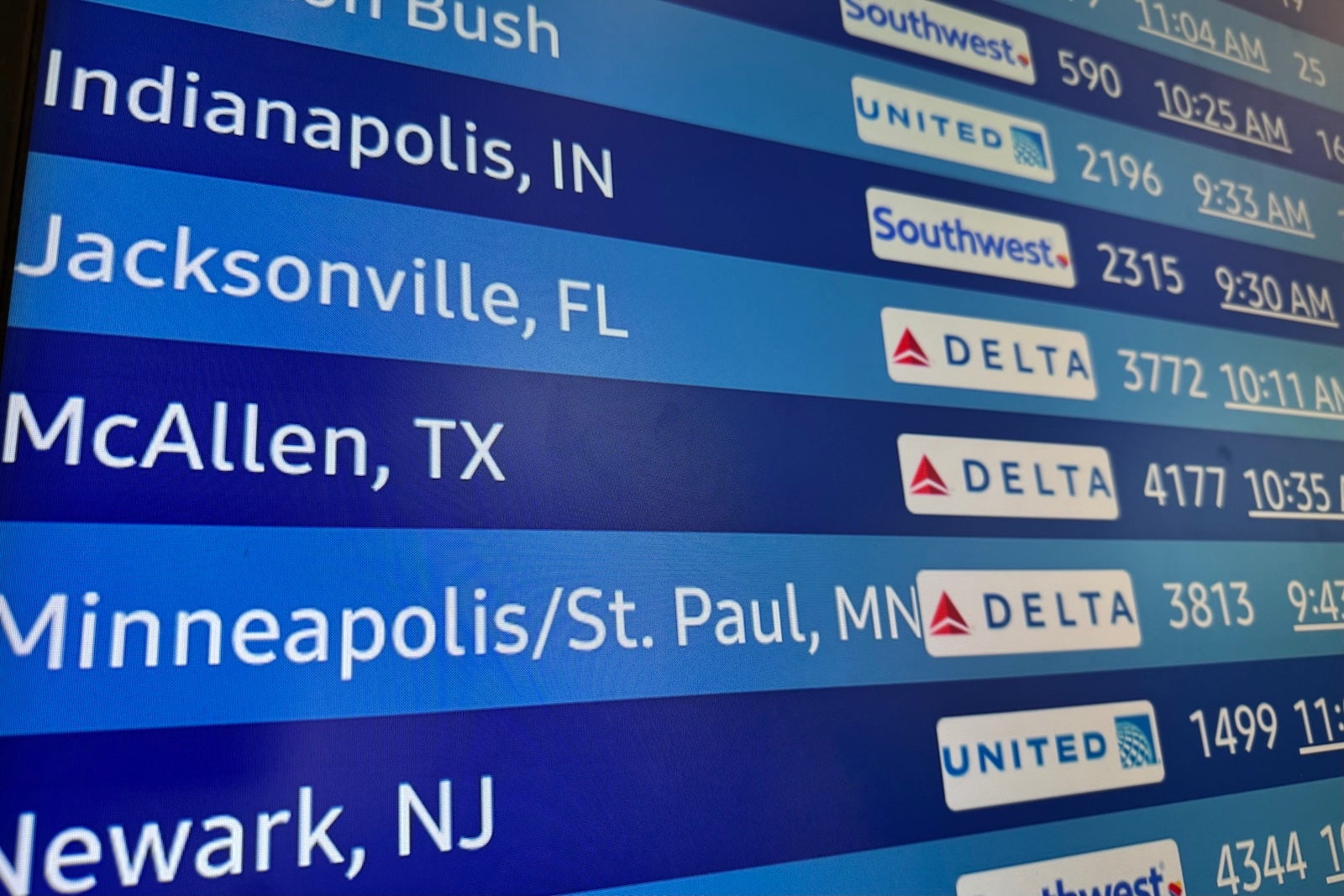
SEAN CUDAHY/THE POINTS GUY
Earlier this week, airlines had to shutter more than 1,000 departures as an air traffic control equipment outage snarled operations on the East Coast.
Things were pretty much back on track a day later, but for passengers, it was just the latest snafu in a year that has brought plenty of them.
Worst year for flight cancellations since 2022
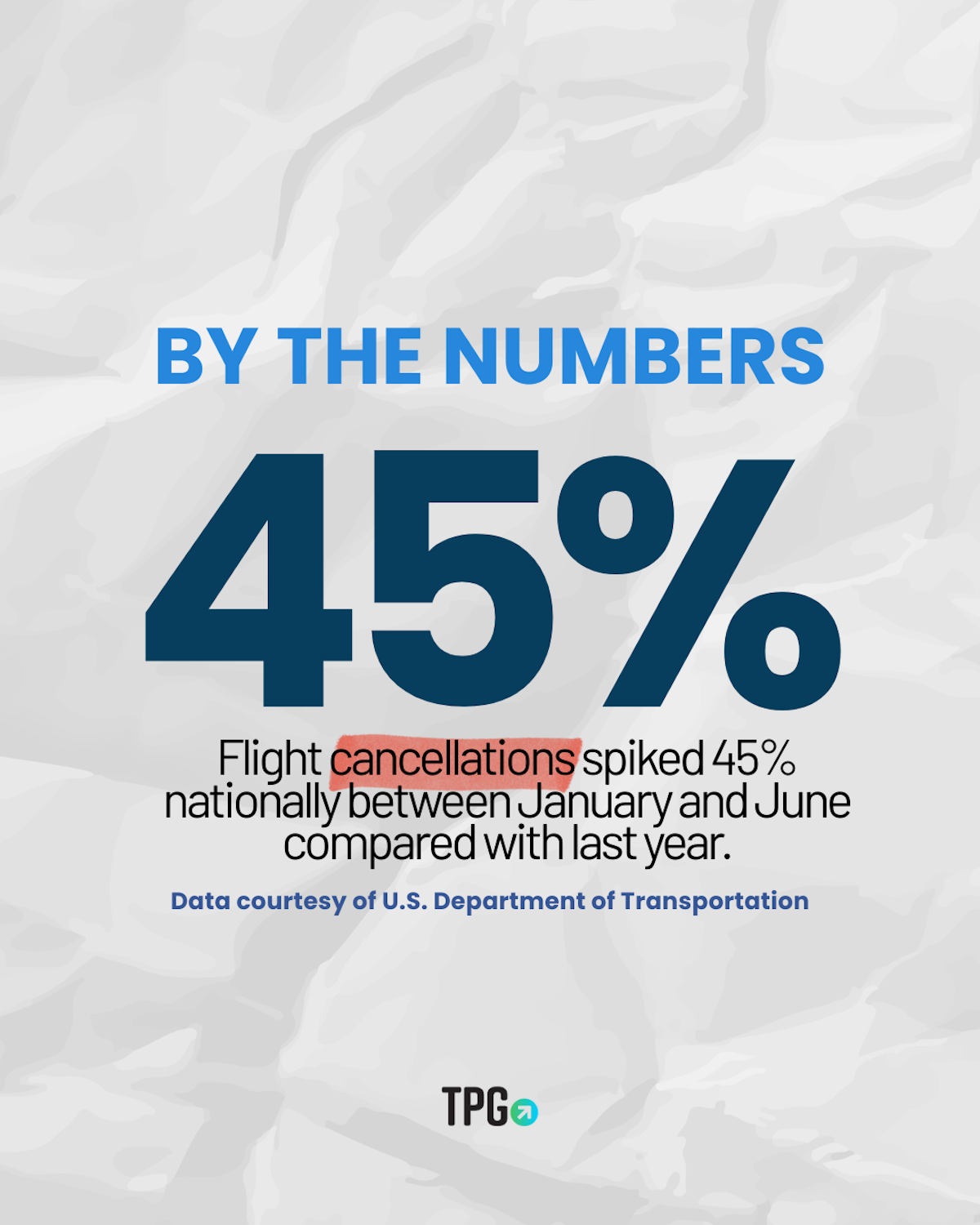
Since Jan. 1, U.S. carriers have canceled roughly 2% of all flights, per FlightAware.
That puts 2026 on pace to see the highest rate of cancellations since 2022 — a forgettable year right after the peak of the COVID-19 pandemic, when staffing and operational woes fueled one airline meltdown after another.
THE POINTS GUY
There’s no single problem behind this year’s disruptions.
January brought a series of punishing winter storms to several key cities, including the worst weather disruption in American Airlines’ history. Then came runway construction at busy hubs like San Francisco International Airport (SFO).
Meanwhile, congestion and air traffic control delays continue to plague busy markets like New York City and Washington, D.C.
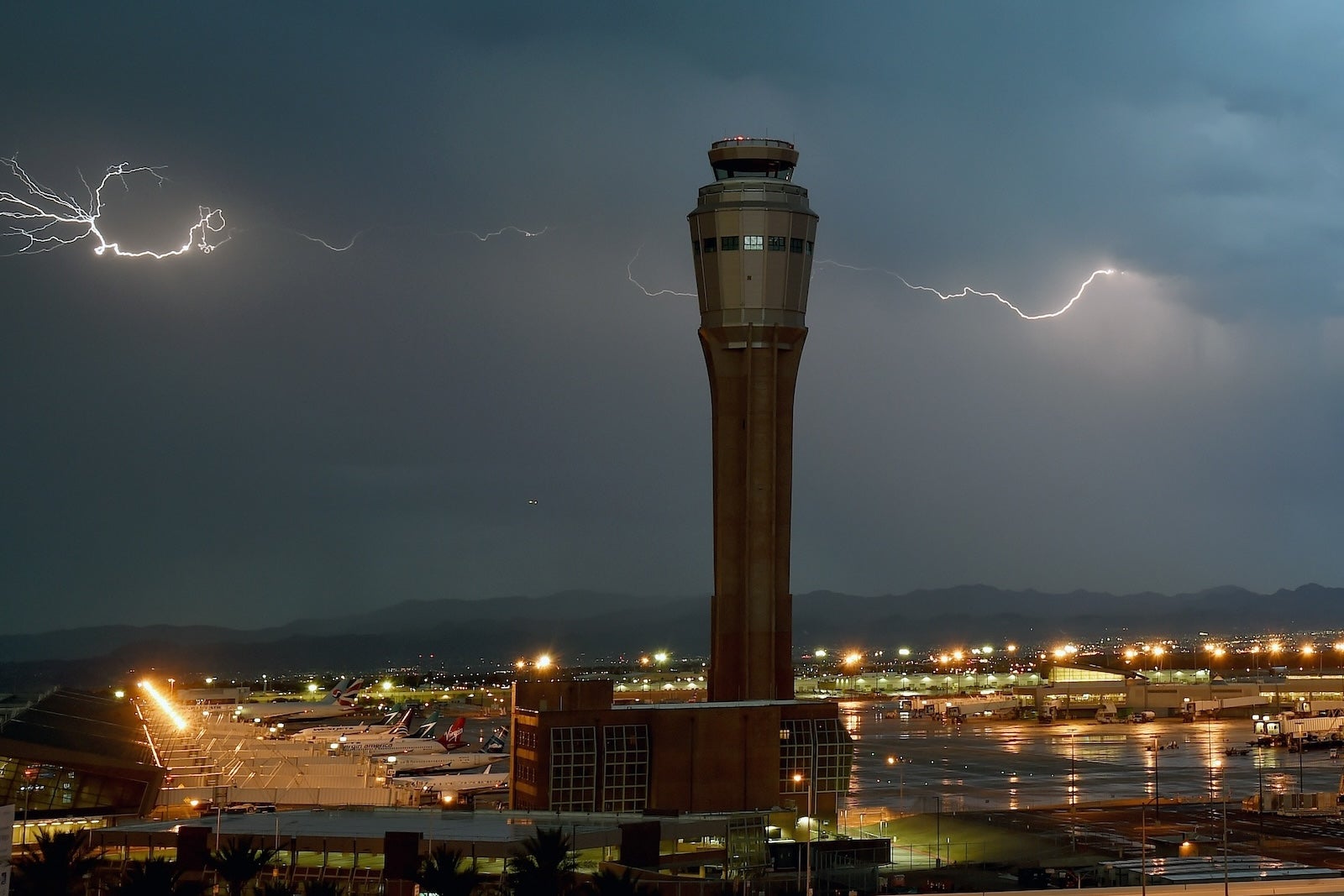
And, of course, summer storms are always a major factor — especially when they hit airports with jam-packed flight schedules.
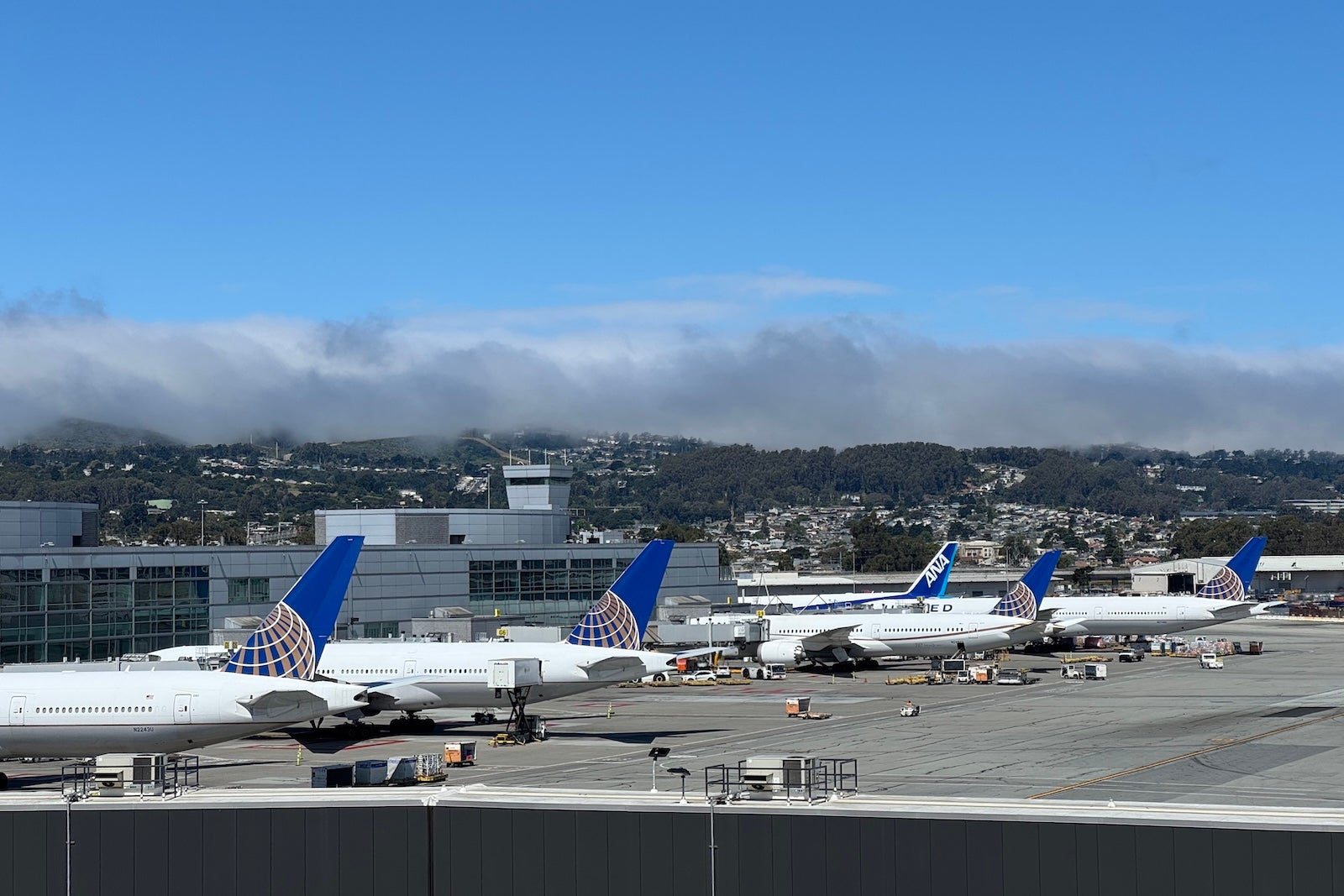
United Airlines planes at San Francisco International Airport (SFO). SEAN CUDAHY/THE POINTS GUY
The worst airports for flight cancellations this summer
Which airports were the worst in terms of cancellations? We have the numbers:
Rank
Airport
% of flights canceled
1
LaGuardia Airport (LGA)
6.5%
2
Ronald Reagan Washington National Airport (DCA)
5.8%
3
John F. Kennedy International Airport (JFK)
4.2%
4
Boston Logan International Airport (BOS)
3.8%
5
Newark Liberty International Airport (EWR)
3.7%
Source: Cirium data for U.S. airports with at least 30,000 flights between Memorial Day and Labor Day weekends.
A word about New York
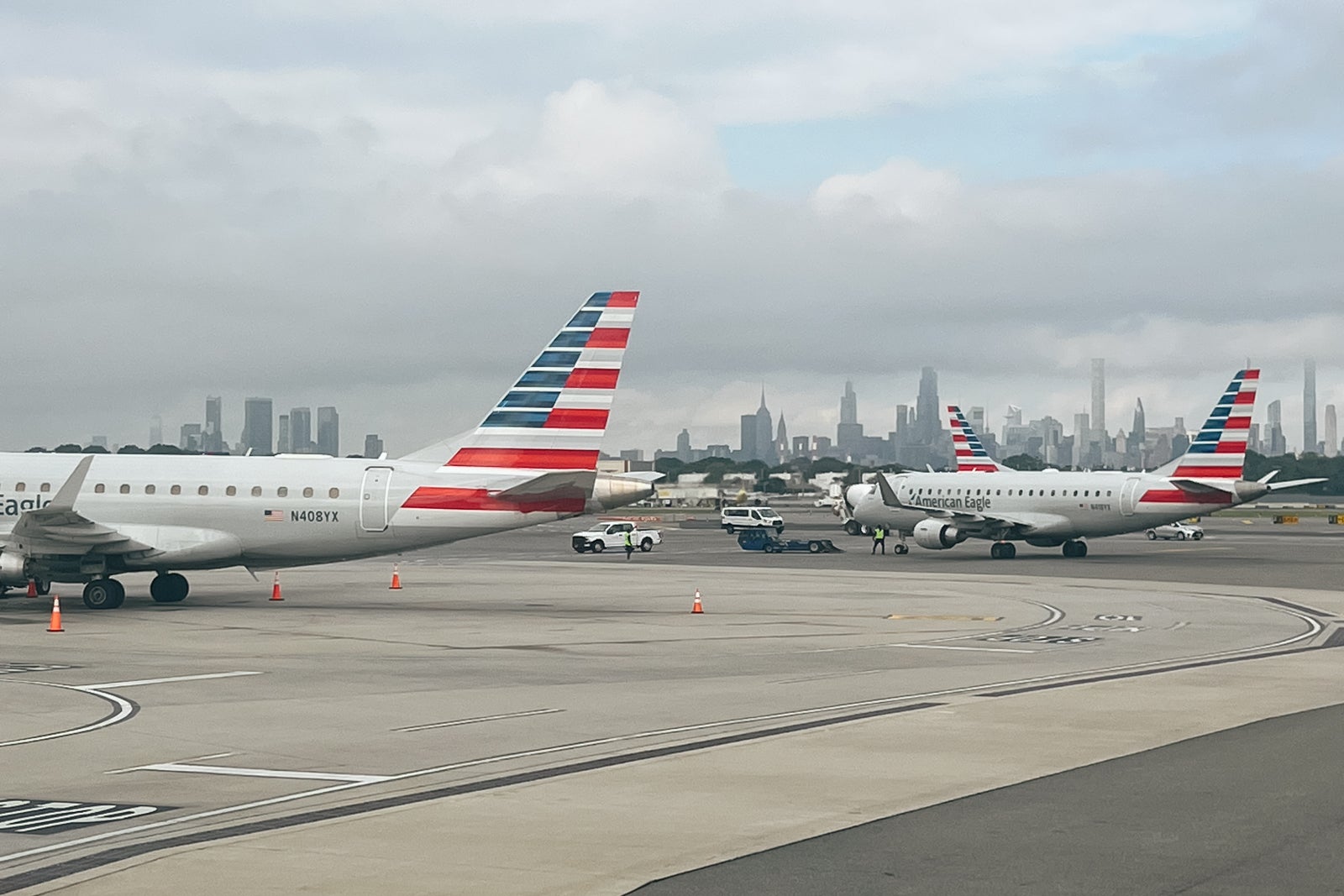
If you’re flying out of New York City, the risk of getting stuck is real.
All three of the region’s busiest hubs ranked among the nation’s worst airports for flight cancellations.
Which of those airports is your best bet? After plenty of troubles (and headlines) in 2025, Newark was the New York City area’s best airport for delays and cancellations this summer, according to data from aviation analytics firm Cirium.
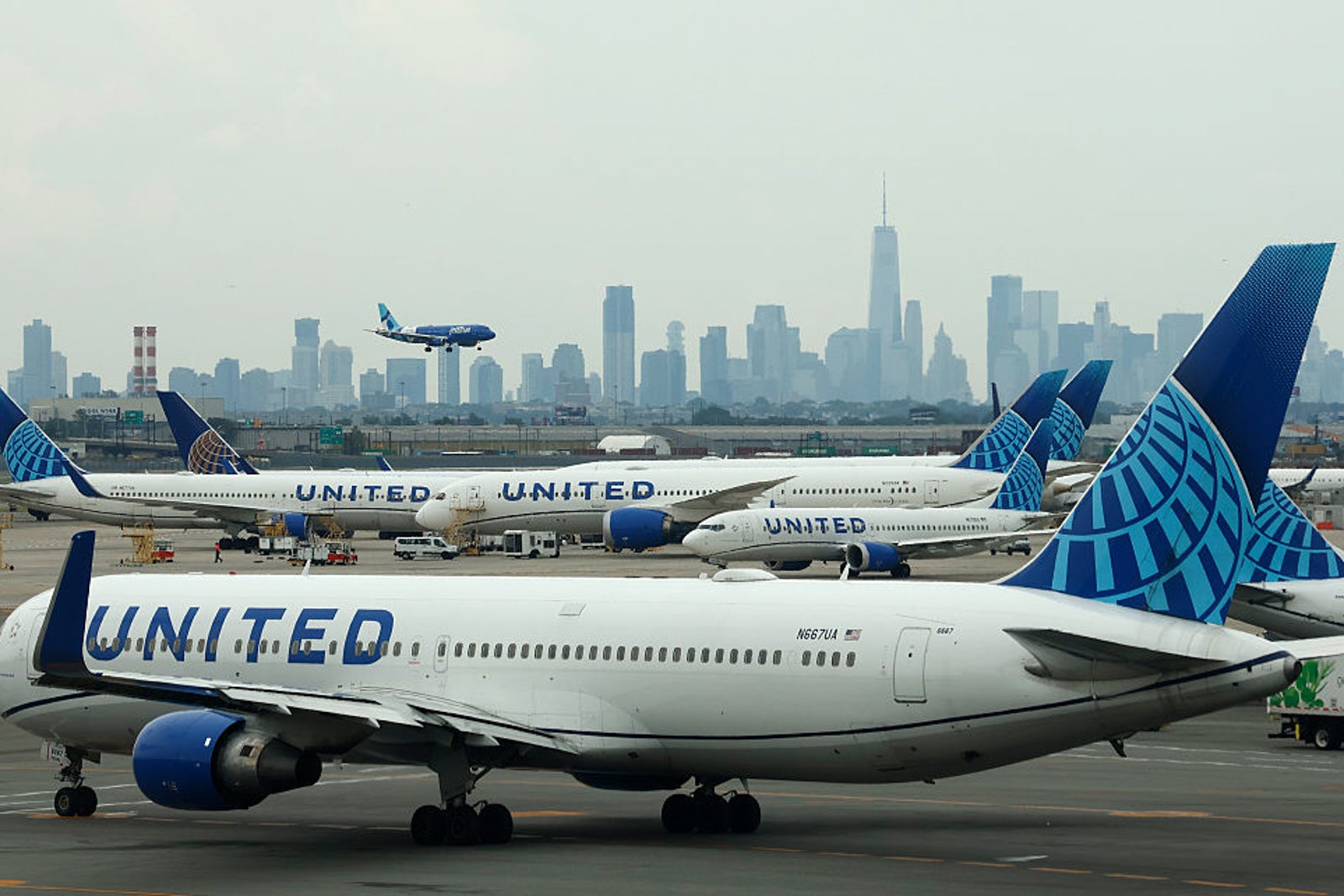
GARY HERSHORN/GETTY IMAGES
The worst airports for flight delays this summer
Rank
Airport
% of flights delayed
1
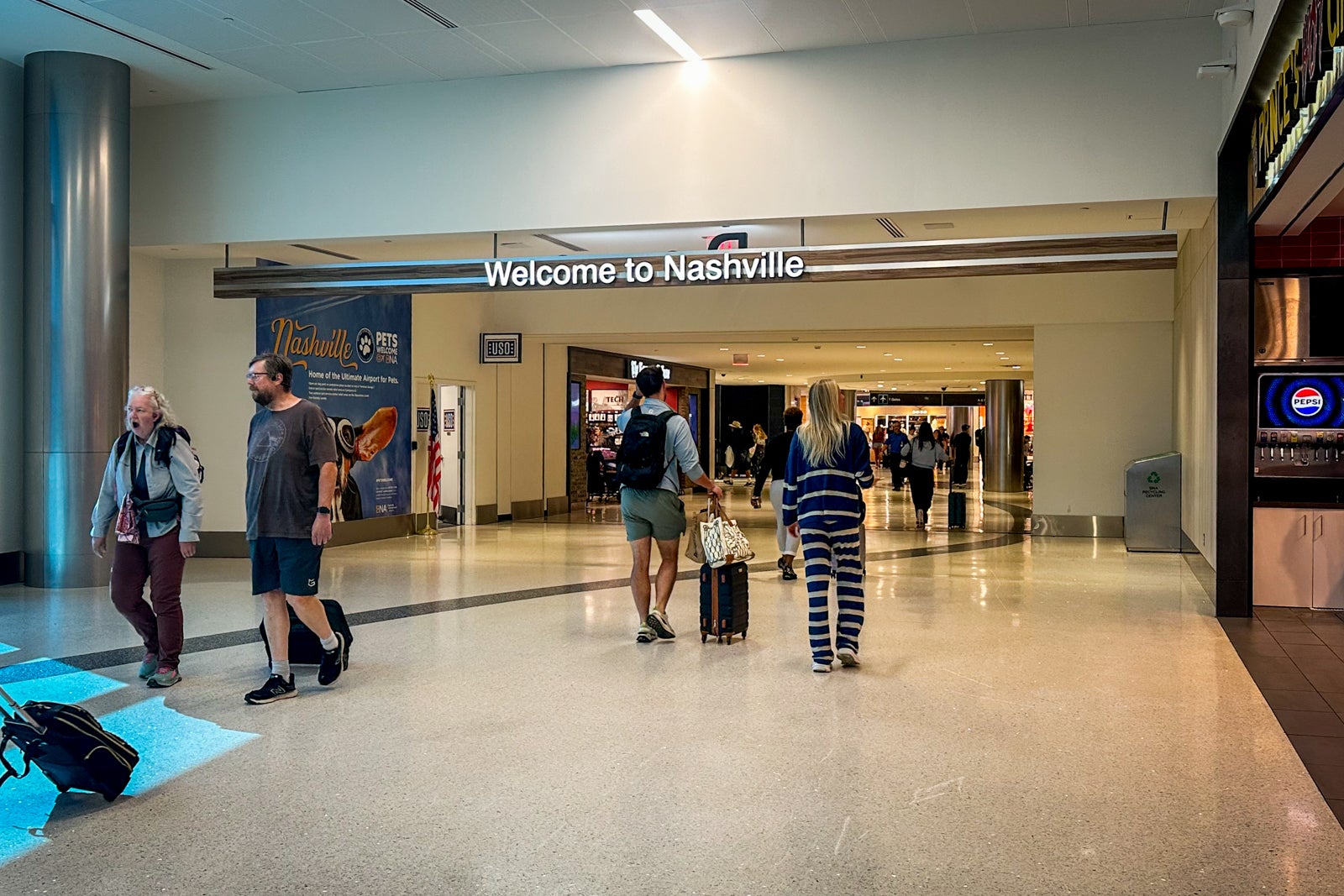
Nashville International Airport (BNA)
35.3%
2
Baltimore/Washington International Thurgood Marshall Airport (BWI)
34.6%
3
San Diego International Airport (SAN)
33.6%
4
Dallas Fort Worth International Airport (DFW)
33.4%
5
San Francisco International Airport (SFO)
32.1%
Source: Cirium data for U.S. airports with at least 30,000 flights between Memorial Day and Labor Day weekends.
Interestingly, while flight cancellations were higher this summer than in 2025, delays didn't jump meaningfully from last year.
Still, about one out of every four departures was delayed, nationwide, between Memorial Day weekend and Labor Day.
Nashville International Airport (BNA). EMILY THOMPSON/THE POINTS GUY
Which airports had the best on-time record?
Meanwhile, here are the large airports that saw the best on-time performance this summer.
Looking ahead to summer travel 2027, you might want to aim for these hubs — especially if you have to make a connection.
Rank
Airport
On-time percentage
1
Salt Lake City International Airport (SLC)
82%
2
Minneapolis-St. Paul International Airport (MSP)
80.1%
3
Dulles International Airport (IAD)
79.4%
4
Los Angeles International Airport (LAX)
78%
5
George Bush Intercontinental Airport (IAH)
77.5%
Source: Cirium data for U.S. airports with at least 30,000 flights between Memorial Day and Labor Day weekends.
Frequent United Airlines and Delta Air Lines flyers should be happy: Each of those five airports is a hub for one (or both) of those carriers.
TPG tips for avoiding travel woes: Morning is still your best bet
So what are the best ways to avoid flight trouble?
For starters, book the morning flight.
We see it every year, and it was certainly true in 2026: Morning flights tend to run more smoothly than afternoon and evening flights.
Pre-dawn departure at Dulles International Airport (IAD). SEAN CUDAHY/THE POINTS GUY
Flight woes tend to compound as the day goes on. Maintenance issues arise. Afternoon storms fire up. Planes fall behind as they criss-cross the country over the course of the day.
So, if you can stomach the early alarm clock, you’ll likely stand a much better chance of getting to your destination on time.
“If you start cleanly in the morning, the airline tends to run on time for the rest of the day,” Frontier Airlines CEO Jimmy Dempsey told me this summer.
I’d be especially cautious about booking an itinerary with a connection in the late afternoon or evening hours — particularly during peak spring and summer storm season.
ETHAN MILLER/GETTY IMAGES
A credit card with travel insurance is more important than ever
If you get stranded because of the weather, the airline typically won’t pay for your pop-up expenses like meals or a hotel stay.
That’s where a credit card that has travel protections can come in clutch. I’ve recouped hundreds of dollars in expenses on multiple occasions.
Just make sure you initially booked the trip with that card, because that's typically required to make a successful claim.
And having a credit card like this is about to get even more important. Starting in October, airlines may not cover your costs for some mechanical delays.
Be glued to your phone
I know, I know: Most of us probably don’t feel like we need more screen time. But these days, you often have to navigate flight woes on your phone.
You can use airline apps to rebook yourself and search for backup flights. Apps like Flighty offer early warnings about potential disruptions.
CLINT HENDERSON/THE POINTS GUY
And airlines have bolstered their technology to offer mobile bag-tracking and self-help tools for flight cancellations and delays.
Downloading all the apps, loading your reservations and familiarizing yourself with the different tools can make you a pro if a flight disruption occurs.
Have water, snacks and entertainment at the ready
One-hour flights can easily turn into three hours on the plane when lightning forces a ground stop or air traffic control halts departures.
If you don’t have the essentials, that can make the taxiway delay even more unpleasant.
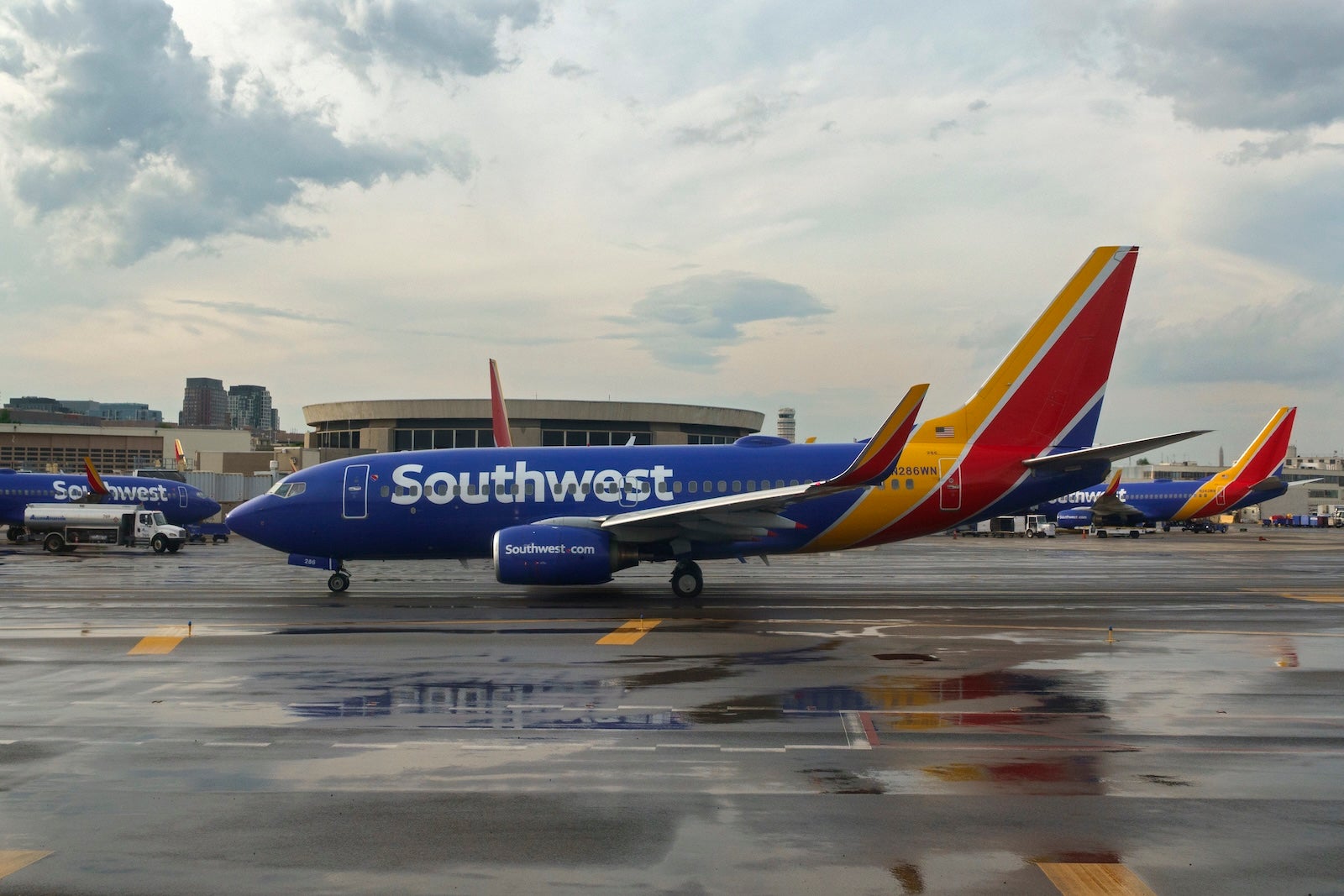
A Southwest Airlines plane at Ronald Reagan Washington National Airport (DCA). KEVIN CARTER/GETTY IMAGES
Pack water and snacks in your bag and download entertainment on your devices. Don’t count on the inflight service to hold you over, because you could end up waiting awhile.
And, while we're on the subject, might I offer a reminder to use the restroom before you board? Typically, if you’re stuck on a taxiway, the seat belt sign is on.
By commenting, you agree to our Community Guidelines to help create a positive space for conversation. The responses below are not provided or commissioned by the bank advertiser, our partners, or The Points Guy (“TPG”). They have not been reviewed, approved, or otherwise endorsed by any of these parties. All responses are submitted by individual contributors, and neither the bank advertiser, our partners, nor TPG are responsible for ensuring that all posts and/or questions are answered.