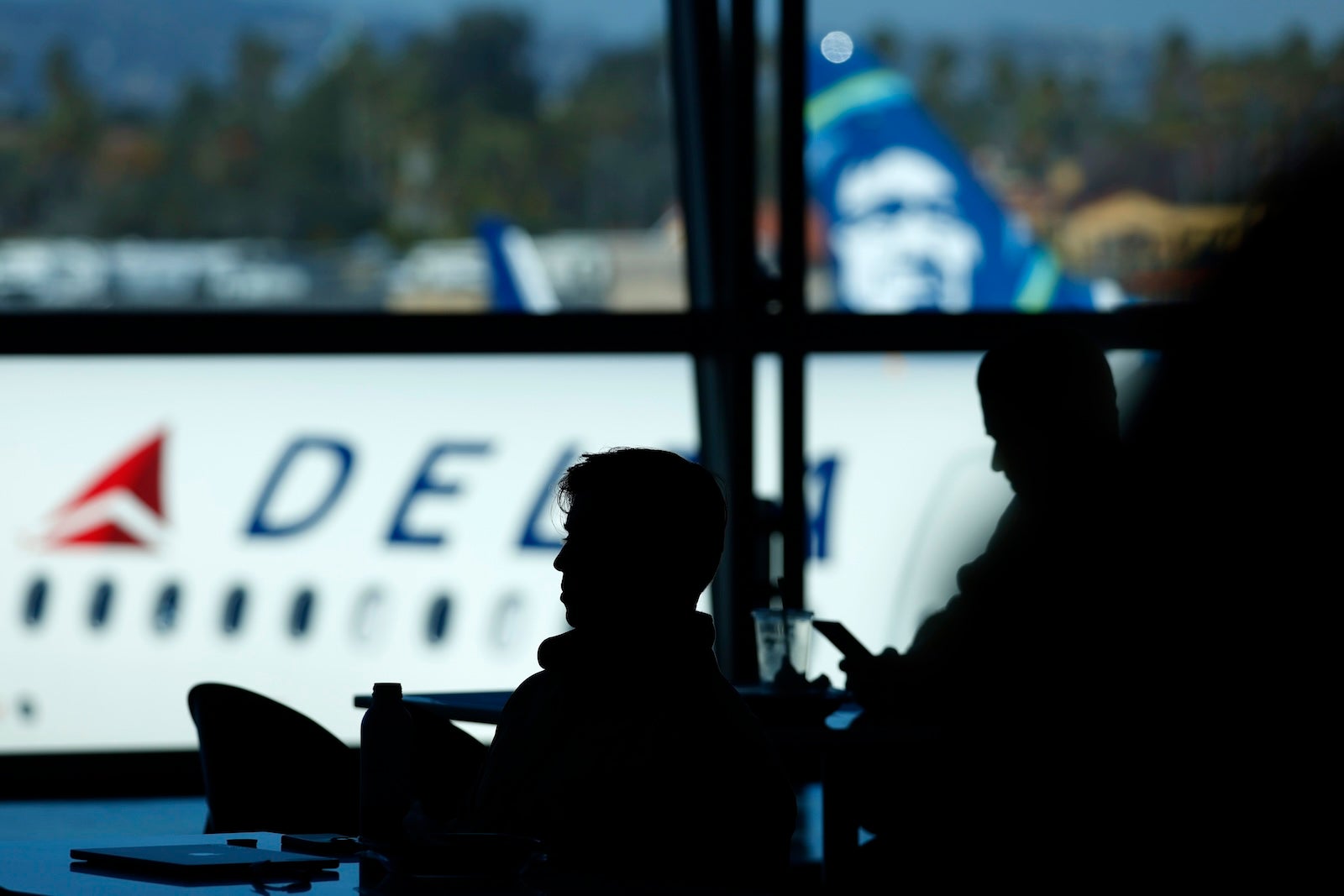
The program is a key step in the Seattle-based airline’s merger with Hawaiian Airlines. The as-yet-unnamed program will combine and replace the separate Alaska Mileage Plan and Hawaiian HawaiianMiles programs.
During a quarterly earnings call with investors Thursday, Alaska Airlines CEO Ben Minicucci described the new program as “another exciting step in enhancing our guest experience." The loyalty platform will be paired with a new premium credit card as well.
The imminence of Alaska’s new loyalty program is not stopping travelers from signing up for one of its existing cobranded Mileage Plan credit cards. The number of card sign-ups increased 26% year-over-year in the first quarter; much of that activity occurred in Hawaii, where sign-ups jumped 40%. This helped boost cobranded card revenues for Alaska in an otherwise challenging period.
Alaska saw the same slowdown in U.S. travel demand in the first quarter as other carriers have reported. That contributed to a net loss during the period (PDF link) and prompted the carrier to delay any guidance updates for the full year. However, executives expressed confidence that the bottom has passed.
“Overall bookings have stabilized as we look forward, albeit at lower yields than we had planned,” Andrew Harrison, chief commercial officer of Alaska, said during the call. "Yields" refers to the airfare travelers pay.
Slowdown or not, Alaska executives remain bullish on the airline’s future.
Premium performing well, even as demand slows
Alaska’s investment in its premium offerings is proving a prescient one. Revenue from first-class and extra-legroom economy seats (or “premium class,” as Alaska refers to them) grew faster than revenue from economy seats in the first quarter, executives said.
The airline is in the process of retrofitting more than 200 Boeing 737s with additional premium seats. The program will add four first-class seats (making 16 total) to its 737-800s; it will also add six more extra-legroom economy seats (making 30 total) to 737-900ERs and 737 MAX 9s. New 737 MAX 8s will begin to arrive in May with the same layout as the updated 737-800s.
Alaska aims to complete updates to more than half of its 159 737-900ERs and MAX 9s (84 aircraft) by July, Harrison said. Work on its 59 737-800s will begin this summer. The carrier aims to complete the premium overhauls by the summer of 2026.
Alaska-Hawaiian merger is moving ahead at pace
Alaska is confident in the timing of major milestones in its merger with Hawaiian, Minicucci said. The airline maintains plans for a single operating certificate — the document that allows them to operate as a commercial airline — from the Federal Aviation Administration in the fourth quarter of 2025.
Hawaiian is scheduled to move to Alaska’s reservation system (also known as a “passenger service system”) in the second quarter of 2026. The reservations system cutover is one of the most fraught steps in any airline merger. However, Alaska pulled it off with barely a hiccup when it integrated Virgin America in 2018.
When asked if the FAA’s notoriously slow bureaucracy could affect the timing, Minicucci said he does not expect a delay.
“Overall, Hawaii is a bright spot for us,” he said of the merger and the market. “Everything we’re doing is ahead of expectations.”
California, not just San Diego, is still key to Alaska
Alaska executives faced scrutiny of their California strategy. In the days before the call, the airline axed four longer routes from Los Angeles International Airport (LAX) and San Francisco International Airport (SFO), and it added three from San Diego International Airport (SAN).
“San Francisco and Los Angeles are still a key part of our California strategy,” Harrison said in response to questions about the airline’s future at the Golden State’s two largest airports.
He said the San Diego growth is part of a longer-term play that fits with its loyalty strategy. Alaska has steadily grown in the Southern California metropolis over the past decade to become the airport’s second-largest airline by flights and seats after Southwest Airlines, schedule data from aviation analytics firm Cirium shows.
Alaska sees the “highest average card spend” in San Diego of any of its California markets, Harrison said.
“San Diego has just performed very, very well on our growth,” he continued. “That’s a place we’re going to continue to invest in.”
Alaska plans to operate 90 peak-day departures from San Diego by October. This includes additional flights to key destinations, including Las Vegas’ Harry Reid International Airport (LAS), Sacramento International Airport (SMF) and San Jose Mineta International Airport (SJC).