Whoopsie! Why airplanes sometimes tilt up on the ground
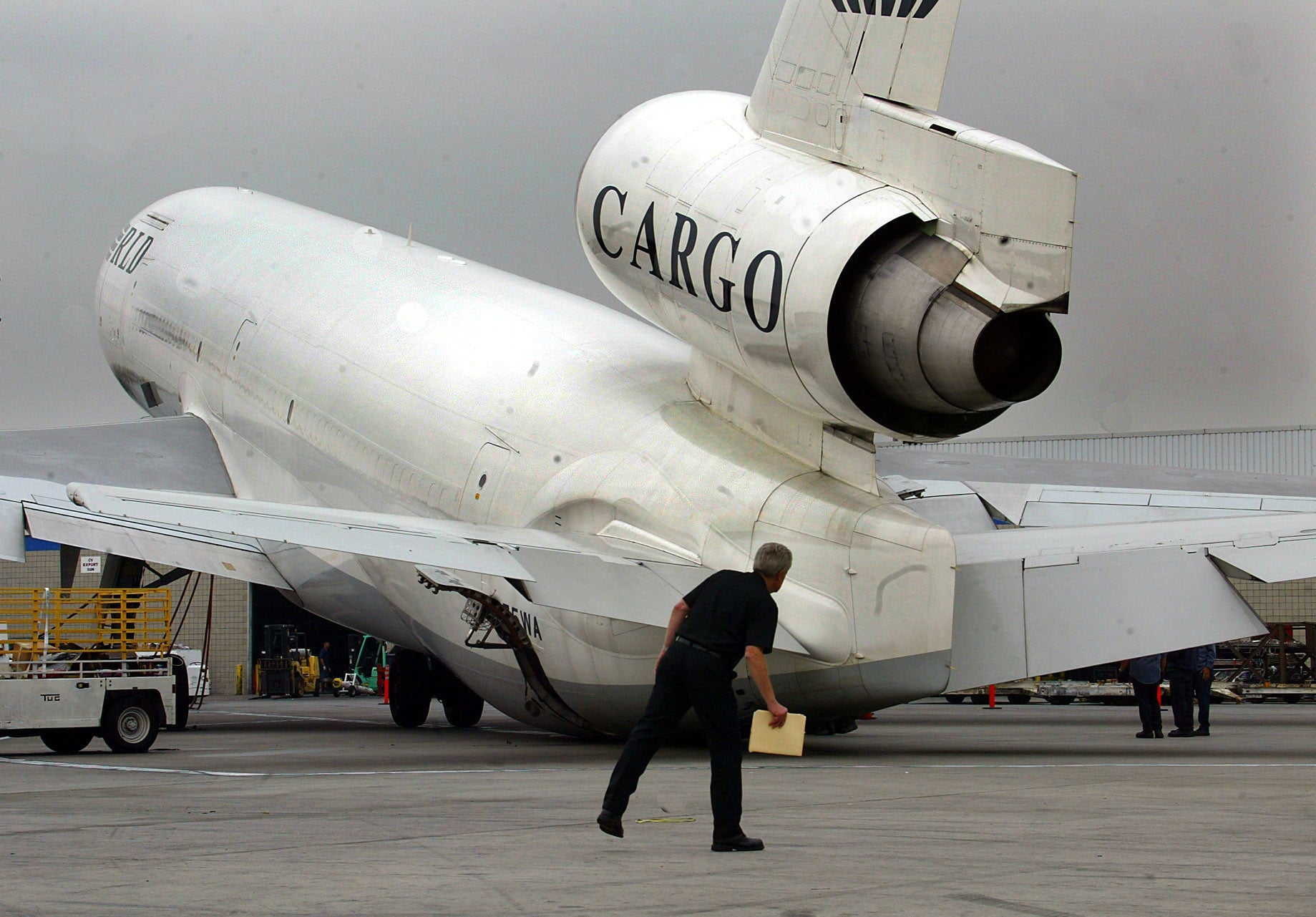
Airplanes should not do this. But sometimes it happens, and when it does, it's a problem.
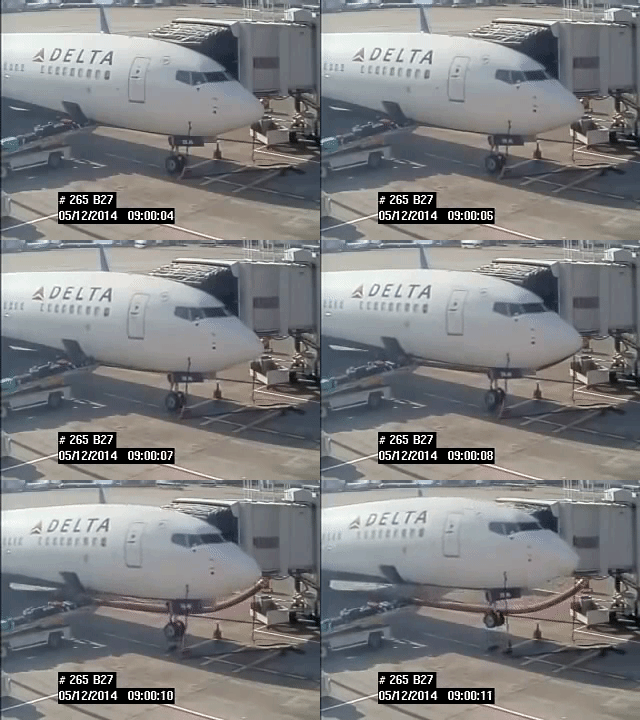
In the clip above, a Delta Airlines Boeing 737 tilts backward on its tail while parked at the gate. If you look closely, you can see bags being off-loaded from the forward cargo hold. What happened is that too many bags, and passengers, were offloaded from the front of the plane compared to the back. The result? This slow-motion lift-off at the gate, no doubt to the shock of the ground operations team and any passengers on the plane. (The 737 returned to its normal position in less than a minute.)
While it's amusing to witness, it's no joke for the airlines. This incident likely took the plane out of service for inspection of the tail, assuming it made contact with the ground, and the front passenger door, to ensure it wasn't damaged against the gate.
This seesaw is a rare occurrence for passenger jets; it's more common for cargo aircraft. One experienced ramp worker I spoke with said he experienced a tilted airplane once in his career, at JetBlue. The plane didn't fully tilt on its tail, but came very close, with the nose gear a few centimeters off the ground. He said the team quickly stopped unloading from the front of the plane and a crisis was averted.
Incidents like these happen because an airplane is like large seesaw with a fulcrum in the middle. The center of gravity of the aircraft is typically near the landing gear, by design. But the center of gravity is not a constant. Imagine a seesaw where the fulcrum can move. That's what happens when you add fuel, passengers or baggage at different weights for every flight. The center of gravity for the aircraft needs to be within published and tested limits created by the airplane manufacturer and approved by the regulators.
Airlines employ load planners, who, as the name suggests, plan for the expected and actual load of the aircraft — the weight of the passengers, the amount of fuel, food on board, and cargo. Keeping weight and balance within limits is important for aircraft performance and safety, and that isn't just true on the ground. In 2003, an Air Midwest Beechcraft airplane stalled and crashed as too much weight had been put in the rear cargo hold of the airplane, rendering it unstable.
Weight and balance is so critical that the Federal Aviation Administration has issued a guide for operators, and it's part and parcel of thinking for every pilot from the outset of their training.
Longer airplanes may be more concerning, too.
Boeing 737s have been stretched with every progressive model until reaching 138 feet and two inches with the 737-900 model, some nine feet longer than its smaller sibling, the 737-800. This extra length caused some concern for operators. United Airlines issued this directive to pilots: "If the bags are not deplaned in an expeditious manner and passengers stop moving forward to deplane, the nose wheel may come off the ground," according to reporting in AirlineWeekly.

To avoid tipping, some aircraft also use a simple but effective device: a tail stand, essentially a large pole used to prevent this kind of mishap. It's stored in the aft baggage hold and deployed once the plane gets to the gate.
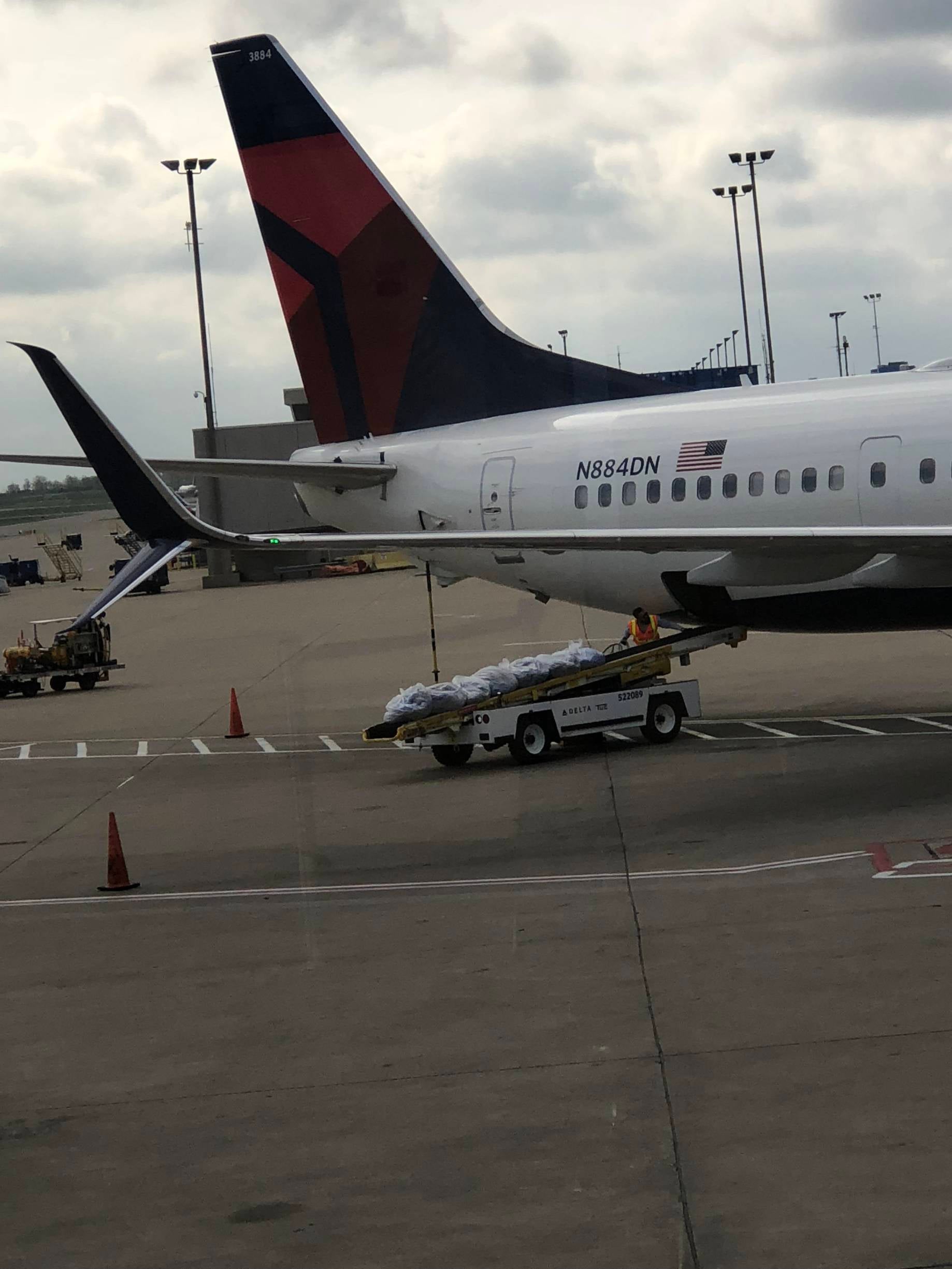
And as you can see in the video below, the tail stand is not really a stick, but a mechanical device. You can see it move as the weight shifts from aft to forward on this Alaska twinjet.
On some flights, particularly with lightly-loaded Boeing 737-900 and Dash-8 aircraft, the flight attendants will request that passengers move forward in the cabin and in some cases the airline dispatch team will request that ballast — sand bags or rubber planks — be loaded into the front cargo hold. I have personally been on a number of such flights in Canada where ballast needed to be loaded for weight and balance issues.
Mike Arnot is the founder of Boarding Pass NYC, a New York-based travel brand, and a marketing consultant to airlines, none of which appear in this story.
TPG featured card

at Capital One's secure site
Terms & restrictions apply. See rates & fees.
| 5X miles | Earn 5X miles on hotels, vacation rentals and rental cars booked through Capital One Travel |
| 2X miles | Earn unlimited 2X miles on every purchase, every day |
Pros
- Stellar welcome offer of 75,000 miles after spending $4,000 on purchases in the first three months from account opening. Plus, a $250 Capital One Travel credit to use in your first cardholder year upon account opening.
- You'll earn 2 miles per dollar on every purchase, which means you won't have to worry about memorizing bonus categories
- Rewards are versatile and can be redeemed for a statement credit or transferred to Capital One’s transfer partners
Cons
- Highest bonus-earning categories only on travel booked via Capital One Travel
- LIMITED-TIME OFFER: Enjoy $250 to use on Capital One Travel in your first cardholder year, plus earn 75,000 bonus miles once you spend $4,000 on purchases within the first 3 months from account opening - that’s equal to $1,000 in travel
- Earn unlimited 2X miles on every purchase, every day
- Earn 5X miles on hotels, vacation rentals and rental cars booked through Capital One Travel
- Miles won't expire for the life of the account and there's no limit to how many you can earn
- Receive up to a $120 credit for Global Entry or TSA PreCheck®
- Use your miles to get reimbursed for any travel purchase—or redeem by booking a trip through Capital One Travel
- Enjoy a $50 experience credit and other premium benefits with every hotel and vacation rental booked from the Lifestyle Collection
- Transfer your miles to your choice of 15+ travel loyalty programs
- Top rated mobile app