9 Tips for Train Travel in Japan
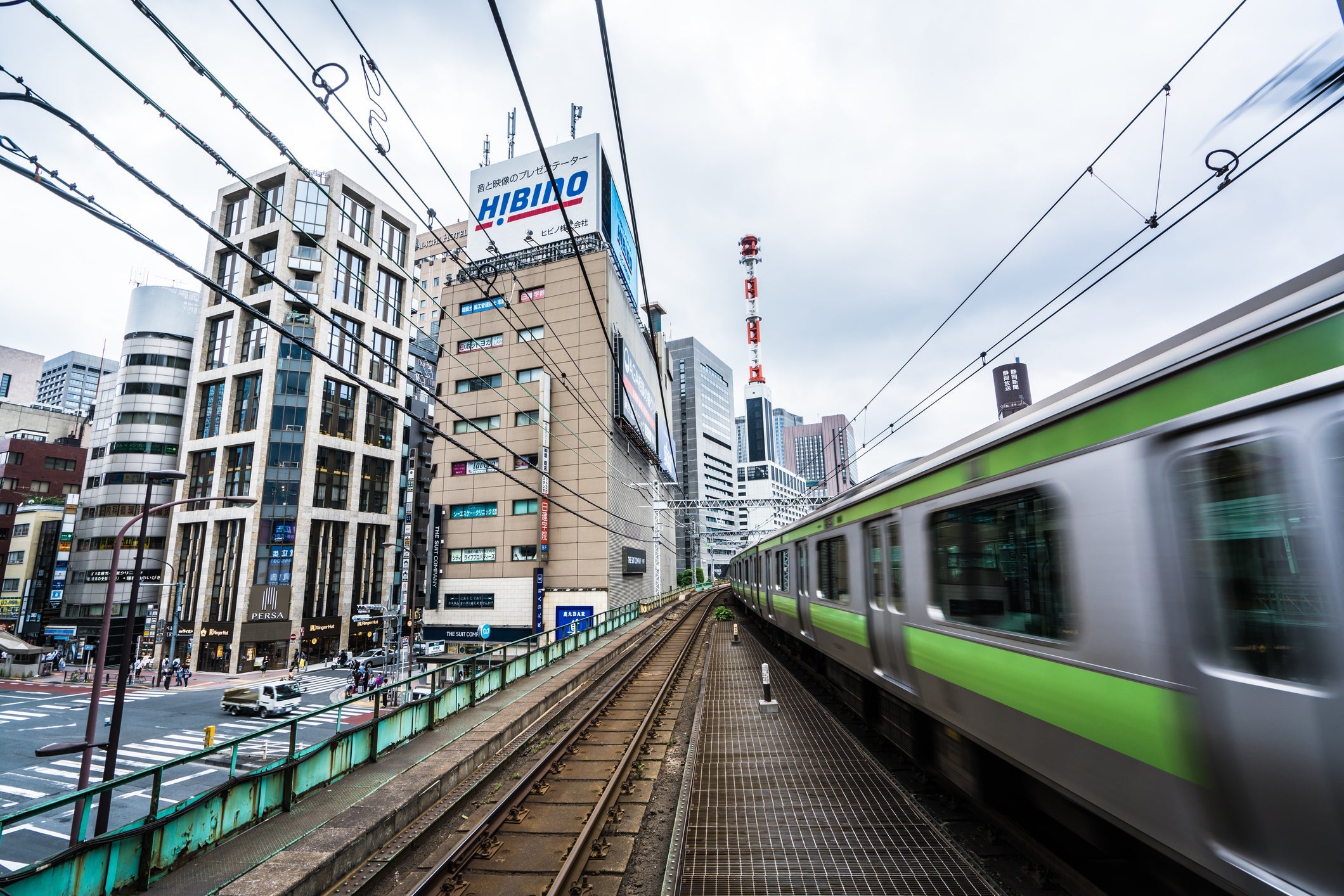
The future of train travel has already arrived in Japan. Accountable, on-time arrivals; exceptionally smooth, high-speed rides; gracious attendants who serve ice-cold Asahi — these are just a few of the reasons why train travel is the best way to see this amazing country. Here are nine tips to make your journey even easier.
1. Purchase Your JR Pass Ahead of Time
Save yourself time and purchase the Japan Rail Pass ahead of your trip. This special pass is only available to foreign tourists and Japanese citizens who are living abroad and meet special requirements, so if you fall under one of these categories, you can order it online, choosing from a 7-, 14- or 21-day pass. You'll receive an exchange order in the mail that you must validate at the airport or at a designated JR station before gaining access to the JR train lines.
2. There's an App for That
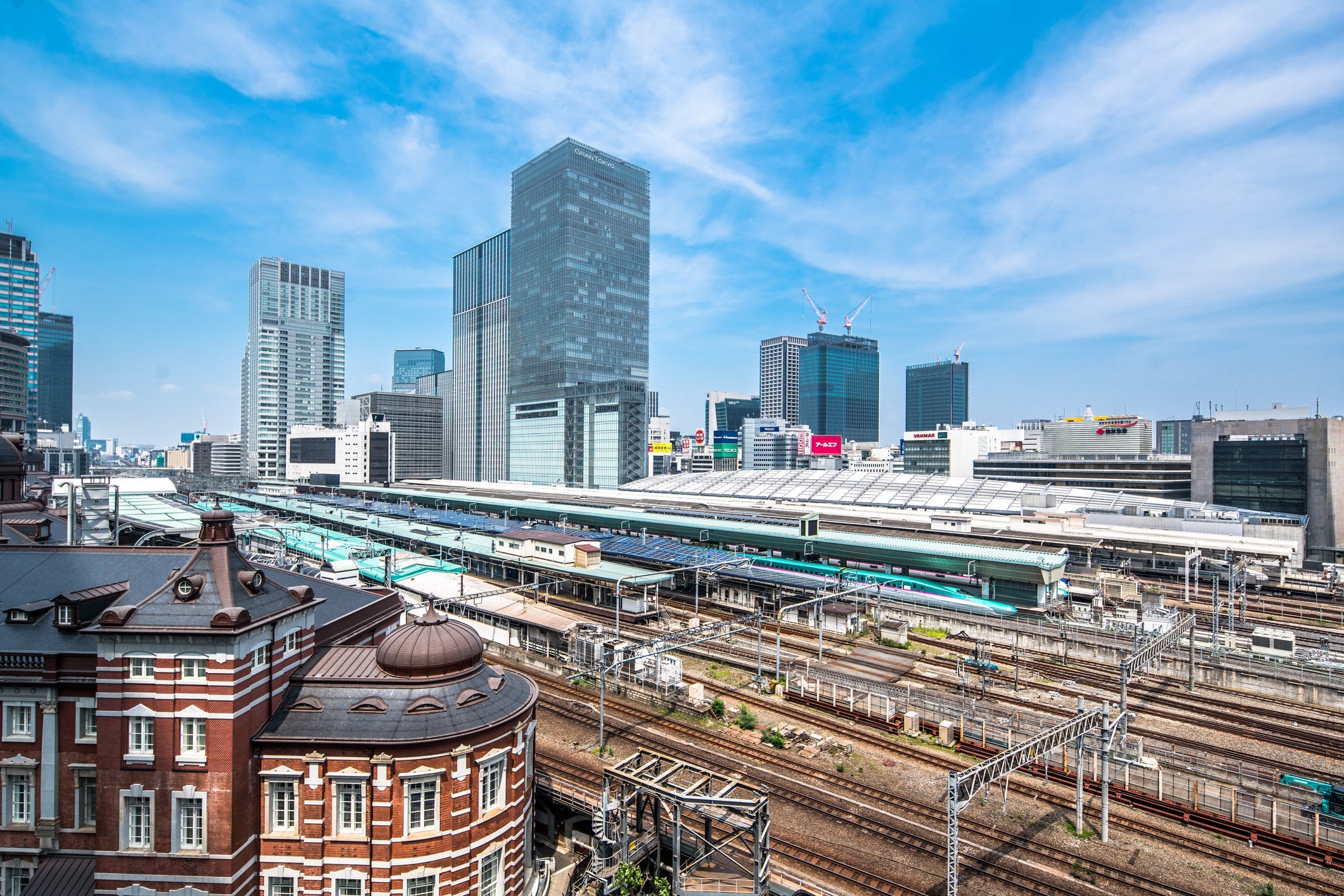
Download the HyperDia app, which lets you research train and subway times, plan your day's journey, know your exchanges and even find your platforms. Many of Japan's rail stations also accommodate a large number of privately run subway lines (more on that later), so it can take some time to traipse your way through them. Platform knowledge is power and will make your travels easier.
3. Make Reservations, When Necessary
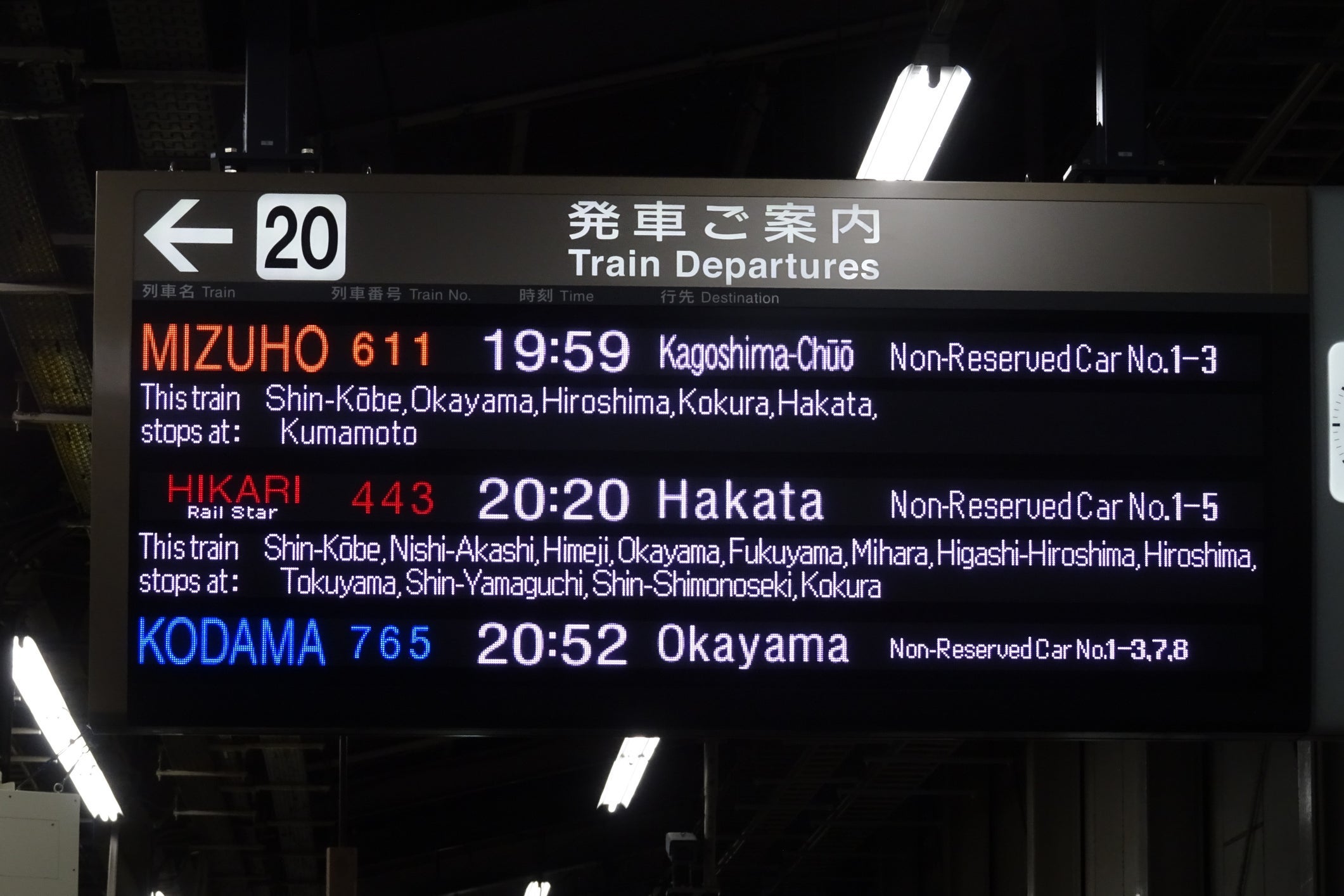
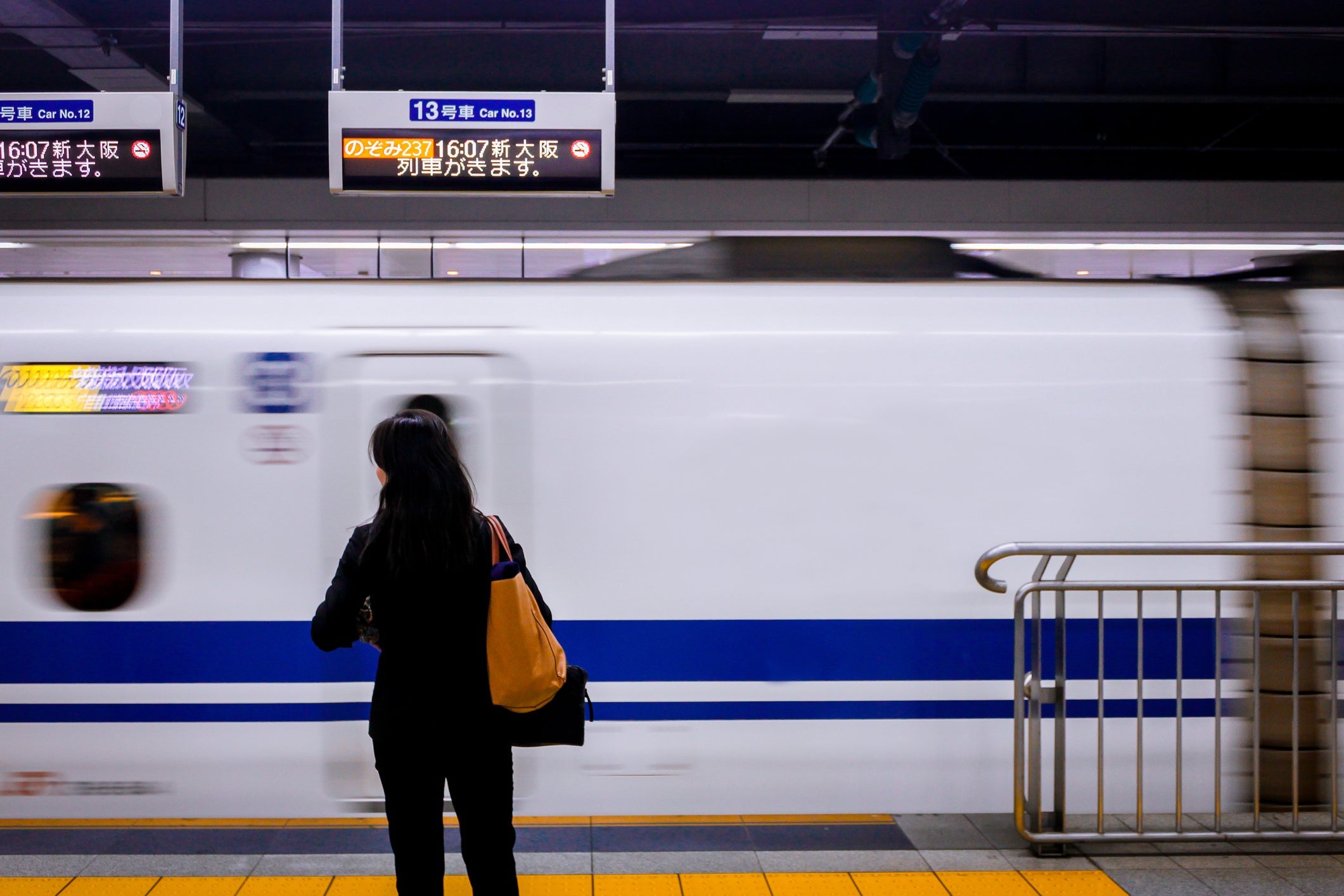
With the JR Pass, you have freedom to move about the country, but that doesn't mean you have free reign of the passenger cars. Pay attention to reserved, non-reserved and female-only cars — you'll see that last one on some subways. Certain trains require reservations — these restrictions are indicated on the overhead platform boards — and you'll need to visit the ticket office at the station to get on them. Even if you're not traveling on a reservation-only train, you can still reserve and guarantee your seat on a regular train by stopping in at a ticket office prior to departure. Bonus: There's no fee for making reservations.
4. Line Up Early
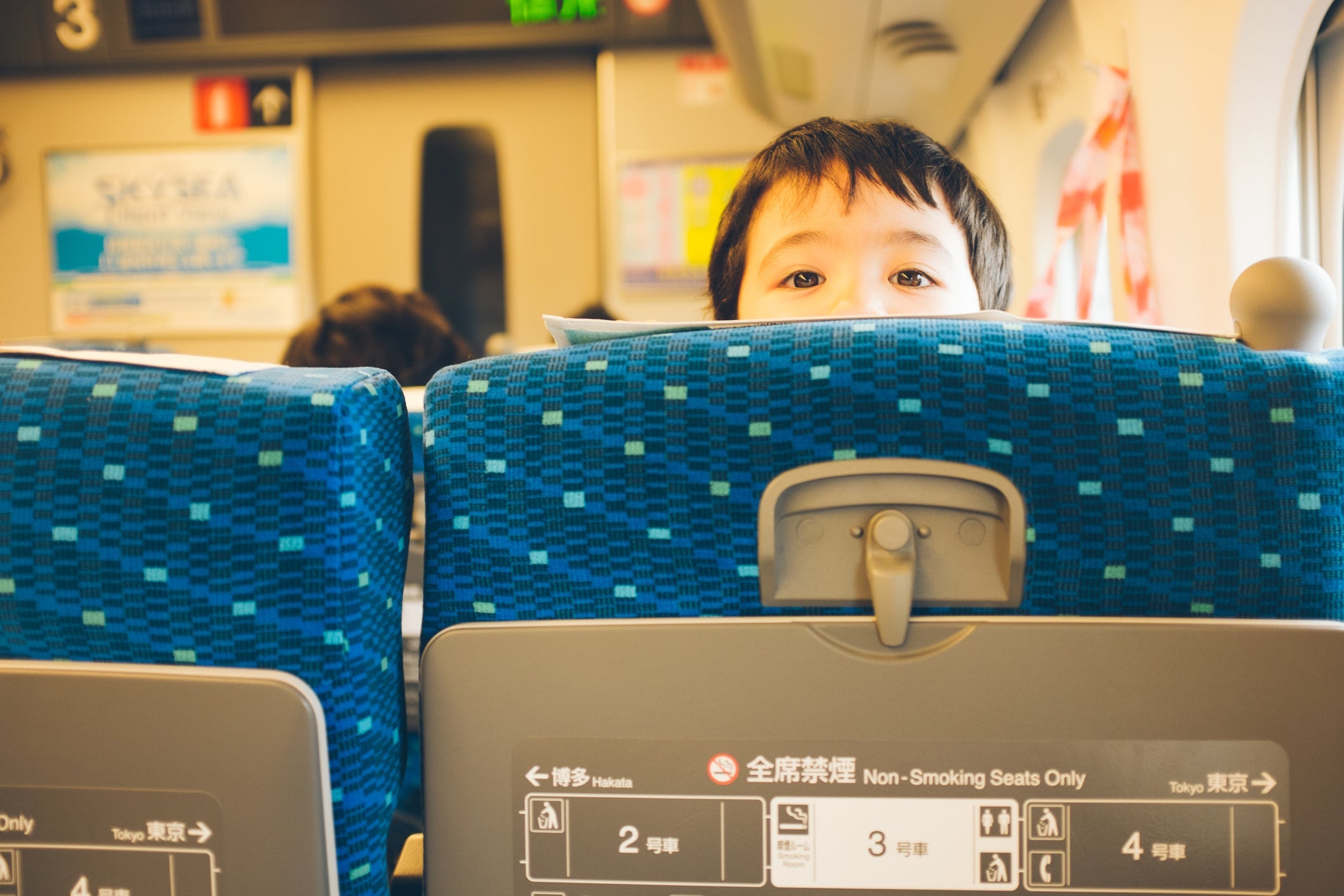
Generally, reserving a seat isn't necessary on non-reservation trains, but queuing early and in the designated lanes certainly is. When you access the train platform, boards will indicate which cars are for non-reservation passengers. By lining up early, you'll not only guarantee you get a seat, you'll also ensure you've left enough time to board the train. Japanese trains run on time every time so don't dawdle at the takeaway sushi bar lest you find yourself waiting for the next one.
5. Snacking and Sipping Are Encouraged
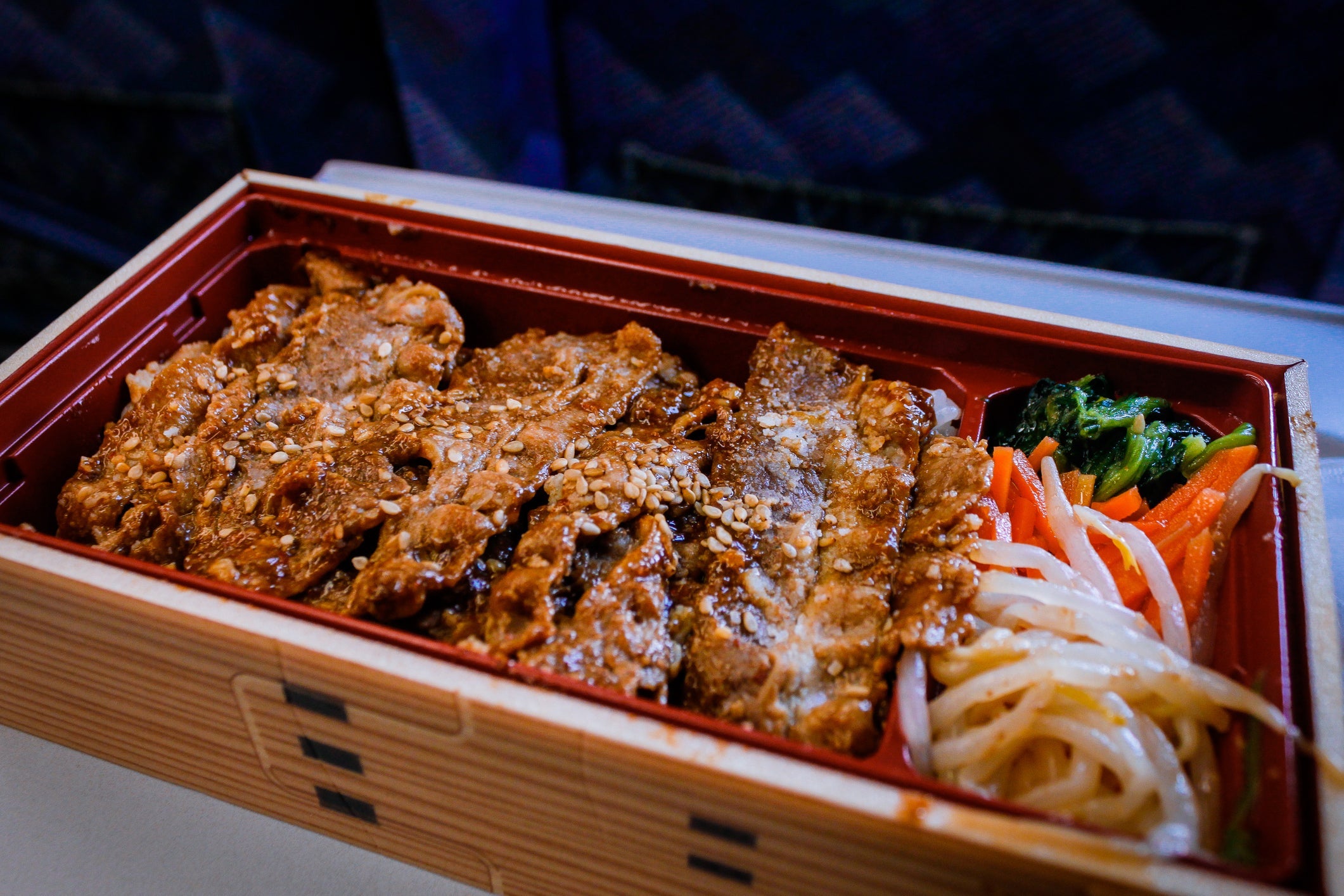
On most trains, an attendant will periodically pass through the aisles selling meals, snacks, soft drinks and adult beverages — you can also bring your own food on the train — so while your bullet train streaks across the countryside, you can kick back and relax with a plate of sushi and a can of locally brewed beer. Major stations will have takeaway food options featuring everything from snacks at 7-Eleven to specialty kiosks selling sushi and bento boxes.
6. Store Your Bags Where You're Supposed To
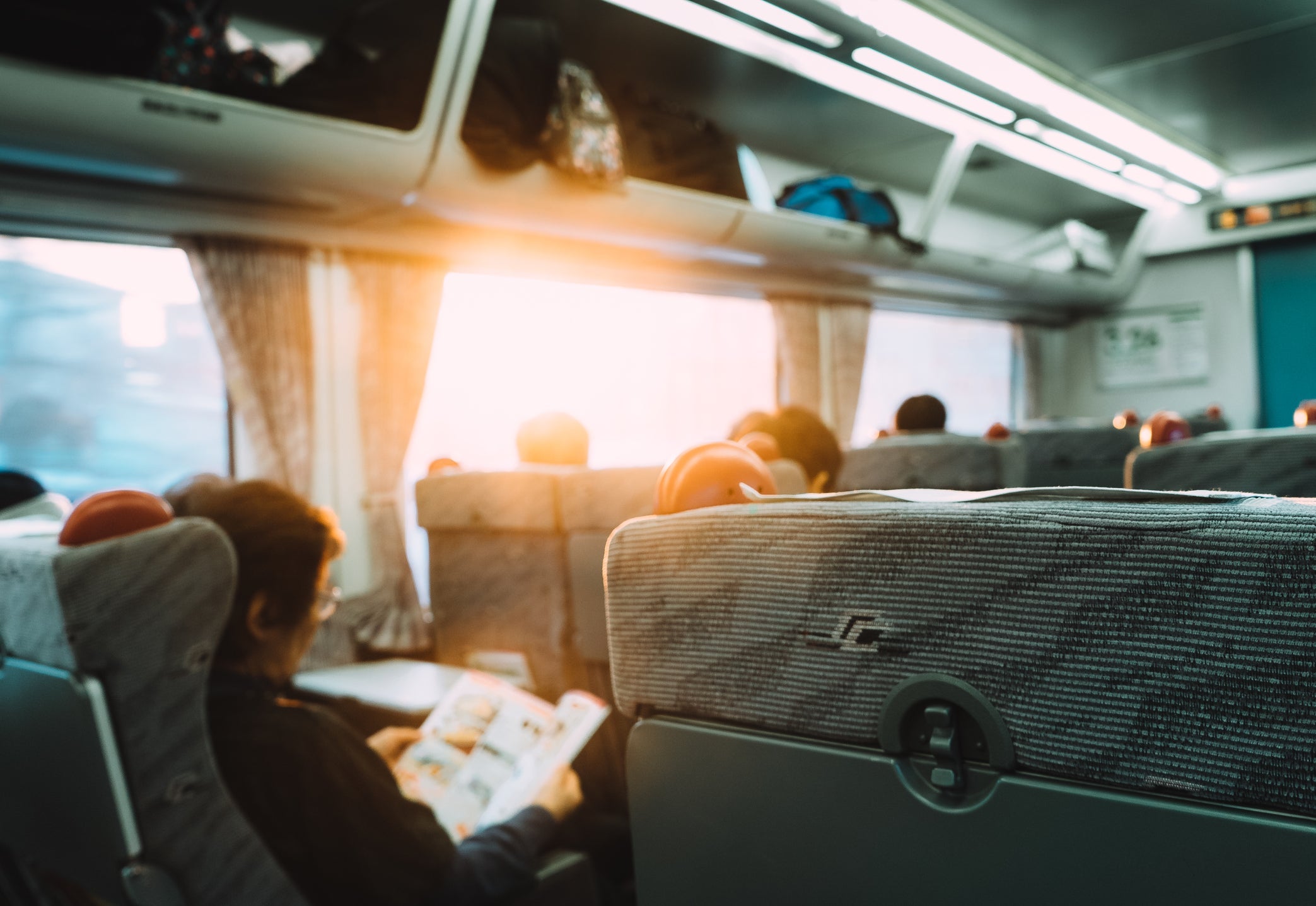
Unless a guardian suitcase angel appears to help you lift your 50-pound bag overhead, tuck your suitcase behind the last row of the car — that's what the space is intended for. And whatever you do, don't use an open seat for your luggage. Conductors will ask you to move your stuff, as trains fill up fast and seat space is at a premium.
7. Day Trips Made Easy
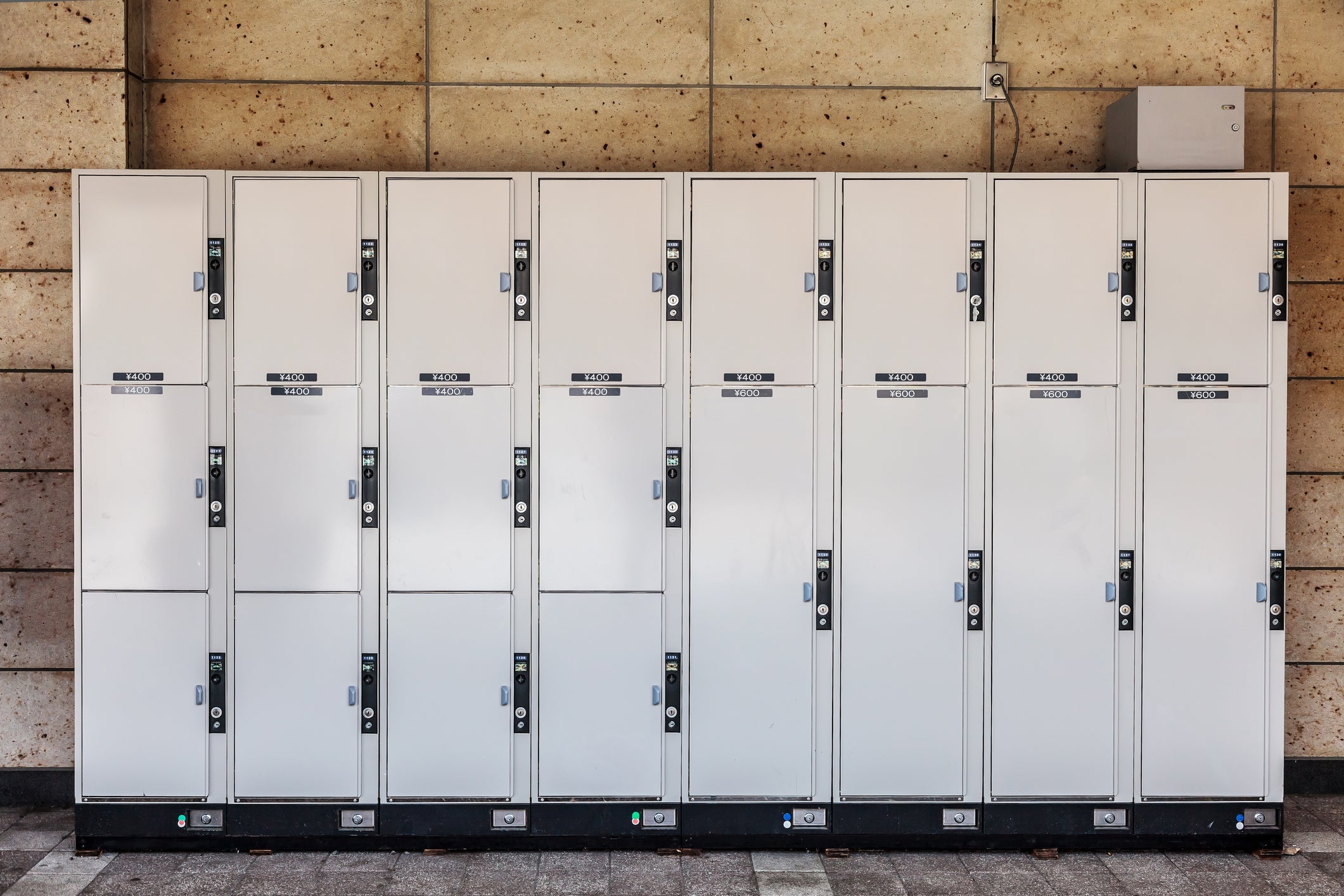
Not every city on your itinerary calls for an overnight stay, but doesn't the thought of lugging your suitcase around with you sound like, well, a drag? Fear not — train stations have lockers available for hourly rental, letting you make a pop into a town for a day trip without toting your bag the whole time. Lockers are big enough to fit a 50-pound bag and come with easy-to-use instructions in English, to boot.
8. Avoid Extra Fees
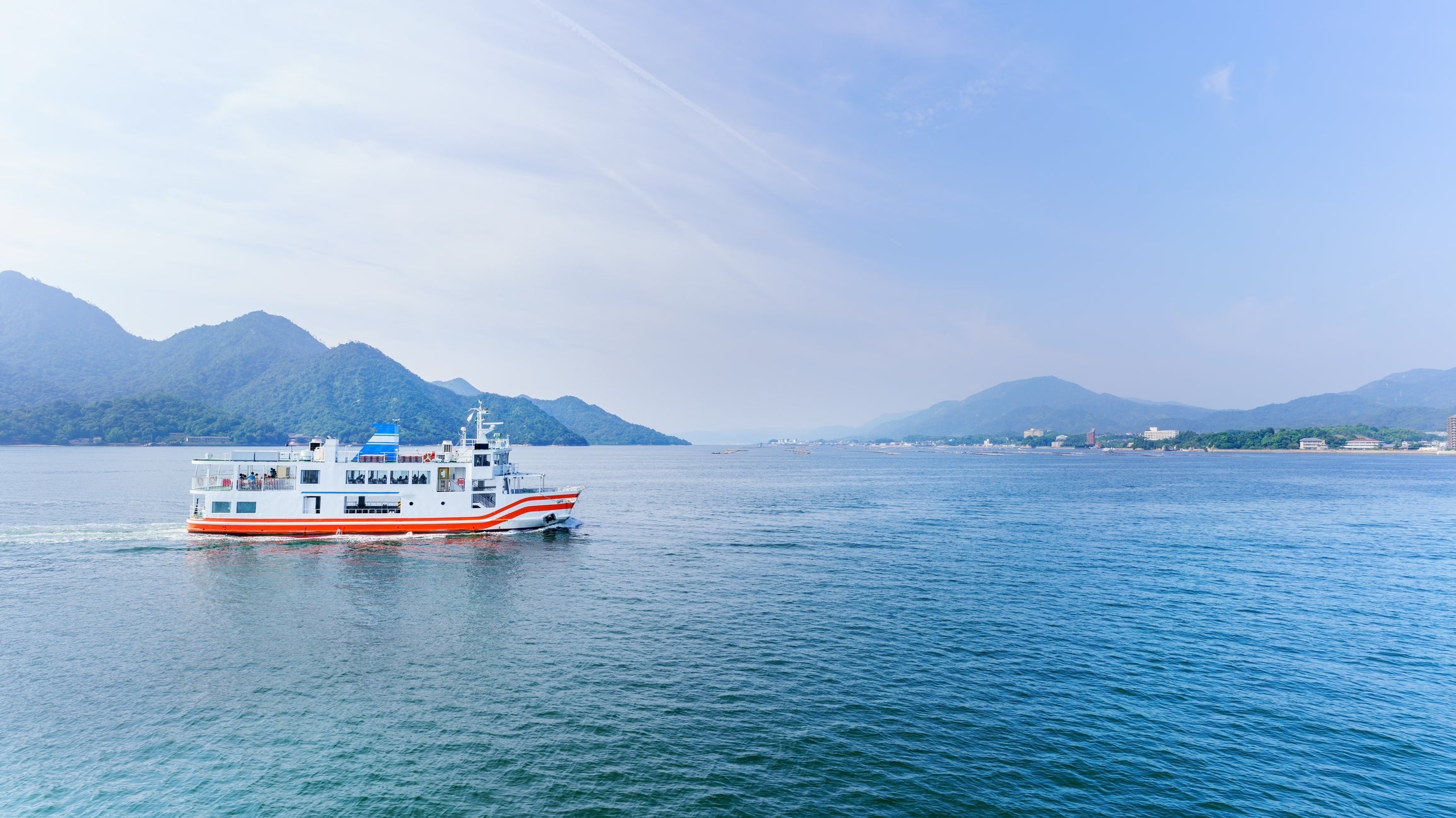
The JR Pass, while expansive, doesn't allow you access to every rail line so pay attention so you avoid boarding a train that may incur an additional fee. Your rail pass will list the exact train lines you have access to, but generally only applies to JR bullet trains, JR express trains, JR local trains, JR buses, the Tokyo Monorail and the Miyajima ferry.

9. Plan to Ride Private Subways
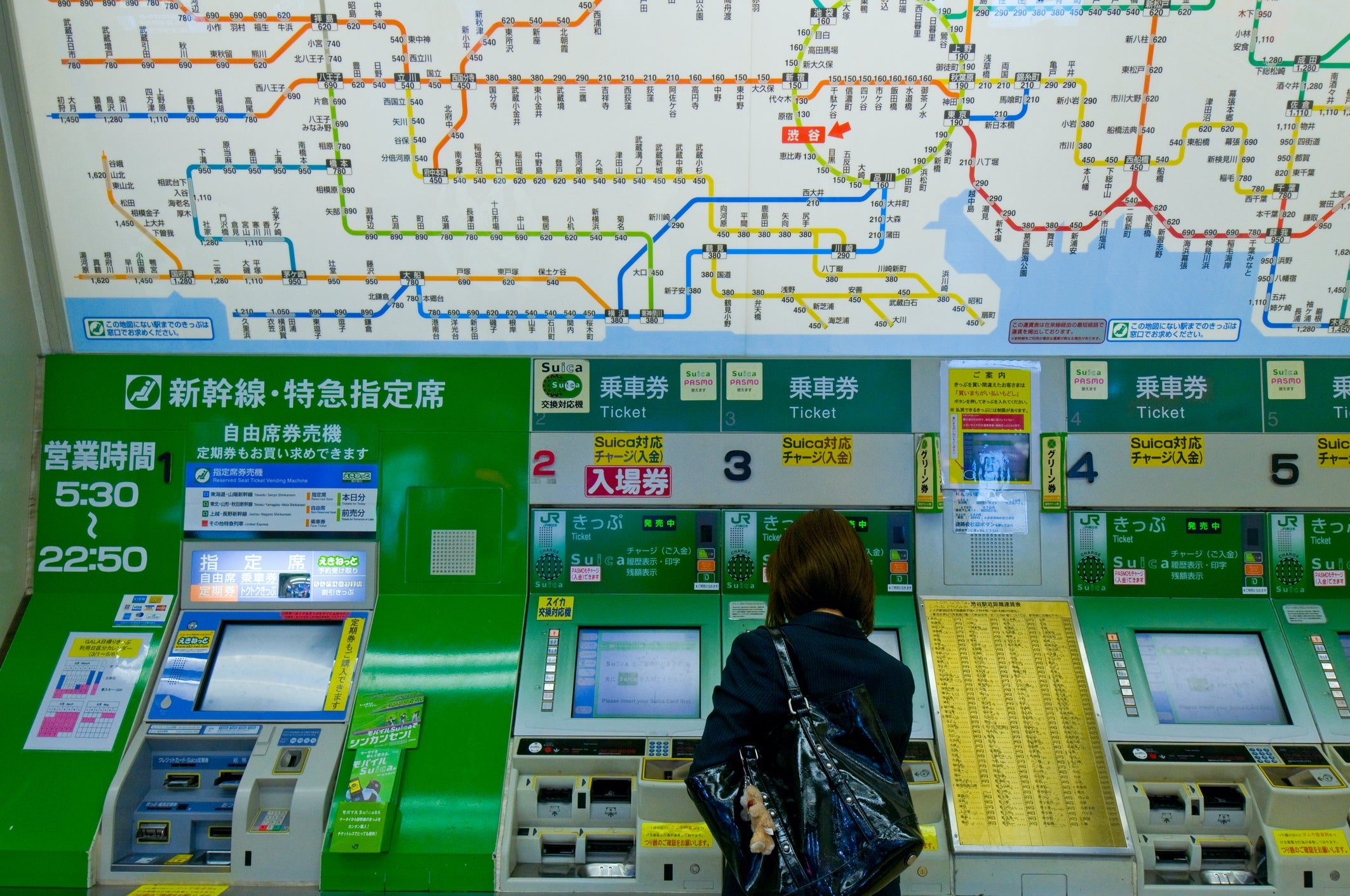
Unlike the metro systems of New York City or London, Japan's subway lines are privately owned, meaning you'll potentially need to buy individual one-way tickets for every journey you take. However, a better option is to buy a Suica pass or a PASMO card. Both are electronic prepaid cards which can be used on subways, buses and the JR East (and even at vending machines and some convenience stores as well) in many major cities.
What are some of your favorite things to do in Japan? Sound off, below.
This story has been updated to include Suica passes and PASMO cards as better options for paying for travel on the subway system.
TPG featured card

at Capital One's secure site
Terms & restrictions apply. See rates & fees.
| 5X miles | Earn 5X miles on hotels, vacation rentals and rental cars booked through Capital One Travel |
| 2X miles | Earn unlimited 2X miles on every purchase, every day |
Pros
- Stellar welcome offer of 75,000 miles after spending $4,000 on purchases in the first three months from account opening. Plus, a $250 Capital One Travel credit to use in your first cardholder year upon account opening.
- You'll earn 2 miles per dollar on every purchase, which means you won't have to worry about memorizing bonus categories
- Rewards are versatile and can be redeemed for a statement credit or transferred to Capital One’s transfer partners
Cons
- Highest bonus-earning categories only on travel booked via Capital One Travel
- LIMITED-TIME OFFER: Enjoy $250 to use on Capital One Travel in your first cardholder year, plus earn 75,000 bonus miles once you spend $4,000 on purchases within the first 3 months from account opening - that’s equal to $1,000 in travel
- Earn unlimited 2X miles on every purchase, every day
- Earn 5X miles on hotels, vacation rentals and rental cars booked through Capital One Travel
- Miles won't expire for the life of the account and there's no limit to how many you can earn
- Receive up to a $120 credit for Global Entry or TSA PreCheck®
- Use your miles to get reimbursed for any travel purchase—or redeem by booking a trip through Capital One Travel
- Enjoy a $50 experience credit and other premium benefits with every hotel and vacation rental booked from the Lifestyle Collection
- Transfer your miles to your choice of 15+ travel loyalty programs
- Top rated mobile app