Yes, you still have to put your phone in airplane mode on an airplane
Editor's Note
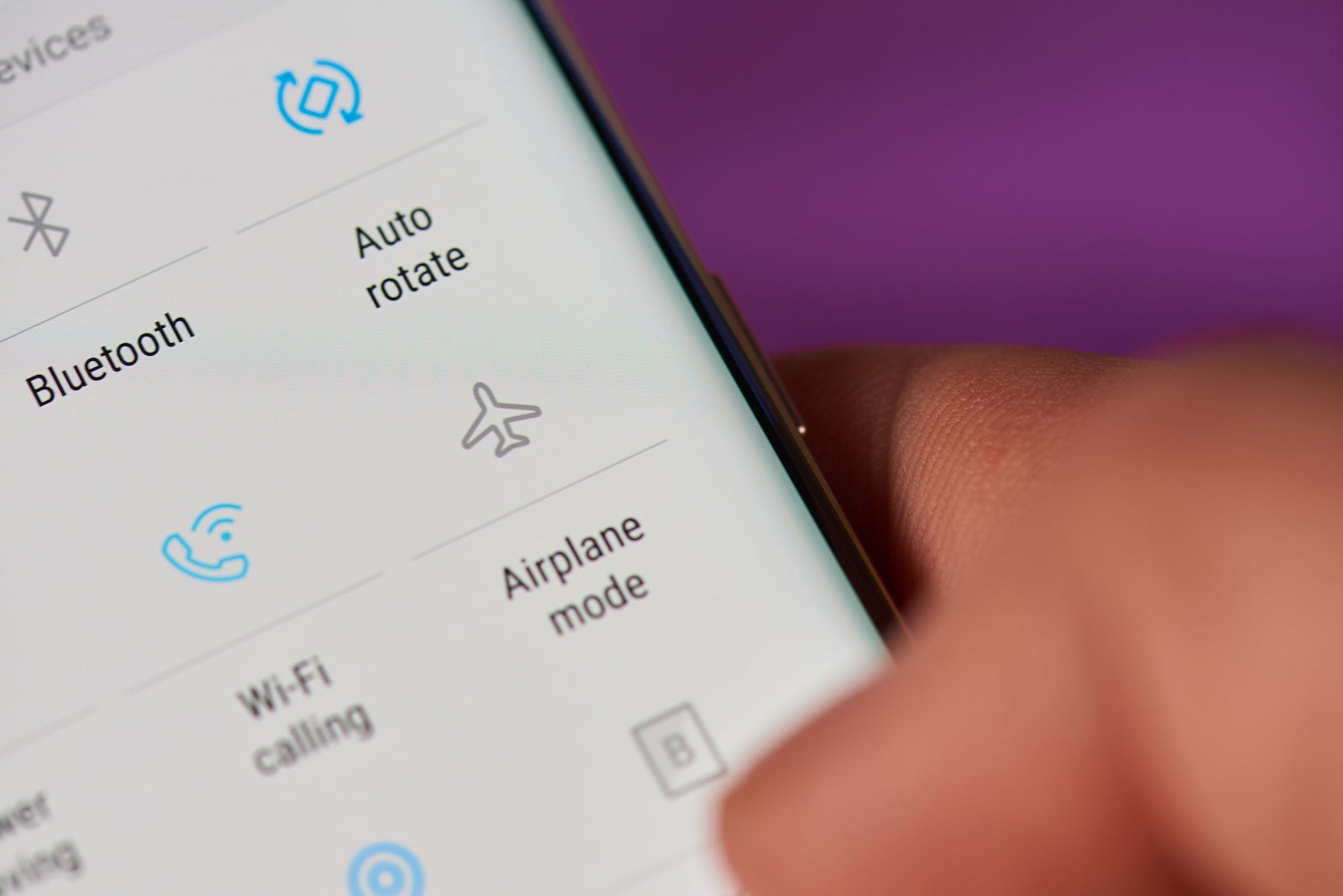
By now, we're all familiar with the overhead announcement that typically comes after boarding is complete: "Please turn off your phone or put it on airplane mode." The question is, do you really have to?
The simple answer is yes, you have to put your phone in airplane mode on a plane. Why? Because the Federal Aviation Administration mandates it. FAA regulations require all passengers to put their phones in airplane mode while in the air.
"The FCC [Federal Communications Commission] and FAA ban cell phones for airborne use because its signals could interfere with critical aircraft instruments. Devices must be used in airplane mode or with the cellular connection disabled," per the FAA website.
That's why airlines make that announcement during every flight. The concern is that cell signals could potentially interfere with navigation and communication systems. That's a perfectly reasonable assumption, and it's one that many people have held since the dawn of the cellphone era. However, there is little evidence to support the premise that cellphone signals interfere with a plane's navigation or communications systems.
The FAA actually did a study on this back in 2012. The report found practically no instances where cellphone usage disrupted an aircraft. Cellphones have become even more embedded in modern society since then, and technology has continued to advance. We're in the 5G era now, and the thinking about cellphone use while on a plane has evolved. In 2022, Europe approved the use of cellphones on planes through 5G connectivity for calls and data usage.
The EU decision is in sharp contrast to the stance of U.S. authorities, who were once so concerned about 5G antennas on the ground interfering with airplane operations that it led to flight cancellations and diversions. However, 5G signals use different frequency bands than airplane communications systems, minimizing the risk of interference. Still, the increased sophistication of modern aircraft and their automated systems has not diminished some people's concerns that cellphone signals could interfere with an airplane's systems.
In fact, a pilot recently went viral on TikTok for a video he posted where he urged passengers to use airplane mode. He said "it's not a conspiracy," but a legitimate safety issue.
You may be wondering why cellphone signals are considered a potential risk, but Wi-Fi signals (which most planes offer) aren't. This is because Wi-Fi operates at lower strength and on different frequencies than cellphones.
But the true reason why you'll most likely still have to use airplane mode for the foreseeable future is because the FAA does not want to risk doing anything that would add to the stress of air travel. "I expect that the ban on voice calls and video calls will remain in place, at least for the foreseeable future, simply because airplanes are crowded shared environments," Henry Harteveldt, an aviation industry analyst for San Francisco-based Atmosphere Research Group, said. "Even on a good day, there's tension in the cabin from people given how full aircraft airline flights are."

Harteveldt added that he doubts the airline industry is in any rush to change the rules. "The airlines want the FAA to leave this in place because that way, when passengers complain, they can point the finger to the FAA and say, 'Well, we hear you, but it's their fault,'" he said.
For the airlines, the airplane mode mandate saves them the trouble of being the bad guy, and it also acts as a peacekeeping method that helps keep the friendly skies ... friendly.
"The airlines are probably telling the FAA, 'don't you dare change this policy,'" Harteveldt said. "I don't believe that airlines or the FAA want to risk further aggravating passengers by subjecting them to listening to their neighbor's conversations in an enclosed space where you literally have no room to escape."
Related reading:
- When is the best time to book flights for the cheapest airfare?
- The best airline credit cards
- What exactly are airline miles, anyway?
- 6 real-life strategies you can use when your flight is canceled or delayed
- Maximize your airfare: The best credit cards for booking flights
- The best credit cards to reach elite status
- What are points and miles worth? TPG's monthly valuations
TPG featured card

at Capital One's secure site
Terms & restrictions apply. See rates & fees.
| 5X miles | Earn 5X miles on hotels, vacation rentals and rental cars booked through Capital One Travel |
| 2X miles | Earn unlimited 2X miles on every purchase, every day |
Pros
- Stellar welcome offer of 75,000 miles after spending $4,000 on purchases in the first three months from account opening. Plus, a $250 Capital One Travel credit to use in your first cardholder year upon account opening.
- You'll earn 2 miles per dollar on every purchase, which means you won't have to worry about memorizing bonus categories
- Rewards are versatile and can be redeemed for a statement credit or transferred to Capital One’s transfer partners
Cons
- Highest bonus-earning categories only on travel booked via Capital One Travel
- LIMITED-TIME OFFER: Enjoy $250 to use on Capital One Travel in your first cardholder year, plus earn 75,000 bonus miles once you spend $4,000 on purchases within the first 3 months from account opening - that’s equal to $1,000 in travel
- Earn unlimited 2X miles on every purchase, every day
- Earn 5X miles on hotels, vacation rentals and rental cars booked through Capital One Travel
- Miles won't expire for the life of the account and there's no limit to how many you can earn
- Receive up to a $120 credit for Global Entry or TSA PreCheck®
- Use your miles to get reimbursed for any travel purchase—or redeem by booking a trip through Capital One Travel
- Enjoy a $50 experience credit and other premium benefits with every hotel and vacation rental booked from the Lifestyle Collection
- Transfer your miles to your choice of 15+ travel loyalty programs
- Top rated mobile app