This content is hosted by X.
View this post on XThe carrier's planning to purchase more than 33 million gallons of blended renewable jet fuel per year for at least 10 years. The blended fuel will consist of 30% renewable jet fuel and 70% traditional Jet-A fuel and can significantly reduce aircraft emissions. The renewable fuel JetBlue is getting from SG Preston will not have any impact on performance or safety of the carrier's aircraft.

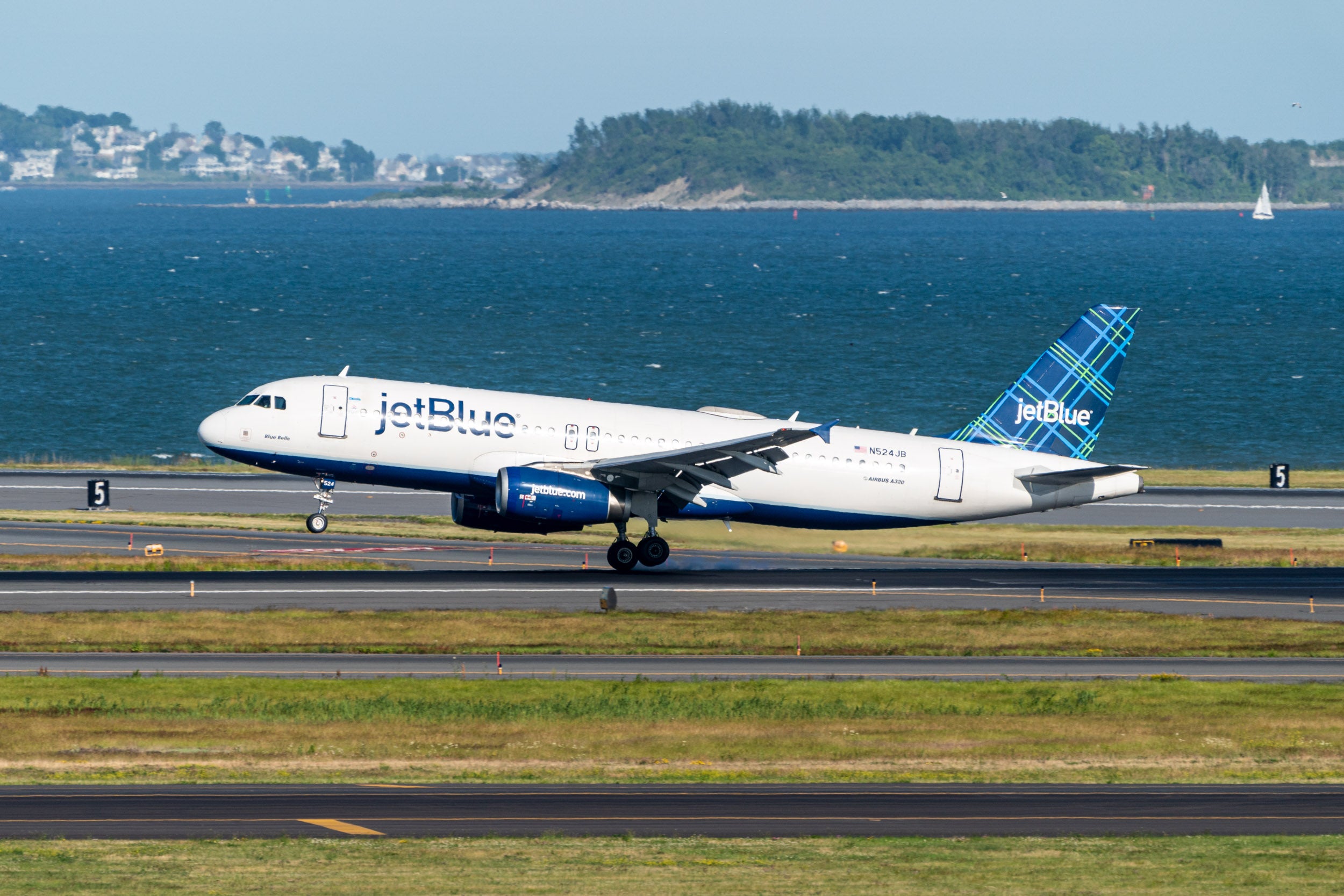
This more eco-friendly fuel could especially help the carrier in reducing emissions if it were to invest in larger aircraft as part of its plans to potentially expand its route network. At a conference in California this week, a JetBlue executive noted that the carrier was debating how best to go about expanding — potentially to Europe and deeper into South America (Brazil, Chile and Argentina). JetBlue operates a fleet of A320 and A321 aircraft, which aren't capable of flying long distances, so the airline is looking at investing in longer-range aircraft.
The most obvious choice for JetBlue would be to order Airbus A321LRs, which will be available in 2019, as JetBlue's contract with Airbus allows it to switch to the long-range A321LR. However, the carrier could opt for a wide-body aircraft for its long-haul flights, such as the A330 or Boeing 787.
JetBlue's move to become more eco-friendly with its renewable jet fuel agreement, and to consider expanding to Europe and deeper into South America, a are ultimately wins for customers and shareholders alike. JetBlue plans to lower its Co2 emissions by 50% or more per gallon before blending with the new renewable fuel, which it considers "a proactive step to address customer demand and protect our business and the future of our industry."
Would you fly a renewable-fuel-powered JetBlue Dreamliner?
[card card-name='Chase Sapphire Preferred® Card' card-id='221210132' type='javascript' bullet-id='1']