How DOT Rules Have Made Delays Worse


Six years ago, the US Department of Transportation announced new rules to regulate flight delays. The rules stated that airlines couldn't let aircraft remain on the tarmac at US airports for more than three hours — four hours for international flights — without deplaning passengers.
Furthermore, the rules required airlines "to provide adequate food and potable drinking water for passengers within two hours of the aircraft being delayed on the tarmac and to maintain operable lavatories and, if necessary, provide medical attention."
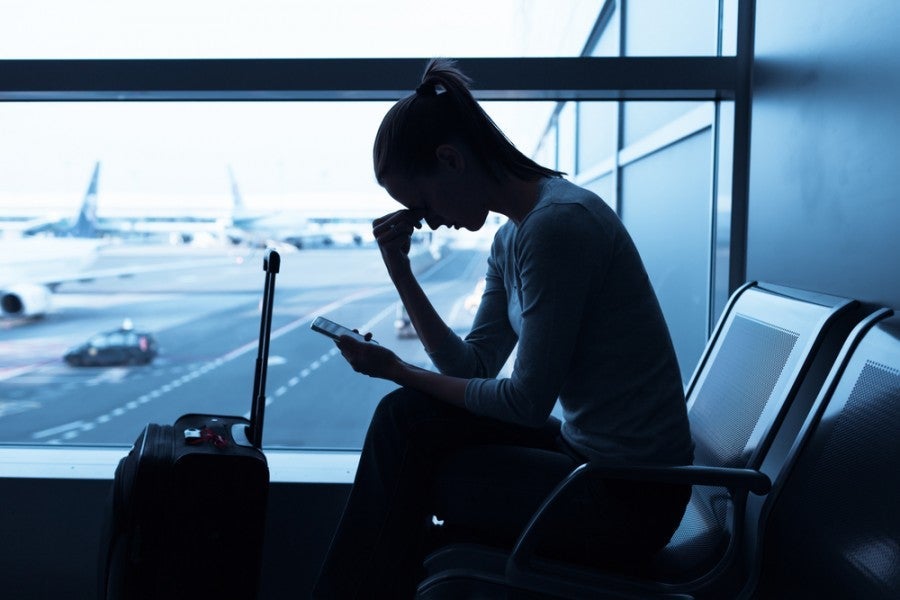
These rules came as a result of what had become a chronic problem of serious tarmac delays. From January to June 2009, 613 domestic flights were held on the tarmac for three hours or more, and these delays were affecting about 100,000 passengers annually.
Passenger rights advocates cheered these rules, as they logically should help travelers have a better travel experience. The DOT has issued fines to violating airlines, like $1.1 million to United in 2013, which should certainly incentivize carriers to take the rule seriously.
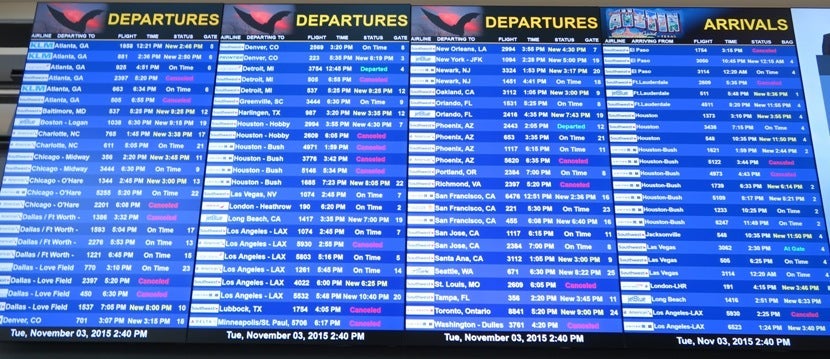
However, the overall effects haven't been as positive as one would expect. In fact, they've actually been negative!
Last month, a Dartmouth/MIT study was released showing that, "Overall, the rule is estimated to have significantly increased passenger delays, especially for passengers scheduled to travel on the flights that are at risk of long tarmac delays."
How can that be? Well, instead of risking getting a fine of up to $27,500 per passenger, airlines are much more willing to simply cancel the flight.

If you've ever been on a canceled flight — especially on a lightly serviced route — you know how that can end up: lengthy lines and long wait times to rebook, sometimes even requiring re-routing the long way.
Indeed, this is just what the authors of the study noted:

The results show that the rule has been highly effective in decreasing tarmac delays, especially long delays, but each passenger-minute of tarmac time saving is achieved at the cost of an increase of approximately three passenger-minutes in total passenger delays. This is due primarily to increases in flight cancellations, resulting in passengers requiring rebooking and often leading to extensive delays in reaching their final destinations.
In order to avoid passengers being stranded overnight, the study suggests amending the rule to exempt flights with scheduled departures after 5pm. Also, the study suggests lengthening the allowable time to 3.5 hours from 3 hours and stopping the time accrual when the plane starts to head to a gate.
Have you ever been trapped on a plane during a tarmac delay? What do you think about these recommendations?
H/T: Travel Weekly
TPG featured card

at Capital One's secure site
Terms & restrictions apply. See rates & fees.
| 5X miles | Earn 5X miles on hotels, vacation rentals and rental cars booked through Capital One Travel |
| 2X miles | Earn unlimited 2X miles on every purchase, every day |
Pros
- Stellar welcome offer of 75,000 miles after spending $4,000 on purchases in the first three months from account opening. Plus, a $250 Capital One Travel credit to use in your first cardholder year upon account opening.
- You'll earn 2 miles per dollar on every purchase, which means you won't have to worry about memorizing bonus categories
- Rewards are versatile and can be redeemed for a statement credit or transferred to Capital One’s transfer partners
Cons
- Highest bonus-earning categories only on travel booked via Capital One Travel
- LIMITED-TIME OFFER: Enjoy $250 to use on Capital One Travel in your first cardholder year, plus earn 75,000 bonus miles once you spend $4,000 on purchases within the first 3 months from account opening - that’s equal to $1,000 in travel
- Earn unlimited 2X miles on every purchase, every day
- Earn 5X miles on hotels, vacation rentals and rental cars booked through Capital One Travel
- Miles won't expire for the life of the account and there's no limit to how many you can earn
- Receive up to a $120 credit for Global Entry or TSA PreCheck®
- Use your miles to get reimbursed for any travel purchase—or redeem by booking a trip through Capital One Travel
- Enjoy a $50 experience credit and other premium benefits with every hotel and vacation rental booked from the Lifestyle Collection
- Transfer your miles to your choice of 15+ travel loyalty programs
- Top rated mobile app