The Points Guy believes that credit cards can transform lives, helping you leverage everyday spending for cash back or travel experiences that might otherwise be out of reach. That's why we publish a variety of editorial content and card comparisons: to help you find a great card to turn your goals into reality.
Our site may earn compensation when a customer clicks on a link, when an application is approved, or when an account is opened with our partners, and this may impact how or where these products appear. While we don't cover all available credit cards, our editorial team creates and maintains all of the analysis of these cards, and our content is not influenced nor subject to review by any credit card company, bank or partner prior to (or after) publication. Please view our advertising policy and product review methodology for more information.
Advertiser disclosure
The Points Guy believes that credit cards can transform lives, helping you leverage everyday spending for cash back or travel experiences that might otherwise be out of reach. That's why we publish a variety of editorial content and card comparisons: to help you find a great card to turn your goals into reality.
Our site may earn compensation when a customer clicks on a link, when an application is approved, or when an account is opened with our partners, and this may impact how or where these products appear. While we don't cover all available credit cards, our editorial team creates and maintains all of the analysis of these cards, and our content is not influenced nor subject to review by any credit card company, bank or partner prior to (or after) publication. Please view our advertising policy and product review methodology for more information.
The cards we feature here are from partners who compensate us when you are approved through our site, and this may impact how or where these products appear. We don't cover all available credit cards, but our analysis, reviews, and opinions are entirely from our editorial team. Terms apply to the offers listed on this page. Please view our advertising policy and product review methodology for more information.
Editorial note: This is a recurring post, updated with new information.
Editorial disclaimer: Opinions expressed here are the author's alone, not those of any bank, credit card issuer, airline or hotel chain, and have not been reviewed, approved or otherwise endorsed by any of these entities.
Comments
By commenting, you agree to our Community Guidelines to help create a positive space for conversation. The responses below are not provided or commissioned by the bank advertiser, our partners, or The Points Guy (“TPG”). They have not been reviewed, approved, or otherwise endorsed by any of these parties. All responses are submitted by individual contributors, and neither the bank advertiser, our partners, nor TPG are responsible for ensuring that all posts and/or questions are answered.
Related stories
Quick summary
Spain's lesser-known villages, or pueblos, offer a tranquil alternative to the country's bustling cities and popular tourist spots.
The article highlights 15 picturesque villages across Spain, each with unique features such as medieval castles, seaside views, and traditional architecture.
Many of these villages are accessible by public transport, but renting a car is recommended for greater flexibility and ease of travel.
Destinations range from mountain retreats to coastal gems, appealing to travelers seeking culture, history, and scenic beauty.
What to consider
Some villages require navigating steep streets or mountain roads, so comfortable footwear and confident driving are advised.
Public transportation options exist, but schedules and routes may be limited, making a rental car more practical for visiting multiple locations.
Seasonal events or local festivals may affect crowds and availability, so advance planning is recommended.
What you'll miss from the article
Detailed descriptions of each village's standout attractions, local cuisine, and tips for making the most of your visit.
Generated by AI with support from our editorial team.
Spain's greatest cities need no introduction. There's regal Madrid with its art-filled museums, Barcelona's fantastical architecture and Seville's emotive flamenco, all iconic stops for first-time visitors to this vast, culturally rich and alluring Mediterranean destination.
Last year, an unprecedented number of Americans flocked to Europe and that trend looks set to continue, with the Paris Olympics estimated to draw over 15 million tourists over two weeks and the Taylor Swift frenzy set to sweep across the continent. It's times like these that great rewards lie in opting for something smaller and a little more off the beaten path: un pueblo.
Many of Spain's villages — pueblos — are exceptionally beautiful. In fact, there are so many gorgeous Spanish villages that it was difficult to narrow down this list.
But we've selected 15 of the most stunning for you to have a calm and relaxing vacation. Some are in the mountains, some close to the seaside and some just a quick hop from major cities.
Although many of these destinations are accessible by public transport (buses and trains), it may be best to rent a car in order to visit these villages with more ease.
Altea, Comunidad Valenciana
JUAN REIG PEIRO/GETTY IMAGES
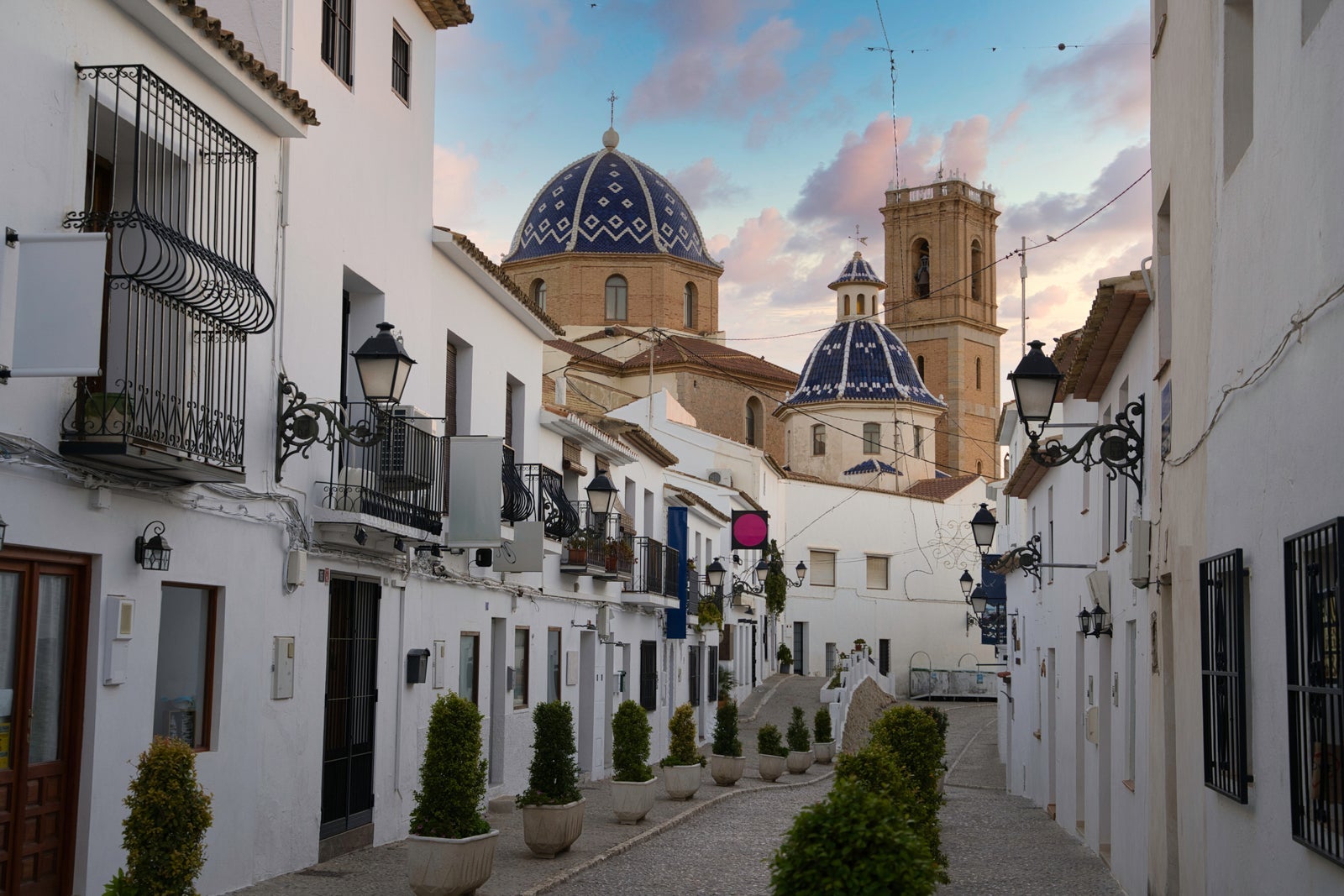
Take a break from the all-inclusive beach-and-beers fun in Benidorm to visit the sparkling seaside village of Altea. Just a 20-minute drive from Benidorm, this hilltop village couldn't be more different from the high-rises of its neighboring beach towns.
Wander the rocky coastline, then walk up the steep steps to the old town. Make sure to admire the Church of the Virgin Consuelo — its blue dome, brightly juxtaposed against the whitewashed walls, is reminiscent of the Greek islands.
Albarracin, Aragon
ANDREA COMI/GETTY IMAGES
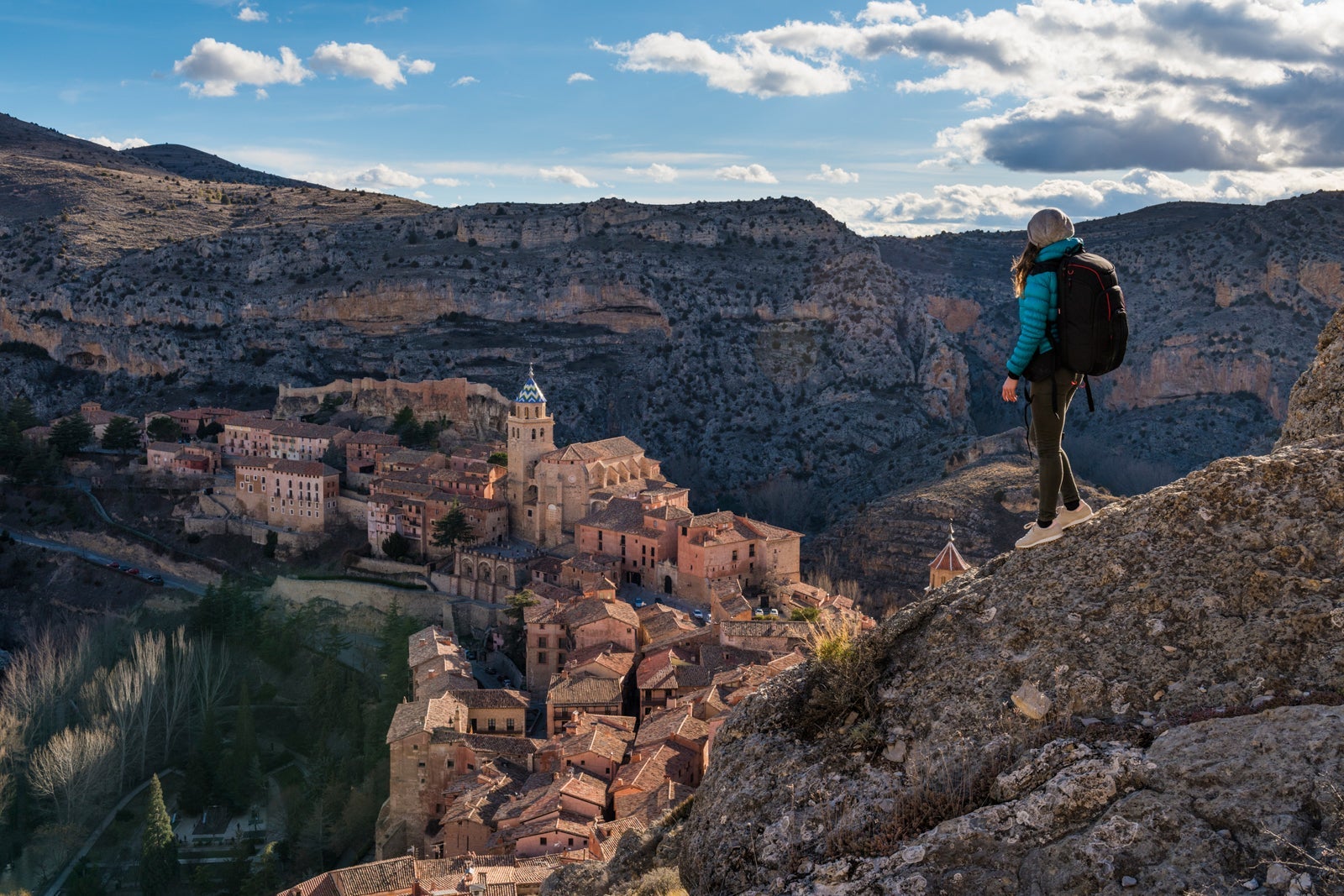
Perched at almost 4,000 feet, the medieval walled village of UNESCO-inscribed Albarracin unfurls around its alcazar (Moorish castle) along the Guadalaviar River.
The citadel, main square and cathedral are the hot spots to see, but meandering the cobblestone streets and getting a little lost may be the best way to enjoy the village.
Frequently referred to as the most beautiful village in Spain, Albarracin's crumbling stone buildings and tiny alleyways don't disappoint. Just come ready to climb and wear appropriate footwear.
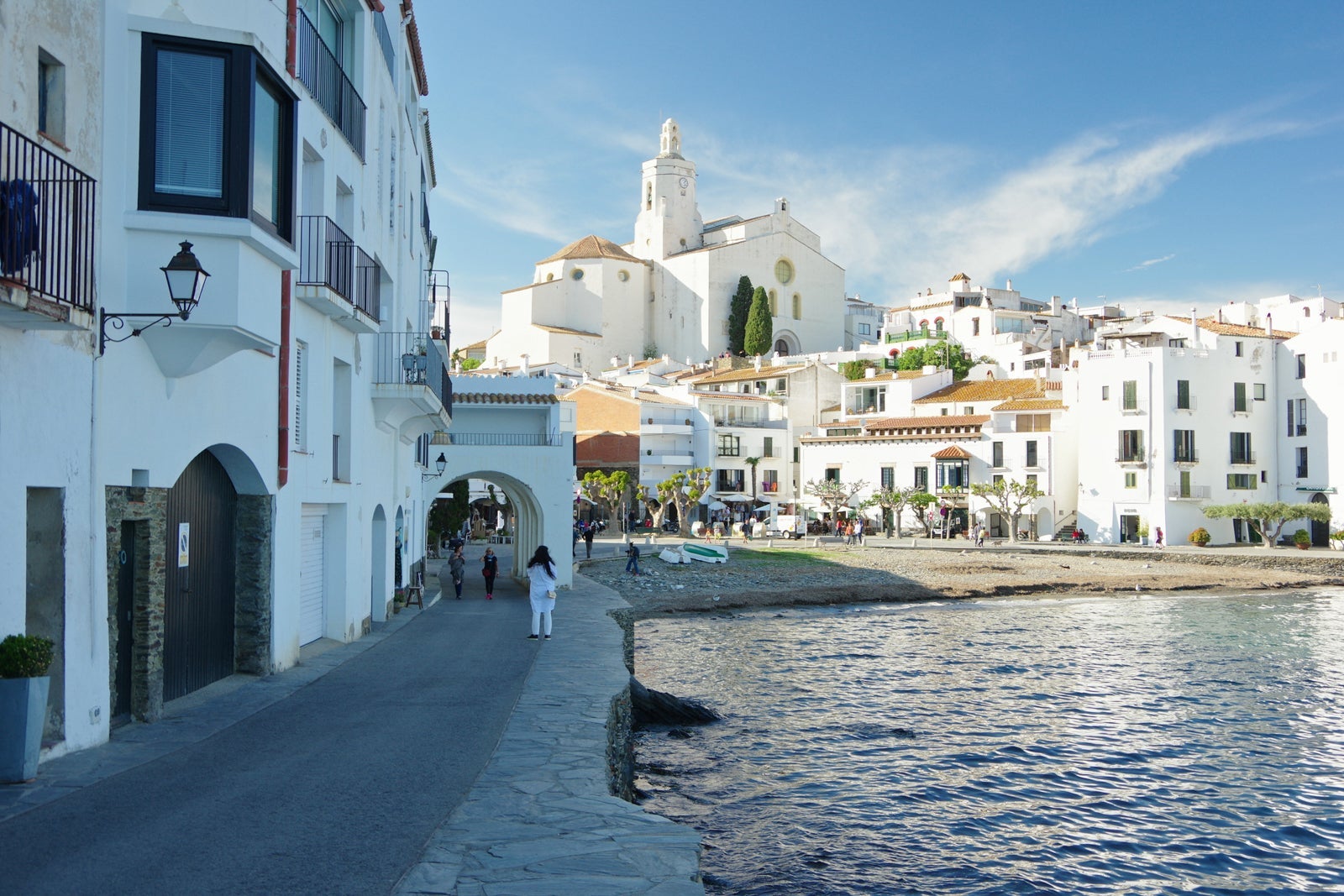
One of Costa Brava's most picturesque gems, Cadaques is located inside the Parque Natural del Cap de Creus, a nature preserve rife with hilly hiking trails and panoramic viewpoints.
If the village looks vaguely familiar, it was used as a backdrop by artists such as Salvador Dalí (he was born and buried in the nearby village of Figueres) and Joaquín Sorolla, known for his seascape artwork.
While strolling the cobbled streets of the village is a joy in itself, the best way to see Cadaques is from varying viewpoints, so put on your hiking boots and start climbing for an epic photo opp.
Alcala del Jucar, Castilla de la Mancha
JUANOT/GETTY IMAGES
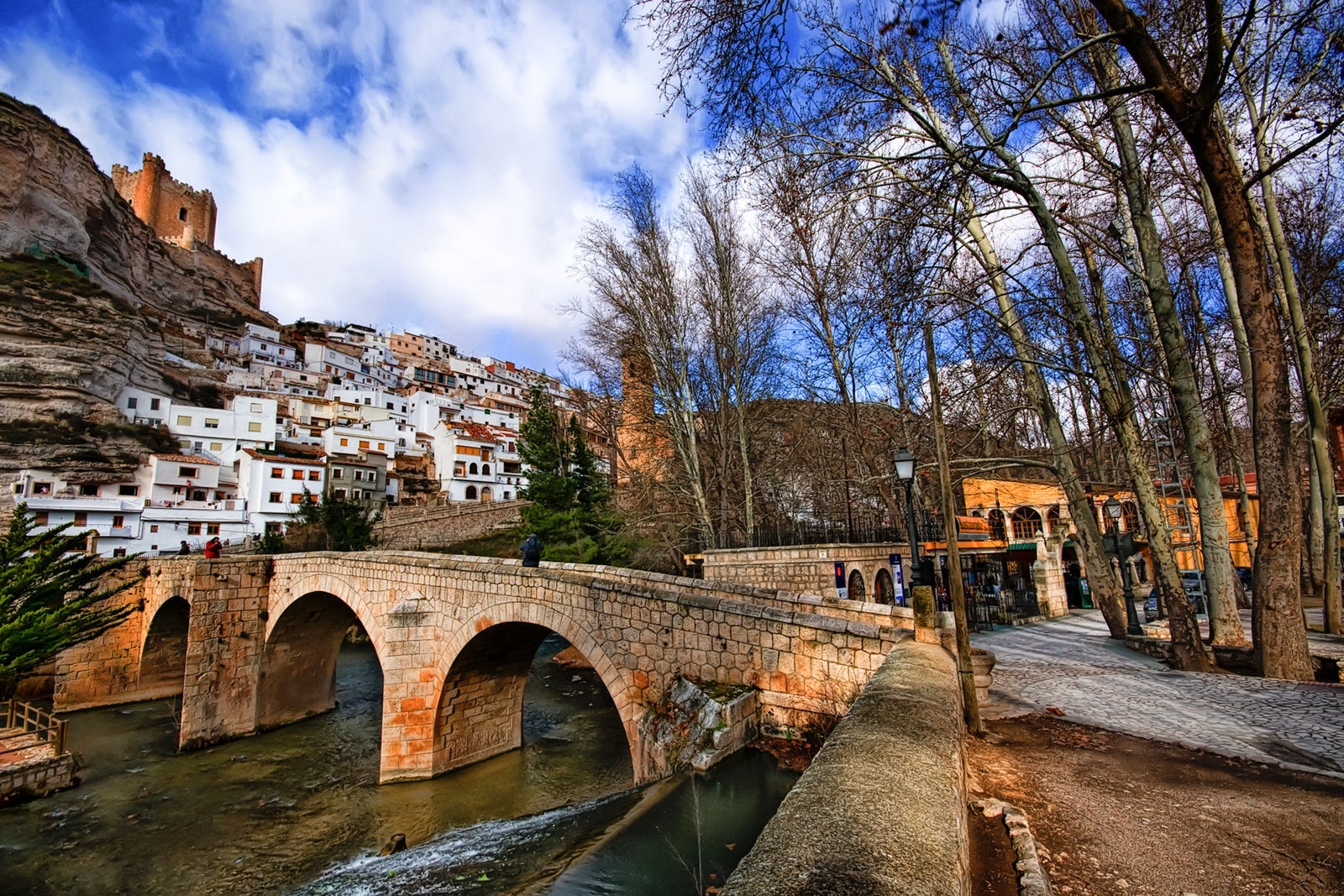
Home to a medieval castle and fortress, Alcala del Jucar is perched on a hill overlooking the Jucar River. Besides soaking up the traditional Spanish village atmosphere, make sure to explore the Cuevas del Diablo, caves built into the side of the mountain rock. Even during the hottest of summer days, it's a cool 64 degrees Fahrenheit.
Make sure to cross the famous Puente Romano. Originally built by the Romans, it was reconstructed in the 18th century but remains a special piece of historical architecture.
Tejada, Gran Canaria
INIGO ARZA AZCORRA/GETTY IMAGES
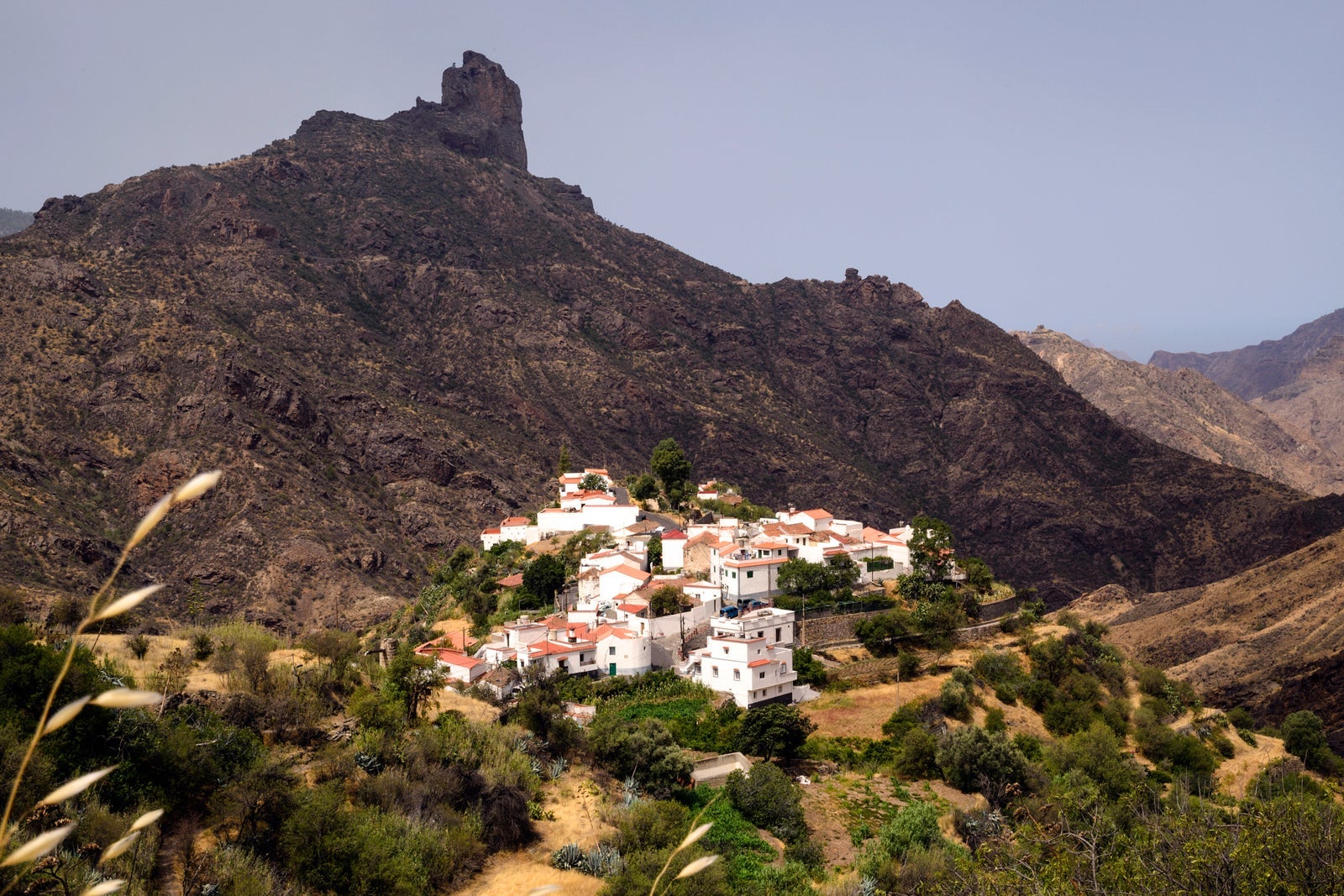
Take a break from Gran Canaria's epic beaches to head inland for a little village charm. Weave through the winding mountain roads inland to Tejada, where the white-walled, red-roofed homes and buildings sit amid the greenery of the island's mountainous interior.
Once you've checked out the village's hot spots like the Abraham Cárdenas Museum or the Medicinal Plants Centre, head to the surrounding area to hike around Roque Bentayga, a towering rock formation.
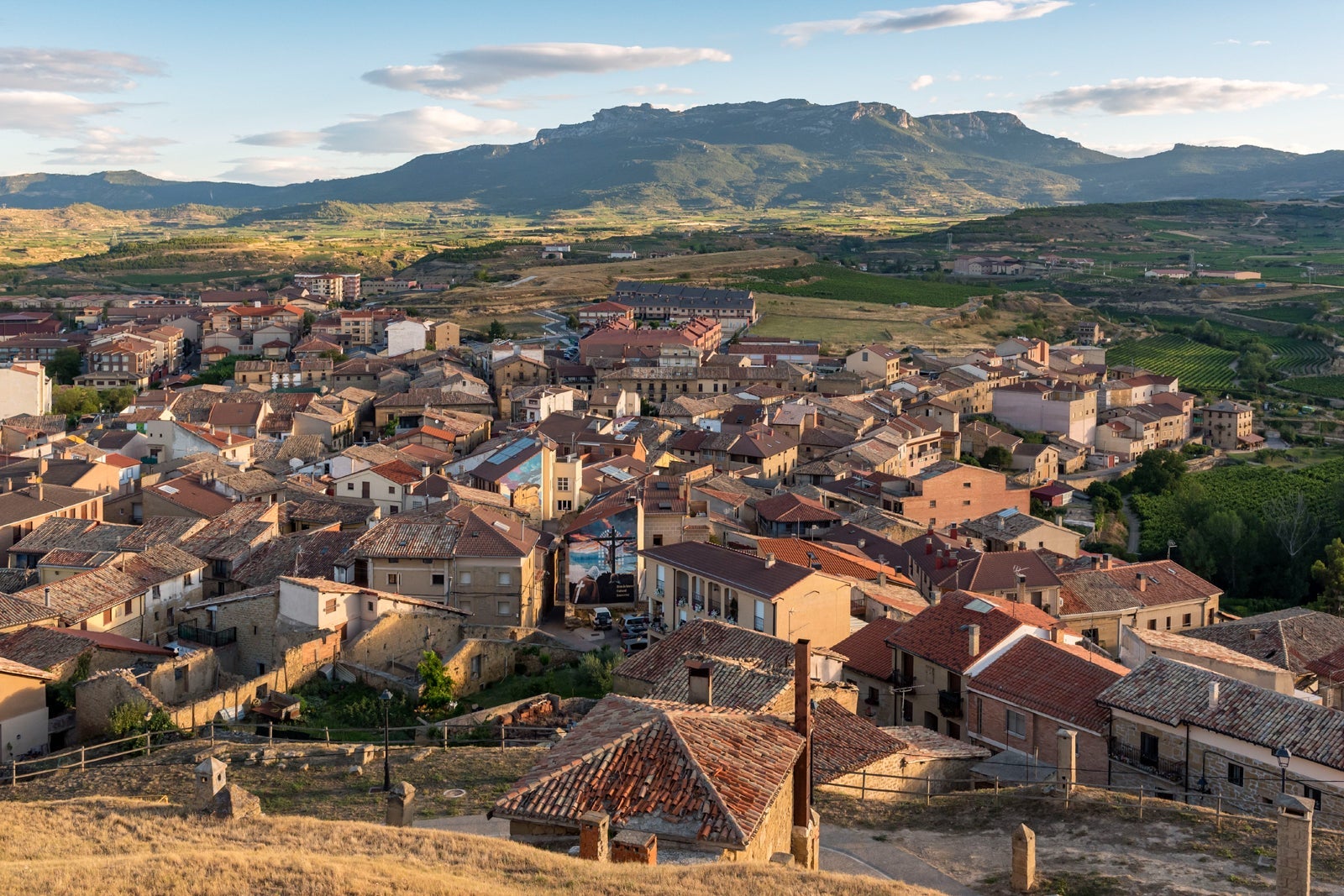
Wine lovers should head to San Vicente de la Sonsierra, surrounded by vineyards in Spain's most famous wine region, La Rioja.
The 10th-century village features a few stone towers, a hilltop castle and a plaza mayor, as well as more modern touches like a few colorful murals. For a little more action, head to the slightly larger, nearby town of Haro, which features a wine museum. Don't miss tours and tastings at neighboring wineries like Bodegas Riojanas and Bodegas Contador.
Potes, Cantabria
GATSI/GETTY IMAGES
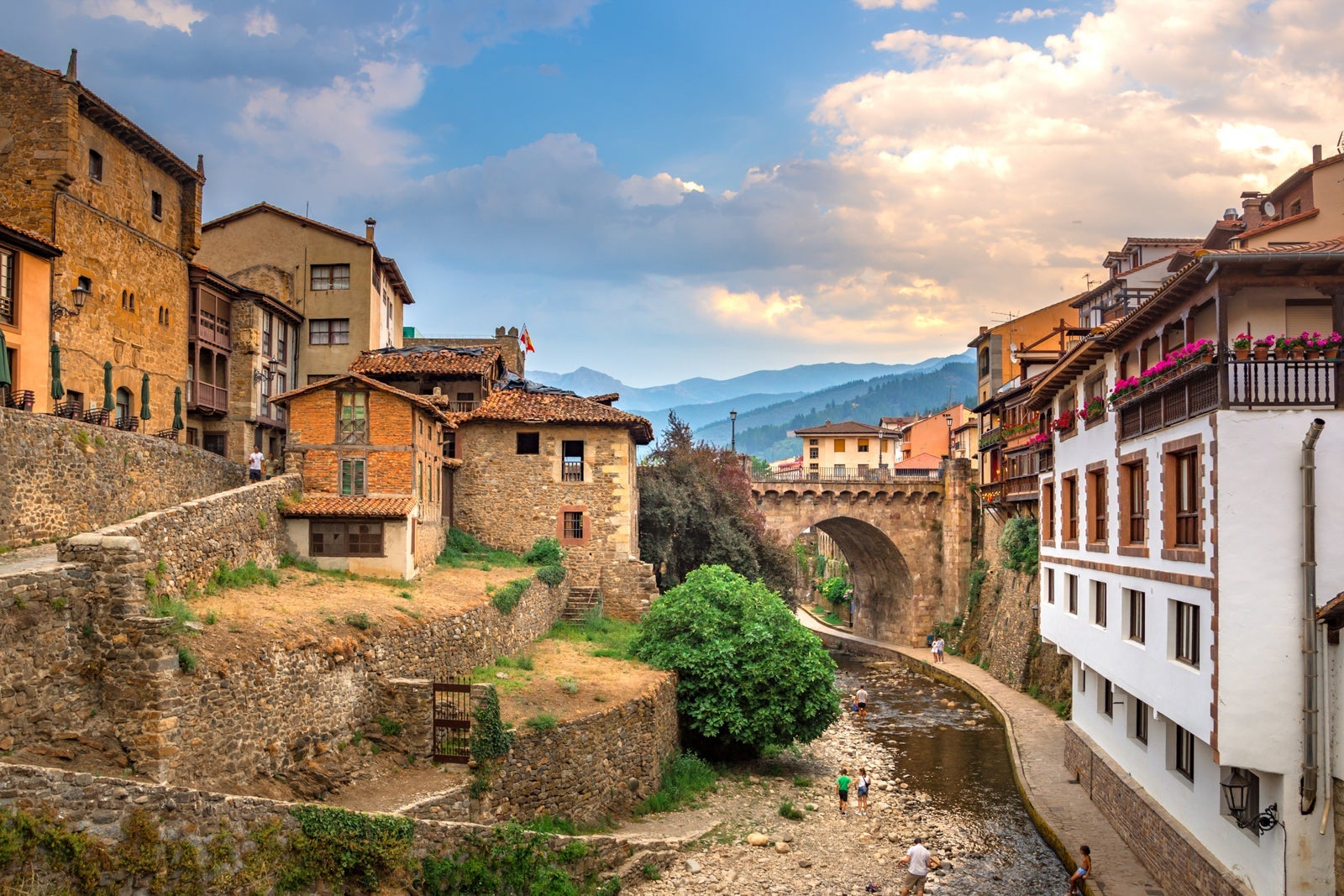
Bathed in moss and surrounded by verdant countryside and mountains, the stone village of Potes is famous for its arches and the Deva River, which runs right through the village center.
After enjoying the picturesque old town, you'll definitely want to explore the nearby outdoor landmarks, such as the climbing spot and limestone peak Naranjo de Bulnes. Eating in the village is a must: Plan to sample Cantabrian specialties like chickpea pies and stews as well as Cantabrian game.
Combarro, Galicia
ARMANDO OLIVEIRA/GETTY IMAGES
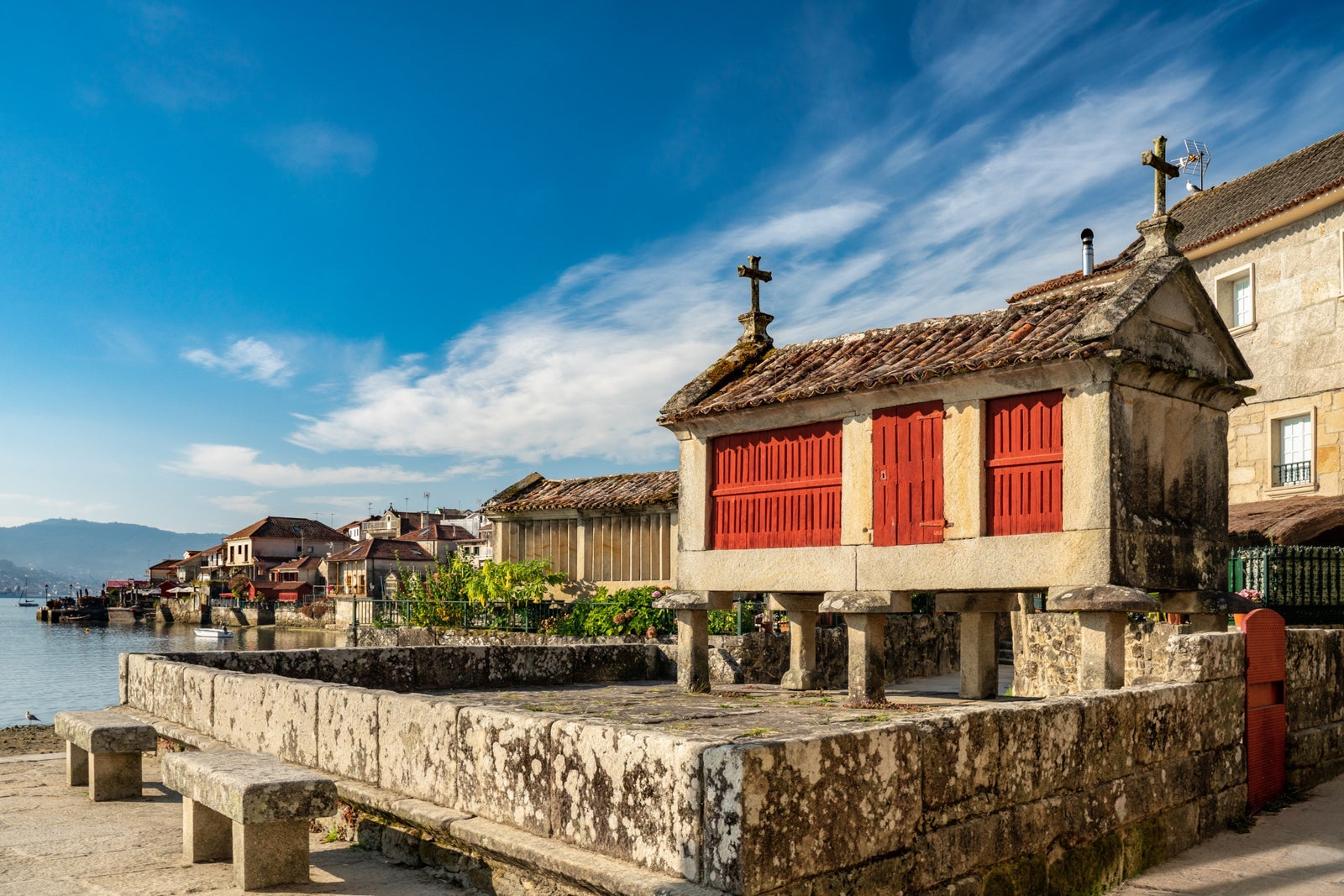
It doesn't get more traditional than Galicia's fishing village of Combarro, located in the Rias Baixas area. Featuring the customary Galician architecture horreos, which are homes set upon stilts, you'll find more than 60 of them throughout the village, many of which are used as granaries or for food storage.
You'll want to also keep an eye out for the distinct cruceiros (or granite crosses) as you lap the villages; Galicia is home to around 12,000, which represent "pardons from heaven," according to Galician writer Alfonso Daniel Rodríguez Castelao.
Make sure to eat as much seafood as possible — shellfish and pulpo gallego (Galician-style octopus doused with paprika) are especially revered in the region.
Setenil de las Bodegas, Andalusia
POIKE/GETTY IMAGES
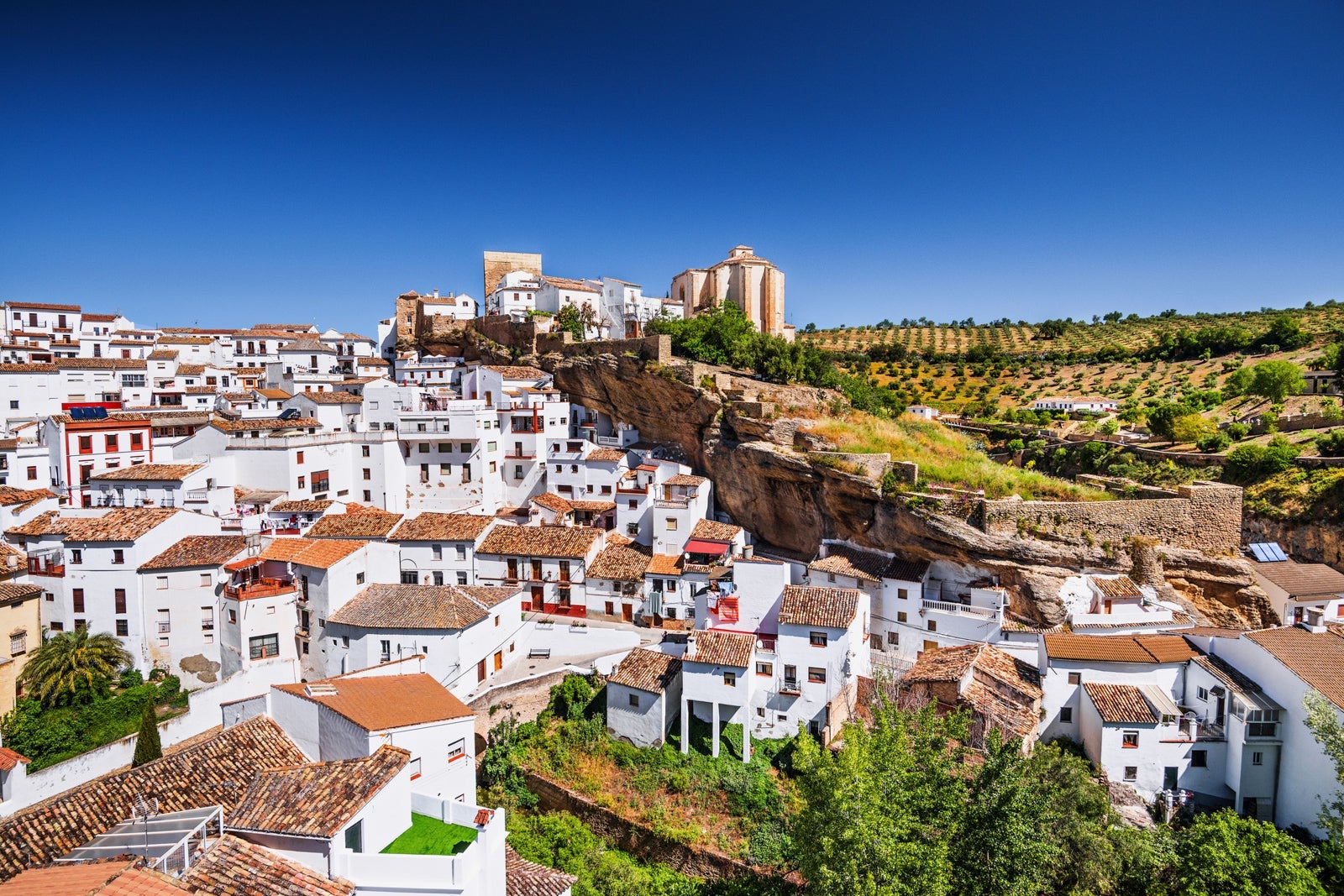
It's not easy to pick the most beautiful village in Andalusia — Arcos de la Frontera and Mijas are strong contenders, among others. But Setenil's unique geography makes it one of the most impressive.
Besides its focal point, a hilltop castle that was once an Arab fortress, the white buildings are built directly into the cliffside rock, resulting in an original, cavelike structure that's truly iconic. Make sure to visit one of the bars with outdoor tables set directly under the rock caves.
Hondarribia, Basque Country
TUUL BRUNO MORANDI/GETTY IMAGES
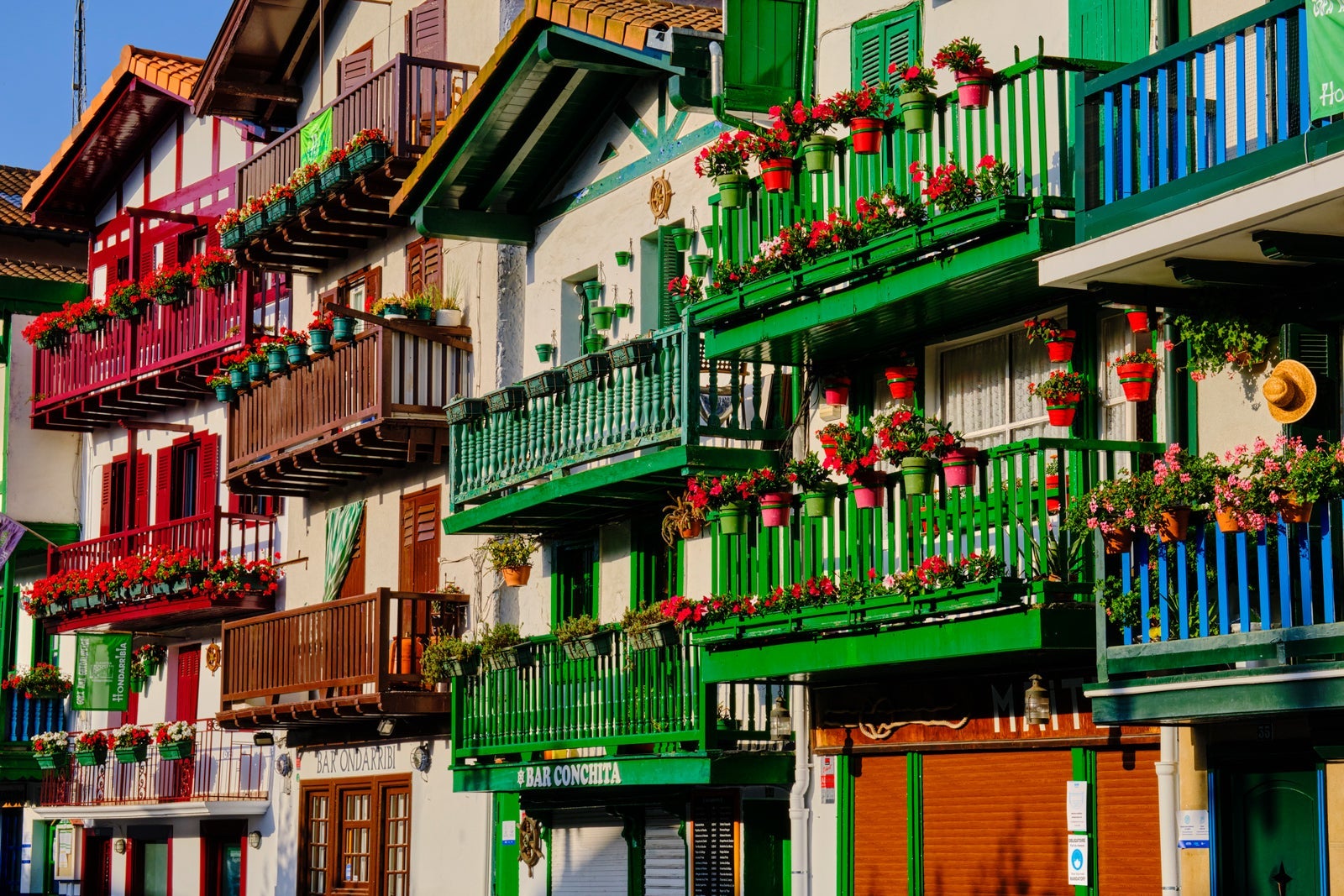
One of the most colorful villages in Spain, Hondarribia spans the Spanish-French border. Enter through the Santa Maria gate to admire the walled, vibrantly colored village center.
The sandy shores of Hondarribia Beach are just to the north. Wine enthusiasts shouldn't miss visiting some of the vineyards in the region that produce one of Spain's most underrated wines, txakoli. This is a very dry, slightly bubbly white wine with a low alcohol content — taste it and add on a tour at Hiruzta.
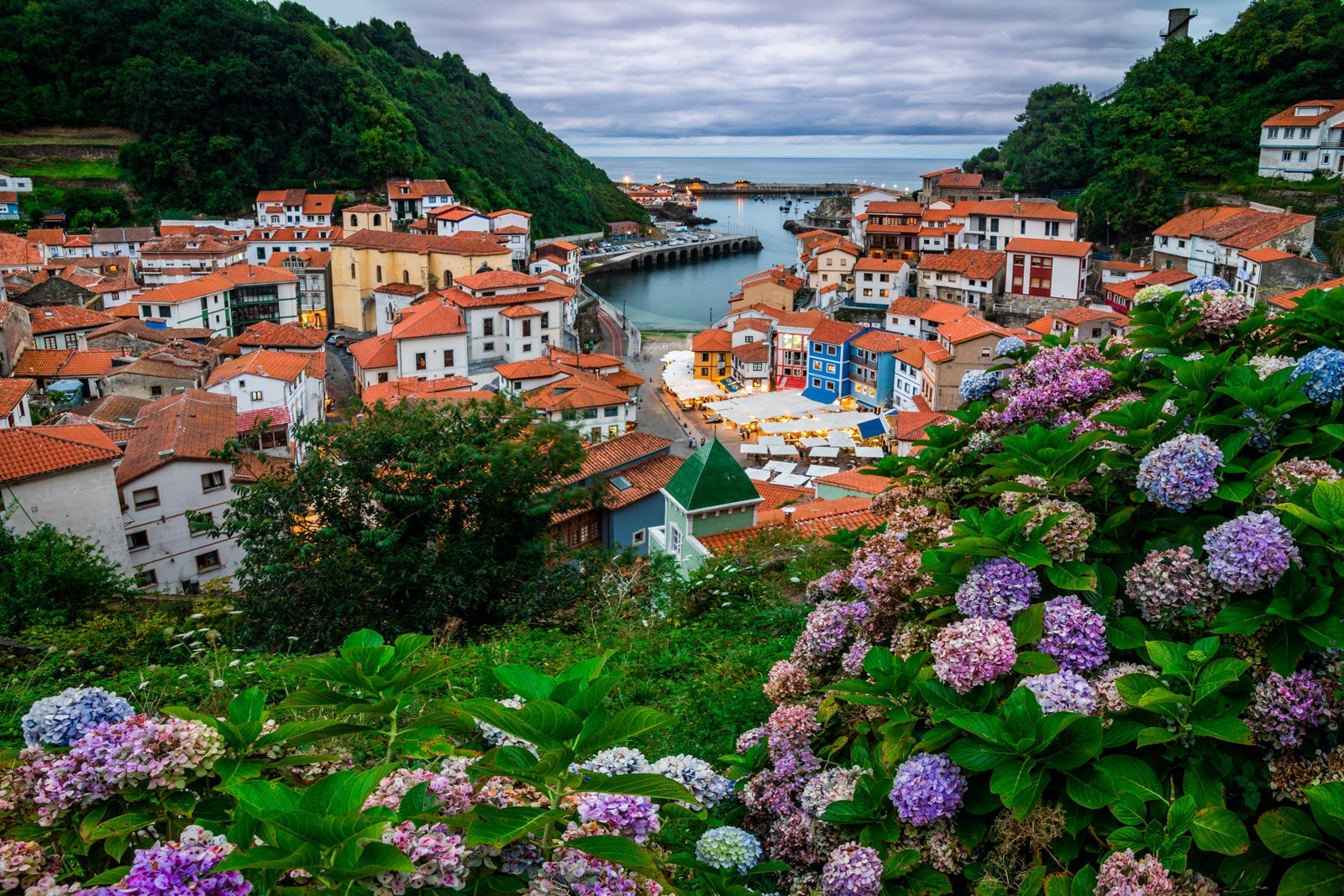
One of northern Spain's most delightful fishing villages, Cudillero is bright and compact, backed by green hills and close to beautiful sandy beaches.
Make sure to climb up to the Garita viewpoint to admire the village and the sea beyond. There aren't heaps of activities to do in Cudillero, but that's all part of its charm. Sit outside with a glass of sidra (the region's famed apple cider) paired with Asturian cheese, chat with locals and enjoy the laid-back ambience of the village.
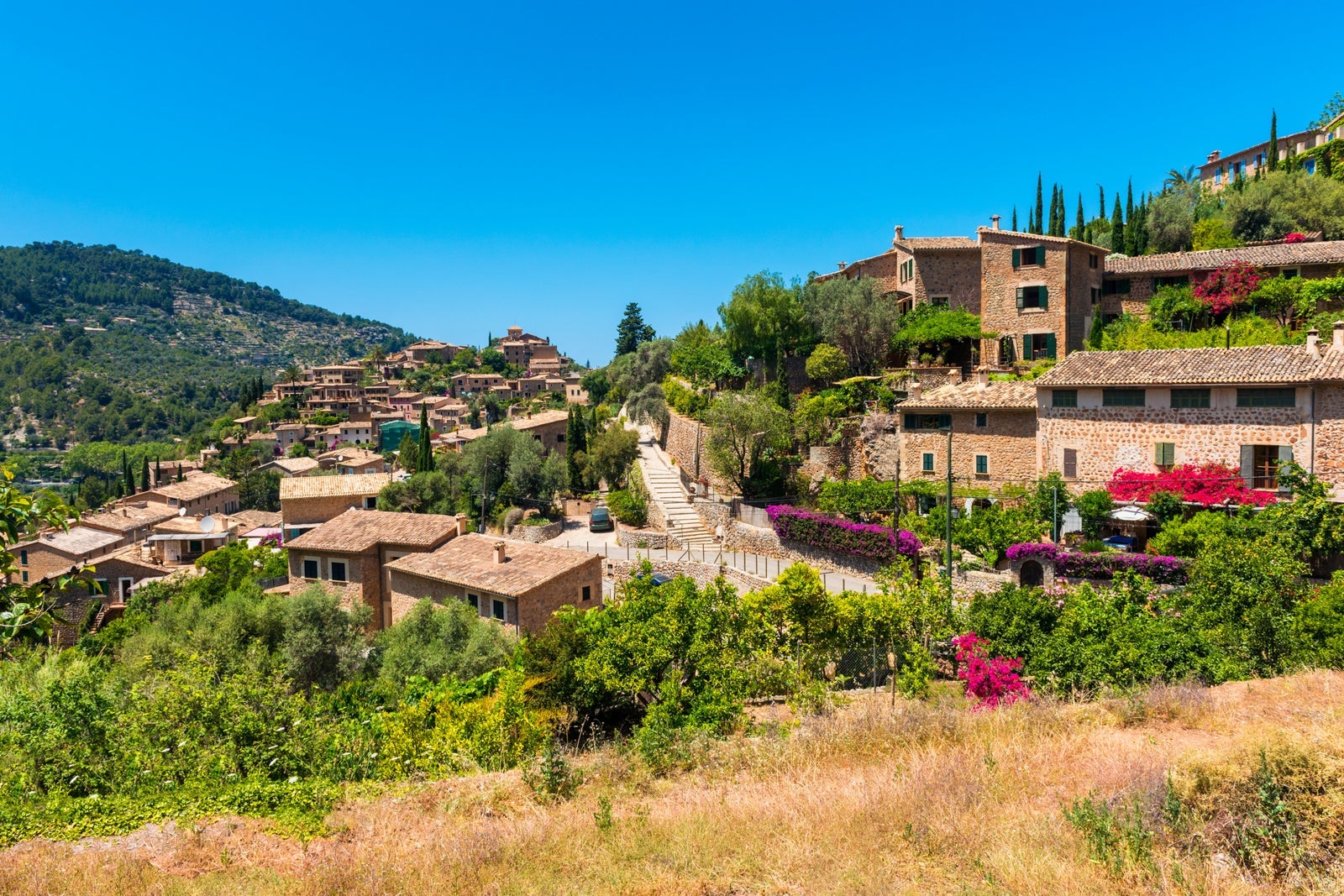
A short distance away from one of Mallorca's other incredibly gorgeous villages, Valldemossa, Deia is set high in the UNESCO-designated Tramuntana mountains overlooking the glittering ocean.
Known for its thriving arts and music community, Deia is more than just a historic village, it's also a place for creatives to feel inspired by the elements: the mountains, the sea and the beautiful stone buildings stacked along the hill.
Despite its small size and population, there are a number of interesting art galleries and boutiques, as well as chic restaurants to check out during your visit.
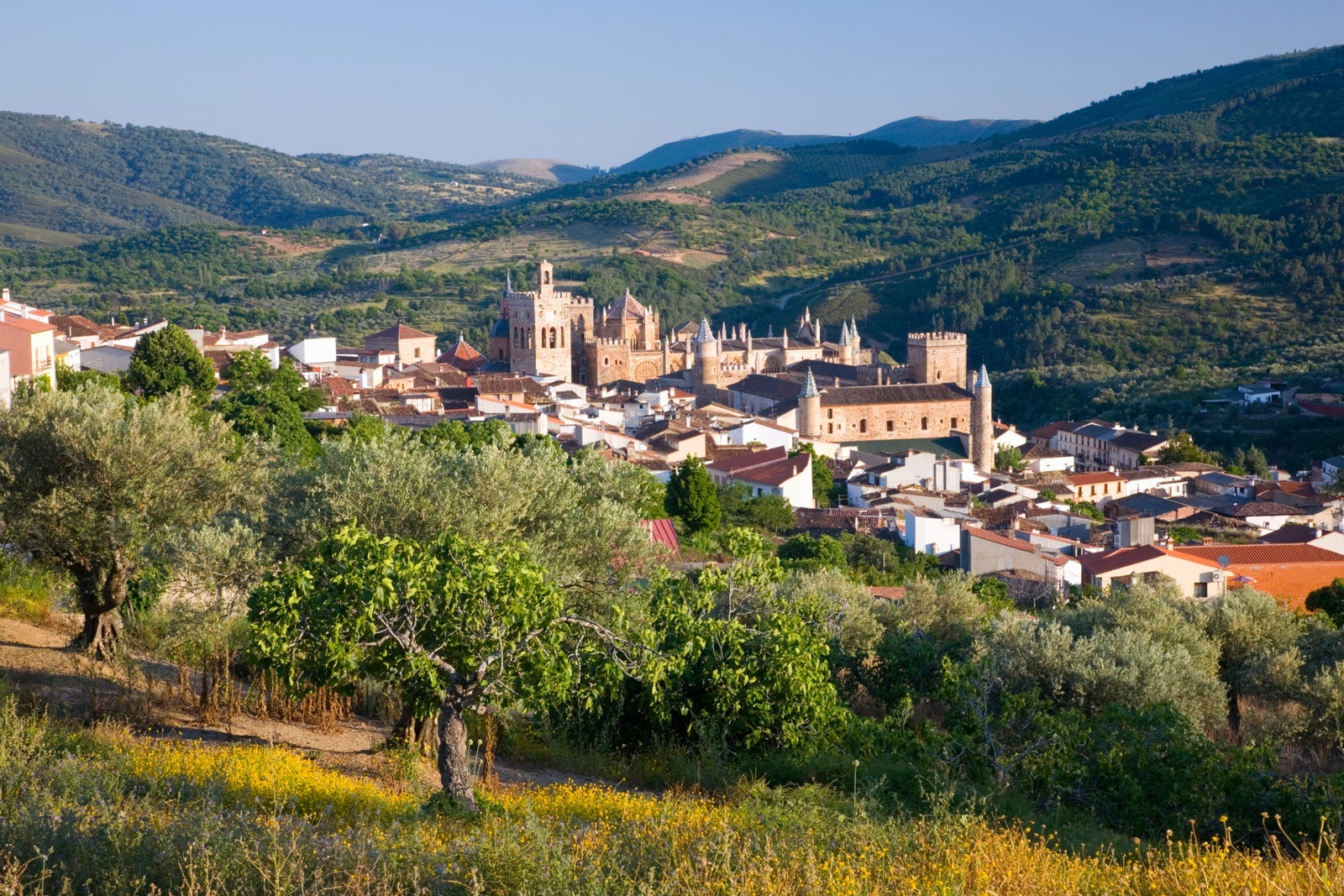
The highlight of the tiny village of Guadalupe is the monastery of the Virgin Maria de Guadalupe. The monastery features frescos from famous Spanish painters such as Zurbarán, and its museum has works from Goya and El Greco.
The exterior of the monument is just as impressive, featuring a mix of architectural styles like Baroque, Gothic, Renaissance and Mudejar. Make sure to relax with a cold drink in the main plaza facing the famous Tres Chorros fountain.
Olite, Navarra
JACKF/GETTY IMAGES
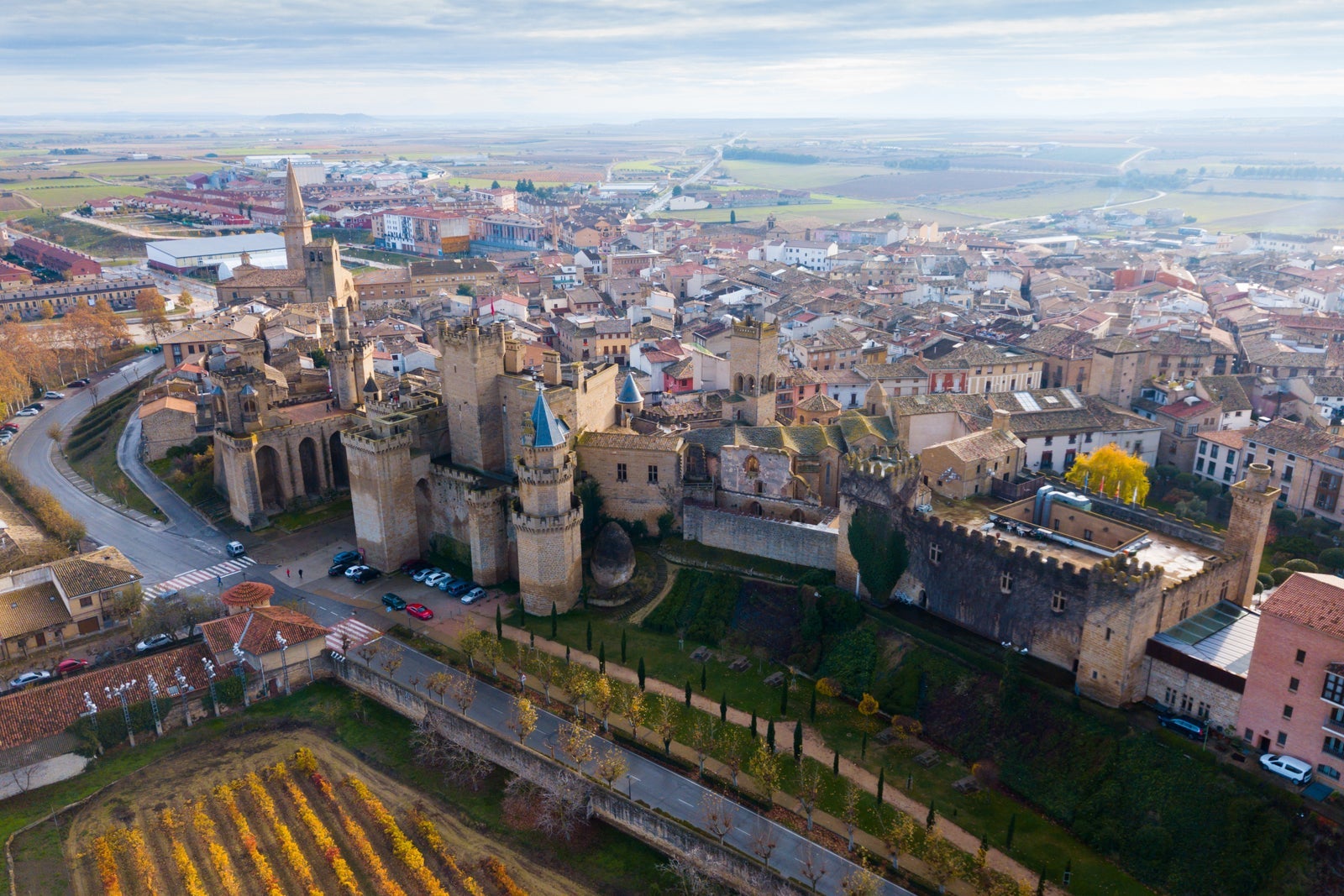
Spain is home to more than 10,000 castles, so a small village with a castle is hardly a novelty in the country. But Olite's castle is one to admire. Its many turrets and towers take you right back to the Middle Ages, and adults will have just as much fun as kids exploring this extraordinary royal landmark.
The castle was so iconic it even had hanging gardens and a zoo featuring lions, giraffes and camels during its 15th-century heyday. With bucolic views of rolling vineyards, you won't want to miss wine tasting during your visit.
Arrive at Buitrago de Lozoya, one of Madrid's most popular escapes, in under an hour from the capital. The village is surrounded by the Lozoya River and enclosed by Moorish walls.
As you probably expect, Buitrago features a castle and a clock tower. There's also a museum featuring works by Picasso. Hikers should head to the nearby Cuenca Alta del Manzanares Nature Reserve to hike or walk.
Spain has incredible beaches and lively cities — but don't forget about the pueblos scattered throughout the country. Spanish villages emit a very special kind of small-town charm perfect for a relaxing vacation — and most feature landmarks like castles, cathedrals and clock towers just waiting to be explored.
By commenting, you agree to our Community Guidelines to help create a positive space for conversation. The responses below are not provided or commissioned by the bank advertiser, our partners, or The Points Guy (“TPG”). They have not been reviewed, approved, or otherwise endorsed by any of these parties. All responses are submitted by individual contributors, and neither the bank advertiser, our partners, nor TPG are responsible for ensuring that all posts and/or questions are answered.