The Points Guy believes that credit cards can transform lives, helping you leverage everyday spending for cash back or travel experiences that might otherwise be out of reach. That's why we publish a variety of editorial content and card comparisons: to help you find a great card to turn your goals into reality.
Our site may earn compensation when a customer clicks on a link, when an application is approved, or when an account is opened with our partners, and this may impact how or where these products appear. While we don't cover all available credit cards, our editorial team creates and maintains all of the analysis of these cards, and our content is not influenced nor subject to review by any credit card company, bank or partner prior to (or after) publication. Please view our advertising policy and product review methodology for more information.
Advertiser disclosure
The Points Guy believes that credit cards can transform lives, helping you leverage everyday spending for cash back or travel experiences that might otherwise be out of reach. That's why we publish a variety of editorial content and card comparisons: to help you find a great card to turn your goals into reality.
Our site may earn compensation when a customer clicks on a link, when an application is approved, or when an account is opened with our partners, and this may impact how or where these products appear. While we don't cover all available credit cards, our editorial team creates and maintains all of the analysis of these cards, and our content is not influenced nor subject to review by any credit card company, bank or partner prior to (or after) publication. Please view our advertising policy and product review methodology for more information.
When Ryan worked as a TPG credit cards writer, he oversaw refreshes of card reviews and card offer stories. He enjoyed racking up cash back and helping readers maximize their points and miles for their next big trip.
also contributed to this story
October 23, 2024 • 9 min read
The cards we feature here are from partners who compensate us when you are approved through our site, and this may impact how or where these products appear. We don't cover all available credit cards, but our analysis, reviews, and opinions are entirely from our editorial team. Terms apply to the offers listed on this page. Please view our advertising policy and product review methodology for more information.Editorial disclaimer: Opinions expressed here are the author's alone, not those of any bank, credit card issuer, airline or hotel chain, and have not been reviewed, approved or otherwise endorsed by any of these entities.
Comments
By commenting, you agree to our Community Guidelines to help create a positive space for conversation. The responses below are not provided or commissioned by the bank advertiser, our partners, or The Points Guy (“TPG”). They have not been reviewed, approved, or otherwise endorsed by any of these parties. All responses are submitted by individual contributors, and neither the bank advertiser, our partners, nor TPG are responsible for ensuring that all posts and/or questions are answered.
Related stories
Quick summary
You can check your credit score for free from each major credit reporting agency weekly, offering a reliable way to monitor your financial health.
Multiple types of credit scores exist, such as FICO and VantageScore, and each can vary based on the reporting agency and score version used.
Different banks and third-party services provide access to various credit scores, with some updating weekly or monthly and others available upon request.
Checking your own credit score is considered a 'soft inquiry' and does not negatively affect your credit.
What to consider
Credit scores may differ significantly depending on the agency, score model and version used, so reviewing scores from multiple sources is recommended.
Some platforms require you to be a primary account holder or have specific account activity to access your score, while others are open to the public.
Third-party websites may not offer the same data protection standards as banks, so consider privacy when choosing where to check your score.
What you'll miss from the article
A detailed comparison of free credit score sources, including update frequency, eligibility and which agencies or score types each service provides.
Generated by AI with support from our editorial team.
Update: Some offers mentioned below are no longer available. View the current offers here.
Your credit score is a critical metric for your ability to receive a credit card and earn a lucrative welcome bonus. Knowing your score — and how to improve it — is a fundamental part of the points and miles landscape.
Years ago, you probably would've had to pay to check your credit score. Now, though, you can check your credit score for free from each credit reporting agency once every week. However, not all credit scores are the same. In fact, you likely have multiple credit scores at any given moment.
Here are your options for a free credit score check from each credit reporting agency.
Why do I have different credit scores?
There are two primary types of credit scores: FICO Score and VantageScore. The data used to calculate either of these scores can come from any one of the three major credit reporting agencies: Experian, TransUnion or Equifax.
Additionally, both FICO Score and VantageScore have different versions of their score models. Most commonly, you’ll see FICO Score 8 or 9 and VantageScore 3.0 or 4.0, but there are other versions as well.
WUTZKOHPHOTO/SHUTTERSTOCK
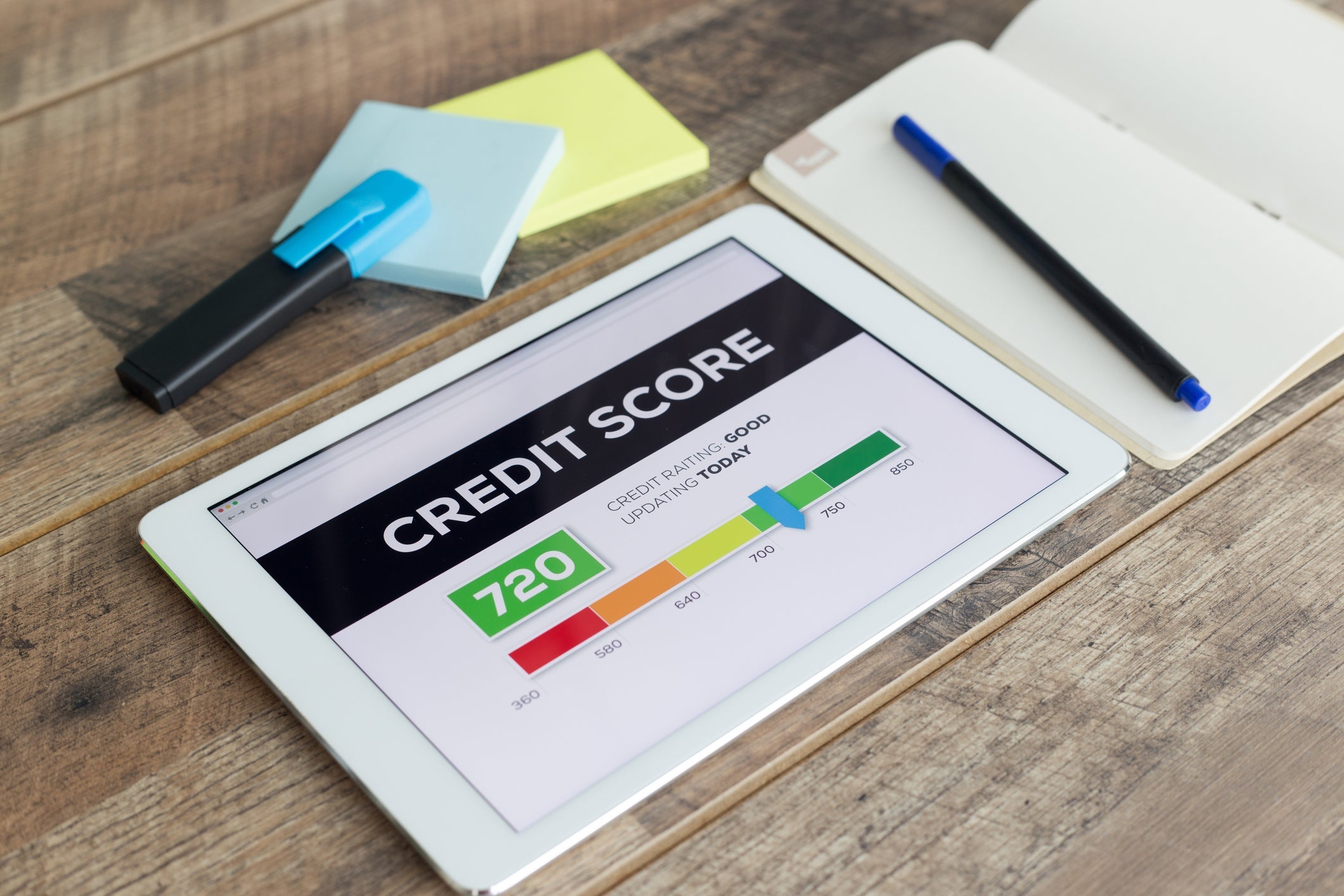
With all of these different variables, it’s easy to see why the same person can have multiple credit scores. My TransUnion VantageScore 3.0, for example, has in the past been a full 37 points higher than my Experian FICO Score 8.
It’s not always possible to know which credit reporting agency an issuer will check, so it’s helpful to check your credit score regularly in multiple places.
Check your credit score for free every week
You can get a full credit report from the three major credit bureaus (Experian, Equifax and TransUnion) once a week for free. To get your full reports, head on over to the annual credit report site and click the “Request your free credit reports” button.
Experian
American Express automatically pulls an Experian FICO Score each month for “primary cardmembers who get a monthly statement and have an available score.” You won’t be able to access your credit score if you’re only an authorized user or if your card activity wasn’t enough to generate a statement.
You can access your current score as well as your score history by logging into your American Express account through this link.
Chase allows anyone to check their Experian VantageScore 3.0 credit score once a week through Credit Journey. Chase cardholders will be prompted to log into their account to view their score and then can scroll down to find the Credit Journey link.
Experian allows everyone to request their Experian FICO Score 8 credit score for free through its FreeCreditScore website. Your score will be updated at login up to once per 30 days.
Wells Fargo lets the primary account holder of an eligible Wells Fargo consumer account who is enrolled in Wells Fargo Online banking and has a FICO score available pull their Experian FICO 9 Score.
Cardholders are instructed to sign on to their account and select “View Your FICO Credit Score” from the Planning and Tools section of their Account Summary. The score updates on or around the fifth business day of each month.
TransUnion
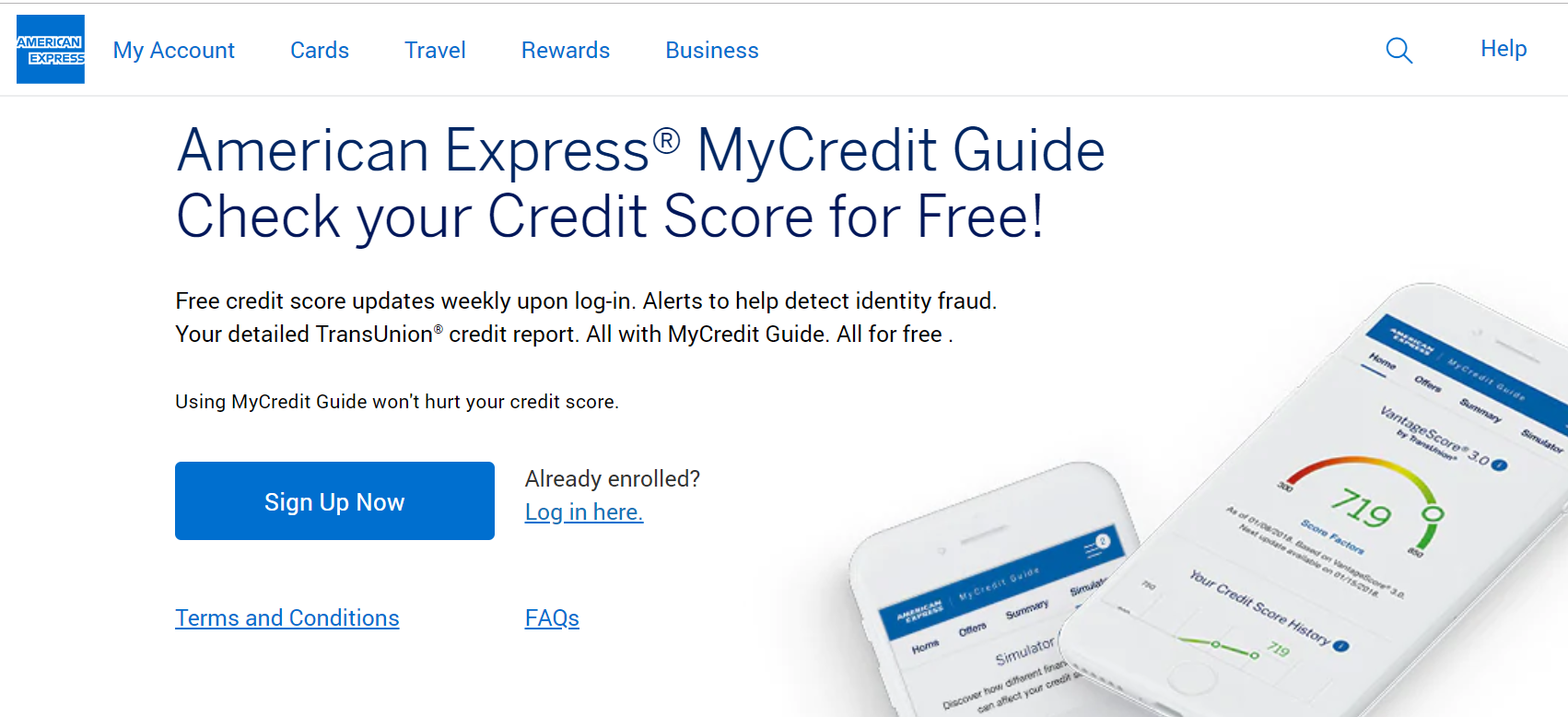
American Express allows anyone to check their TransUnion VantageScore 3.0 credit score for free each week using MyCredit Guide. Your credit score is pulled at the time you request it, up to once every seven days. This is especially helpful if you want to know your current credit score.
AMERICAN EXPRESS
Bank of America provides “eligible customers with a consumer credit card” access to their TransUnion FICO Score 8 credit score. The score is automatically updated monthly. To access your score, log into your account and click View Your FICO Score.
Barclays credit card holders get free access to their TransUnion FICO Score 8 credit score. You can see your current score and history by logging into your account and clicking the “Your FICO Credit Score” link (under the “Services” drop-down menu).
Capital One offers everyone their TransUnion VantageScore 3.0 through CreditWise. Capital One credit card holders can log in with their credit card account credentials to avoid setting up a separate user account.
Discover lets cardholders and banking customers pull their TransUnion FICO Score 8 credit score as often as they wish through Credit Scorecard inside their user dashboard online.
U.S. Bank lets cardholders see their TransUnion VantageScore 3.0 credit score for free through the user’s Dashboard.
Equifax
Like the other bureaus, you can check your credit score once a week, free of charge, directly through the bureau.
You’re really limited if you want to pull your Equifax credit score through an issuer, however. There’s just one bank that offers it. Citi offers cardholders of “select Citi cards” access to their Equifax FICO Bankcard Score 8. Note that the FICO Bankcard 8 uses a different credit score range (250-900) from the others, so your number here might differ significantly from other places.
Although the list of cards that unlock this free credit score check isn’t listed anywhere on Citi’s website, I can tell from my personal cards that at least the following cards are included:
The score is updated monthly, and there’s a 10-day delay from when the score is calculated to when it’s available “to allow time for Citi to validate the information.”
The information for the Citi Prestige, Citi Dividend, Citi Rewards+, American Airlines AAdvantage MileUp and the AT&T Access Card from Citi has been collected independently by The Points Guy. The card details on this page have not been reviewed or provided by the card issuer.
Non-bank sources
In addition to getting your credit score from banks, some third-party websites offer users the ability to create a profile to check their credit score. You should know, however, that these sites don’t have the data protection requirements that banks must have.
MINT
Credit.com allows anyone to set up an account to view their Experian credit score every 14 days.
Credit Karma lets users see both their TransUnion and Equifax credit scores for free by setting up an account. This seems to be the only source of a free Equifax credit score that is available to anyone.
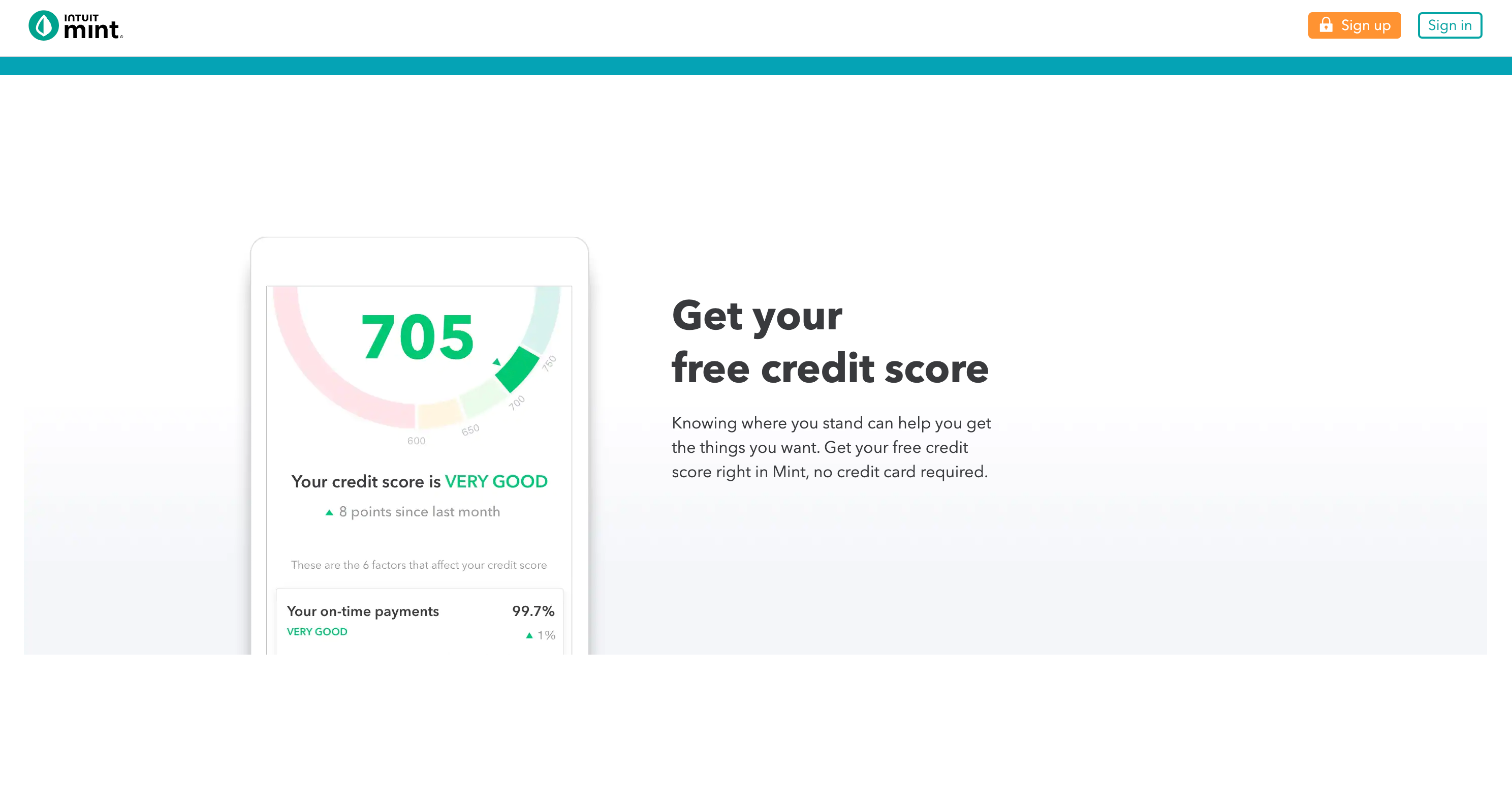
Credit Sesame is another source for anyone to get their TransUnion credit score. Mint also lets you pull a TransUnion credit score. Most other third-party sources only ask for the last four digits of your social security number, but Mint requires that you enter your full SSN to create your account.
All the options
Here’s a chart summarizing all of the above options:
Bank or service
Reporting agency
Score type
Access
Updates
American Express
Experian
FICO Score 8/9
Primary cardmembers
Monthly
American Express
TransUnion
VantageScore 3.0/4.0
Public
Upon request (every 30 days)
Bank of America
TransUnion
FICO Score 8/9
Personal cardholders
Monthly
Barclays
TransUnion
FICO Score 8/9
Cardholders
(Unclear)
Capital One
TransUnion
VantageScore 3.0/4.0
Public
Weekly
Citi
Equifax
FICO Bankcard Score 8/9
Holders of “select Citi cards”
Monthly
Chase
Experian
VantageScore 3.0/4.0
Public
Upon request (every 7 days)
Credit.com
Experian
VantageScore 3.0/4.0
Public
14 days
Credit Karma
TransUnion and Equifax
VantageScore 3.0/4.0
Public
(Unclear)
Credit Sesame
TransUnion
VantageScore 3.0/4.0
Public
Upon request (monthly)
Discover
TransUnion
FICO Score 8/9
Cardholders
Upon request (every 30 days)
Experian
Experian
FICO Score 8/9
Public
Upon request (every week)
Mint
TransUnion
VantageScore 3.0/4.0
Public
(Unclear)
U.S. Bank
TransUnion
VantageScore 3.0/4.0
Cardholders
(Unclear)
Wells Fargo
Experian
FICO Score 9
Primary cardholders
Monthly around the 5th
Improving your score
Not satisfied with your results? There are things you can do to improve your credit score. Here’s a video if you’d rather learn by watching:
Does checking your credit score hurt your credit?
It’s a common myth that checking your credit score hurts your credit, but this is false. This idea likely grew out of the fact that when your credit is “checked” by banks or utility companies when you’re opening an account, it shows up on your credit report and can result in a 10- to 20-point ding on your score.
When this happens, it’s known as a “hard inquiry” or “hard pull.” The number of these inquiries you’ve had in the recent past is also a small part of your credit score.
But when you take a look at your own credit score, it’s what is known as a “soft pull” or “soft inquiry.” This won’t hurt your credit score, so you can (and should) check your credit score often.
Bottom line
There are many places you can look at your credit score for free. Check your score often and in multiple places to have an accurate picture of your credit standing.
If you want to learn more about credit scores and credit score checks, we have scores (pun intended) of resources for you to learn more. Educating yourself about credit scores and why they matter is an important part of becoming financially savvy.
By commenting, you agree to our Community Guidelines to help create a positive space for conversation. The responses below are not provided or commissioned by the bank advertiser, our partners, or The Points Guy (“TPG”). They have not been reviewed, approved, or otherwise endorsed by any of these parties. All responses are submitted by individual contributors, and neither the bank advertiser, our partners, nor TPG are responsible for ensuring that all posts and/or questions are answered.