
The cause of the delays in deliveries? Supplier constraints, a problem the manufacturer already knew was coming.
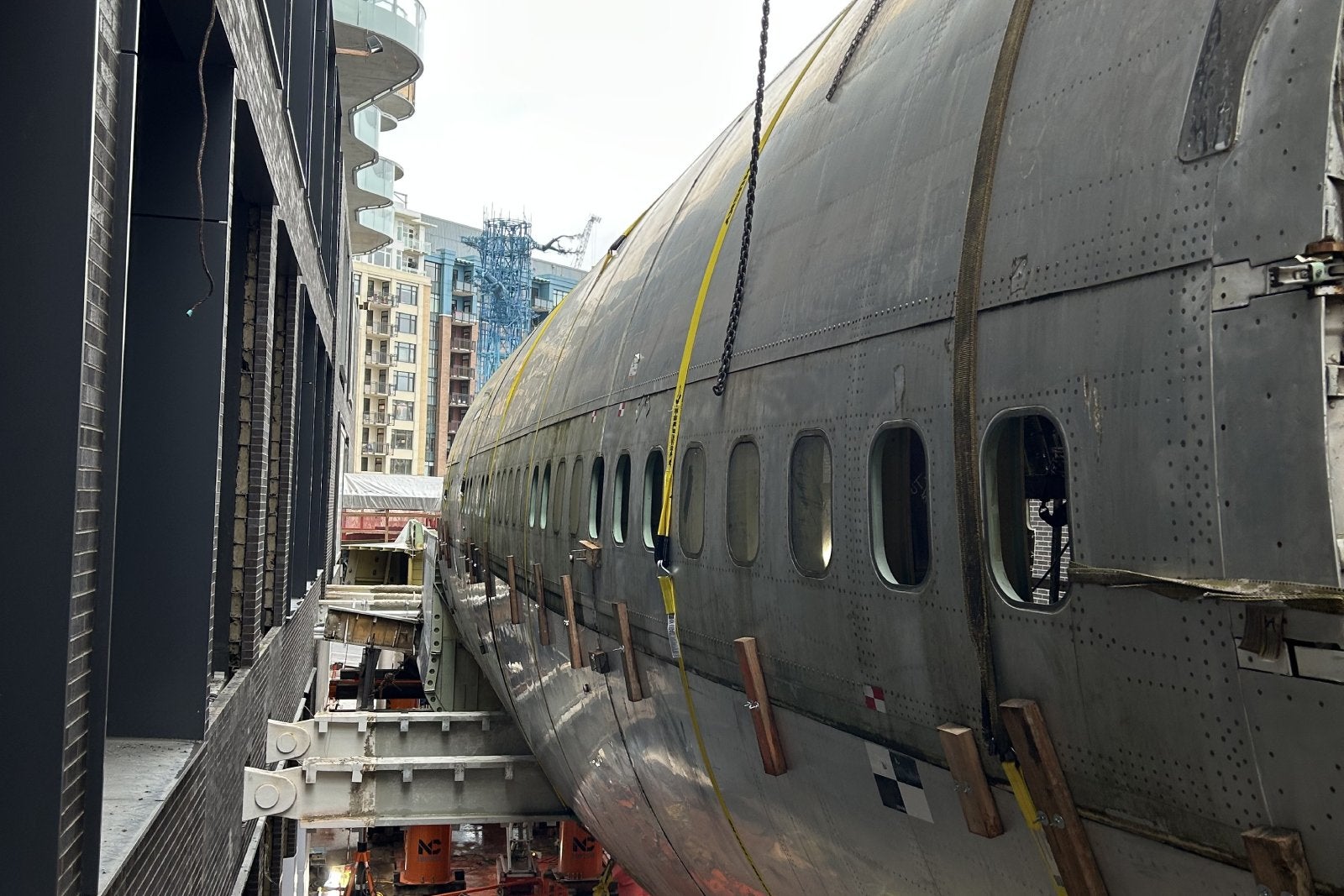
About 50 unfinished 737s — called "gliders," as they're without engines — were left parked around the Boeing Seattle-area factory. Both Boeing and its top rival Airbus are feeling the effects of suppliers failing to hit their output targets. Earlier this year, Airbus was forced to store as many as 100 of its A320neo family aircraft when Pratt & Whitney halted production of their engines for a short period.
The delivery issue for Boeing — especially with regard to its narrow-body family of jets — is expected to get worse before it improves, too. Boeing Chief Financial Officer Greg Smith said last week that he predicts Boeing's Q3 737 deliveries to fall short of the target of 52 jets produced per month. However, Smith expects deliveries to rebound in Q4.
"Each one of those suppliers is getting more on track, but days matter, when you're at 52 a month, a day matters," Smith said. "And you don't have a lot of margin for error there."
On Thursday, Boeing's head of the 737 program announced that he would be stepping down at the end of the year. Scott Campbell, who heads the program and is the site manager for the Renton factory, will retire at the end of 2018, reports the Seattle Times. Replacing Campbell will be Eric Lindblad, who currently oversees development of the 777X.
H/T: Bloomberg