The Points Guy believes that credit cards can transform lives, helping you leverage everyday spending for cash back or travel experiences that might otherwise be out of reach. That's why we publish a variety of editorial content and card comparisons: to help you find a great card to turn your goals into reality.
Our site may earn compensation when a customer clicks on a link, when an application is approved, or when an account is opened with our partners, and this may impact how or where these products appear. While we don't cover all available credit cards, our editorial team creates and maintains all of the analysis of these cards, and our content is not influenced nor subject to review by any credit card company, bank or partner prior to (or after) publication. Please view our advertising policy and product review methodology for more information.
Advertiser disclosure
The Points Guy believes that credit cards can transform lives, helping you leverage everyday spending for cash back or travel experiences that might otherwise be out of reach. That's why we publish a variety of editorial content and card comparisons: to help you find a great card to turn your goals into reality.
Our site may earn compensation when a customer clicks on a link, when an application is approved, or when an account is opened with our partners, and this may impact how or where these products appear. While we don't cover all available credit cards, our editorial team creates and maintains all of the analysis of these cards, and our content is not influenced nor subject to review by any credit card company, bank or partner prior to (or after) publication. Please view our advertising policy and product review methodology for more information.
Guides
7 travel mistakes to avoid on your next trip
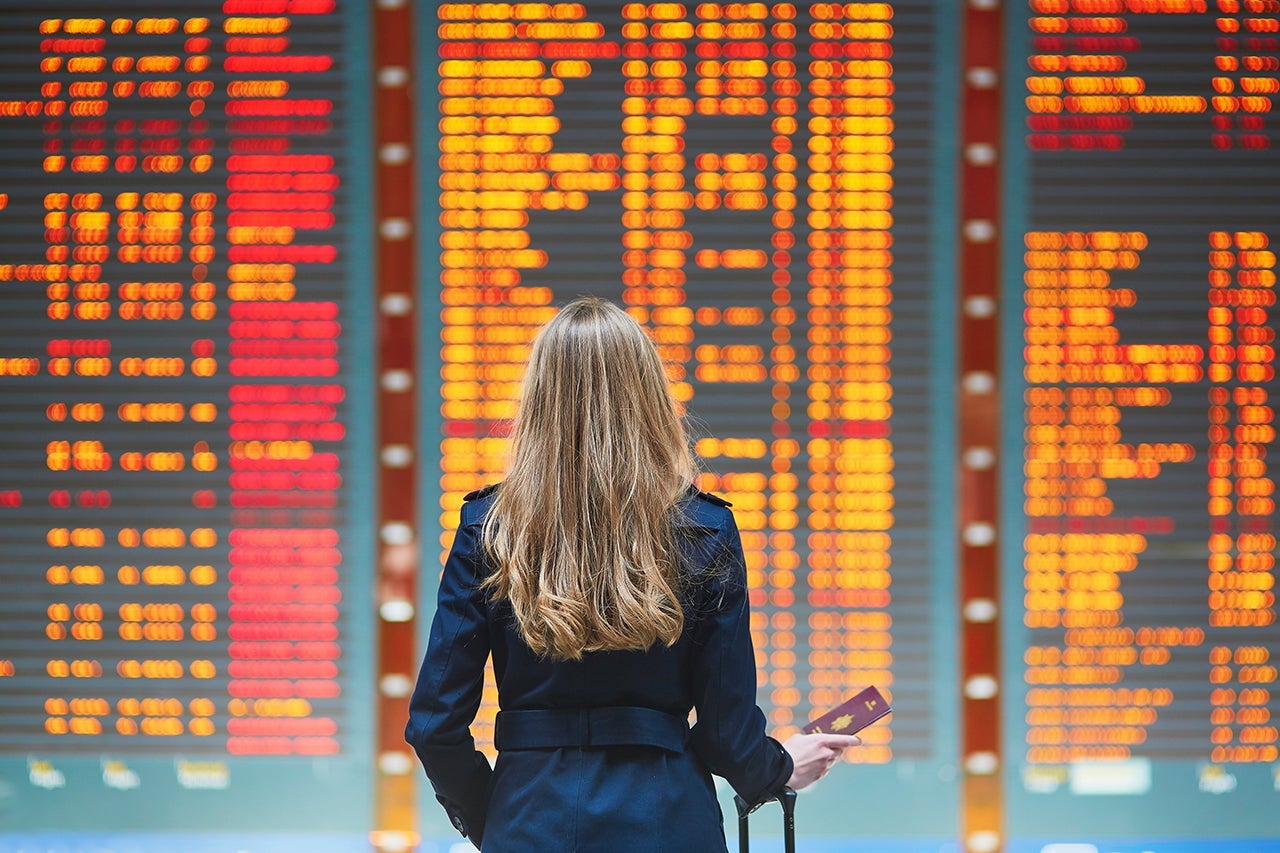
Featured image by TING SHEN/BLOOMBERG/GETTY IMAGES
Nick Ewen is TPG's editor-in-chief and helps readers leverage credit cards (he has more than 25 of them) and loyalty programs to travel more for less. He's been at TPG for over 11 years.
Melissa Klurman is a freelance travel reporter. Combining her journalism background with her love of exploring, Melissa turned her passion for travel into a profession, venturing everywhere from the Arctic to Zimbabwe in search of stories. She has worked as an editor at both Frommer's and Fodor's travel guides, editor at large for Bonnier's Travel Group (Islands/CTL/Saveur) and was a media spokesperson for both Fodor's and Travelocity. At Fodor's she created the first Southern Africa and African Safari guidebooks, which in turn has led to more than a dozen trips to southern and eastern Africa, including gorilla trekking in Uganda and a comically unfortunate horseback ride in the Kalahari Desert.
also contributed to this story
July 3, 2024 • 10 min read
The cards we feature here are from partners who compensate us when you are approved through our site, and this may impact how or where these products appear. We don't cover all available credit cards, but our analysis, reviews, and opinions are entirely from our editorial team. Terms apply to the offers listed on this page. Please view our advertising policy and product review methodology for more information.Editorial disclaimer: Opinions expressed here are the author's alone, not those of any bank, credit card issuer, airline or hotel chain, and have not been reviewed, approved or otherwise endorsed by any of these entities.
Comments
By commenting, you agree to our Community Guidelines to help create a positive space for conversation. The responses below are not provided or commissioned by the bank advertiser, our partners, or The Points Guy (“TPG”). They have not been reviewed, approved, or otherwise endorsed by any of these parties. All responses are submitted by individual contributors, and neither the bank advertiser, our partners, nor TPG are responsible for ensuring that all posts and/or questions are answered.
Related stories
Quick summary
Travel demand is exceeding pre-pandemic levels, leading to crowded airports, hotels and rental car agencies.
Travelers face increased risks of last-minute schedule changes, long lines and limited availability across flights, accommodations and attractions.
Key mistakes include assuming plans are set, packing only checked luggage, not booking rental cars early and relying solely on ride-hailing services.
Proactive planning, such as frequent reservation checks, packing essentials in carry-ons and making advance bookings, can help avoid common pitfalls.
What to consider
Some travel offers and protections may no longer be available, so always verify current terms before booking.
Popular national parks and attractions may require advance reservations or permits, especially during peak periods.
Unexpected disruptions like weather or staffing issues can impact travel, so keep receipts for potential reimbursement and monitor reservation status regularly.
What you'll miss from the article
A detailed checklist of seven frequent travel mistakes and practical strategies to prevent them for a smoother trip.
Generated by AI with support from our editorial team.
Update: Some offers mentioned below are no longer available. View the current offers here.
You're not wrong if you feel like everyone is traveling right now.
According to AAA, 1 million more people traveled for Memorial Day weekend this year than in 2019.
"... [this] not only means we’re exceeding prepandemic levels, but [it] also signals a very busy summer travel season ahead," said Paula Twidale, senior vice president of AAA Travel.
In fact, AAA is predicting this will be one of the busiest travel seasons in two decades.
Unfortunately, if history is any indicator, high travel demand brings with it a host of hassles and headaches — including staffing issues and long lines — which can make flying or hitting the road anything but relaxing. Travel can be unpredictable, but we can help you avoid some of the most frustrating issues.
Here are seven travel mistakes to avoid on your next trip — and advice on what you should do instead.
CHARLOTTE DOUGLAS INTERNATIONAL AIRPORT
Assuming all travel plans are set
Before the coronavirus pandemic, many travel reservations were of the “set it and forget it” nature. Once you received an email confirmation of your flights, accommodations, tours or other bookings, you were generally good to go.
However, the pandemic changed this significantly.
Under normal circumstances, airline schedule changes can switch you to a potentially more desirable route or flight time. However, if those schedule adjustments happen too close to departure, you could be left in the lurch.
Many airlines have announced network changes over the past few years. Flight changes can now take effect within days of the announcement, leaving little time for affected passengers to make alternate arrangements. If you need to buy last-minute airfare from another carrier, that's yet another big-ticket, unexpected expense.
Tips to prevent these issues
Log in to see your flight bookings (and hotel or vacation rental reservations) at least once a week so you can flag and address any possible disruptions as far in advance as possible.
If you're planning to stay in a vacation rental, book a refundable hotel stay as a backup. However, be sure to set a calendar reminder to cancel your reservation before the cancellation deadline.
Don’t rely solely on third-party sources for reservation information. If you did use an online travel agency, check the status of your reservations with the airline or accommodations directly.
Planning on normal lines
DAVID PAUL MORRIS/BLOOMBERG/GETTY IMAGES
With summer travel demand surging, long lines and wait times at airports (as well as hotels) across the country are becoming even longer.
Luckily, there are still plenty of ways to avoid spending longer than necessary at the Transportation Security Administration checkpoint, and we have tips to help speed you through checking into your hotel room, too.
Tips to prevent these issues
Plan to spend extra time at the airport, especially if you plan on checking a bag. In fact, you may want to try to bring only a carry-on, if possible.
Use online check-in if you’re only using a carry-on bag. This way, you can skip the counter and go straight to the security line.
Check in for your hotel stay using an app, since many hotel chains will provide you with a digital key and allow you to skip the front desk entirely.
If you have hotel elite status, look for an elite status check-in line — these are usually much shorter. You may even be eligible for hotel elite status by virtue of a credit card that’s already in your wallet.
Packing everything in your checked luggage
BILL CLARK/CQ ROLL CALL INC/GETTY IMAGES
Even under the most ideal travel circumstances, there’s always a chance of flight delays or cancellations.
Problems within the airline’s control — like aircraft maintenance — that occur often result in food and/or hotel vouchers, courtesy of the carrier. However, if you experience delays due to things like weather events or problems with air traffic control, airlines are not obligated to compensate you at all. The only thing worse than being forced to spend a night in an airline’s hub city (potentially at your own expense) is doing so without your personal items.
It’s still entirely possible that everything will go smoothly. Maybe you’ll have plenty of time to make your connection, and upon landing, your luggage will come out in a timely manner and you won't need to invoke an airline’s checked-bag guarantee. That’s not always the case, though.
Tips to prevent these issues
Always pack a change of clothes, as well as essential items like prescriptions, glasses and contacts, chargers and a toothbrush in your carry-on bag.
If you are stranded overnight, keep all your receipts for things like meal and necessity purchases — you may need to submit them to your airline or credit card company for potential reimbursement.
Book your flights with a credit card that provides trip protection in the event of delays, unexpected overnights and cancellations. For example, if your trip is delayed by more than six hours, both the Delta SkyMiles® Reserve American Express Card and The Platinum Card® from American Express come with trip delay reimbursement of up to $500 per eligible trip.*
*Eligibility and Benefit level varies by Card. Terms, Conditions and Limitations Apply. Please visit americanexpress.com/benefitsguide for more details. Underwritten by New Hampshire Insurance Company, an AIG Company.
Not planning ahead with your rental car
DAVID PAUL MORRIS/BLOOMBERG/GETTY IMAGES
While the rental car shortages of recent years seem to have finally cooled down, you should still start the booking process early.
Increased demand can still lead to high rental prices, and there is still some residual shortage of cars. During high season, popular locales may have no availability whatsoever.
Even if you do snag a relatively affordable rental car, you may encounter certain hurdles when picking it up, such as a long line at the airport car rental counter. Also, keep in mind that if you leave things too late, the car you receive may be older and have more mileage than you'd like, so temper your expectations appropriately.
Tips to prevent these issues
Book your rental car early — potentially ahead of your flights and accommodations — to lock in a decent price and inventory.
Add your rental details into AutoSlash, which will automatically search for better prices for you.
If all else fails, consider a car-sharing service like Turo, explore off-airport rental locations or investigate local car dealerships in your destination — some dealers rent out loaner cars to the general public. You could also explore getting a car through Uber or Lyft, as both companies operate rental services.
Relying on ride-hailing services
STUART CAHILL/MEDIA NEWS GROUP/BOSTON HERALD
If you don’t want to stress about renting a car or worry about parking fees, you may be inclined to use services like Uber or Lyft.
Unfortunately, you cannot always rely on these services. Sometimes, there are simply no available cars nearby. Or, you may find yourself with a long wait time or a victim of the dreaded "surge pricing," when prices suddenly double or triple during peak travel times, such as rush hour.
Tips to prevent these issues
Use Uber Reserve to schedule an airport pickup and drop-off ahead of time.
Consider renting a car — it's a more expensive option, but it will guarantee transportation when you need it.
Stick with traditional taxi options, which can be cheaper and easier to grab. (Look for the taxi line at the airport or your hotel.)
Utilize public transportation where possible.
When you must ensure a car is available at a certain time, splurge on high-end car services from a company such as Blacklane.
Not making reservations for everything — even national parks
NATALIE BEHRING/GETTY IMAGES
Gone are the days of rolling out of bed in your hotel room, hopping in your car and spontaneously driving to a nearby national park.
The most popular national parks — including Glacier, Yosemite, Mount Rainier and Arches — require advance reservations to enter during peak periods, and you may need to apply for a permit or enter a lottery to experience their most legendary hikes. Even those that don’t require reservations may still limit capacity, meaning you should plan for an earlier-than-usual wake-up time to guarantee entry.
Take the time to map out your entire trip, especially if you intend to visit a theme park or a national park.
Check the website of the national park you're planning to visit regularly, and stay up to date on things like permit requirements, park conditions and road closures.
Believing that everything will go wrong
The final mistake you want to avoid is actually the direct opposite of everything written above.
Don’t believe that everything will absolutely go wrong if you decide to travel this summer. Sure, there’s a lot that can go wrong, but for every horror story there is about last-minute canceled flights, rental car shortages and $27 beers at the airport, there’s another (probably not publicized) story about things going perfectly well, and everyone having a great time on their vacation.
Bottom line
It’s still possible to have a relatively painless travel experience despite the things that could go wrong. If you prepare for the worst, hope for the best and expect something in between, you’ll likely wind up all right.
By commenting, you agree to our Community Guidelines to help create a positive space for conversation. The responses below are not provided or commissioned by the bank advertiser, our partners, or The Points Guy (“TPG”). They have not been reviewed, approved, or otherwise endorsed by any of these parties. All responses are submitted by individual contributors, and neither the bank advertiser, our partners, nor TPG are responsible for ensuring that all posts and/or questions are answered.