Responsible travel in 2021: 7 important steps to help keep yourself and others safe


I haven't been to a grocery store or restaurant since March of 2020.
I've avoided public spaces where it's not possible to social distance and only took one close-to-home road trip last year. That's my comfort level for avoiding the novel coronavirus.
But many other Americans have made different choices that are within their comfort zones. Despite the ongoing pandemic and the slow rollout of COVID-19 vaccines, Americans are traveling.
The Transportation Security Authority (TSA) can back this up with numbers. It screened more than 1 million passengers across the country's airports on many days throughout the winter holidays.
Some people, such as frontline healthcare workers who are repositioning to provide medical assistance at coronavirus hot spots across the country, are traveling out of necessity. Others are traveling to see family or friends, and there are still plenty of businesses that need to have their staff on the road.
And, as more doses of the various COVID-19 vaccines are distributed, a new group of people will likely feel more confident and will begin booking flights and hotel rooms at a pace more akin to pre-coronavirus days.
While there's certainly great debate about whether or not anyone should travel right now, the fact is this: People are traveling. So, as we enter 2021 and a new phase of our battle against COVID-19, a more appropriate question may be: How can I be a responsible traveler this year?
Here's TPG's advice for a few ways to stay safe, and protect people around you if you decide to venture farther from home this year.
Learn best practices for avoiding the virus
On a day-to-day basis, long before you even think about taking a trip, try to follow all of the recommendations for avoiding the virus. Wear a mask (preferably an N95) whenever you leave home or even when you're at home if you've invited someone from outside of your "pod" to visit you indoors.

When interacting with people outside of your pod, maintain a safe distance (at least six feet) and, if someone speaks loudly or is yelling, move farther away since the distance virus particles can travel increases when voices are raised.
Wash your hands with hot water and soap often. And, carry hand sanitizer when out and about when a sink and soap aren't readily available.
Try to schedule all of your social interactions outdoors -- a feat that was, admittedly, much easier in the spring and summer.
Related: The best face masks for travel and where you can buy them
Consider the community at your destination

Not all tourist destinations are eager to see visitors return.
Residents of the Hawaiian Islands, for example, continue to be torn about visitors to their paradise. While there is a need for the economy to get back to normal (tourism is the largest single source of private capital for Hawaii's economy, and visitors spent $17.75 billion there in 2019, according to the Hawaii Tourism Authority) there's real fear over medical resources.
Island hospitals are small and don't even have enough ICU beds for residents -- much less tourists -- if there's a large-scale COVID-19 outbreak.
"Places that have small communities ... have been struggling for a very long time," one Hawaii resident who asked to remain anonymous told TPG. "But ... we don't want people to come [and] bring the sickness," she said, urging travelers to stay home.
To help deal with the influx of travelers, the Hawaiian island of Kauai is trying the "resort bubble" concept. You'll need a COVID-19 test within 72 hours of arrival and then you proceed directly to your resort where you stay "inside the bubble" for the next three days. You can enjoy the resort and its amenities, but you can't leave the property -- and you'll have a wristband monitoring your location to make sure you don't.
After being in the resort bubble for three days, you can take a test at your resort (at your expense) and, if you get a negative result, can resume normal vacation activities beyond the boundaries of your resort.
Related: Hawaii's reopening highlights problems facing tourist destinations, but there's hope for 2021
It's not just out-of-the-way island destinations that are worried about visitors. Health officials in California have been scrambling as beds fill at hospitals across the state -- not just in ICU wards but throughout the facilities. In December, UCI Medical Center in Orange County took the unprecedented step of setting up a mobile COVID-19 ward in its parking lot.
So, in light of all that, when deciding on a vacation spot, consider the destination's:
- COVID-19 infection rate (see U.S. state case counts)
- the rollout of its local vaccination program (vaccine distribution by U.S. state)
- available hospital beds (check the county's health department website)
And, of course, be respectful during your visit by continuing to wear a mask and practicing social distancing during your stay.
Follow the rules: Where you are and where you're going
If you're traveling with the United States, there's still a maze of coronavirus precautions to wade through since each state -- and even counties -- can have vastly different mandates. Research the rules where you'll visit and vow to follow them.
Also, if the rules aren't as stringent as where you live, just keep following the best practices you've adopted at home. For example, I live in a Florida county that does not have a mask mandate. However, I follow the scientifically backed suggestion to wear a mask whenever in public anyway.
Determine if there are any quarantine rules or even stay-at-home or curfew orders. Los Angeles County, as an example, is currently under a regional stay home order. That means many nonessential indoor businesses are closed.
Each state and most counties have webpages devoted to their COVID-19 rules and regulations, so consult that information before you commit to any trip to that destination.
And, international destinations can be even more complicated since the ones that are open to visitors from the U.S. are requiring negative COVID-19 tests.
Read more about entry requirements around the world:
- A state-by-state guide to coronavirus reopening
- When will international travel return? A country-by-country guide to coronavirus recovery
When to quarantine
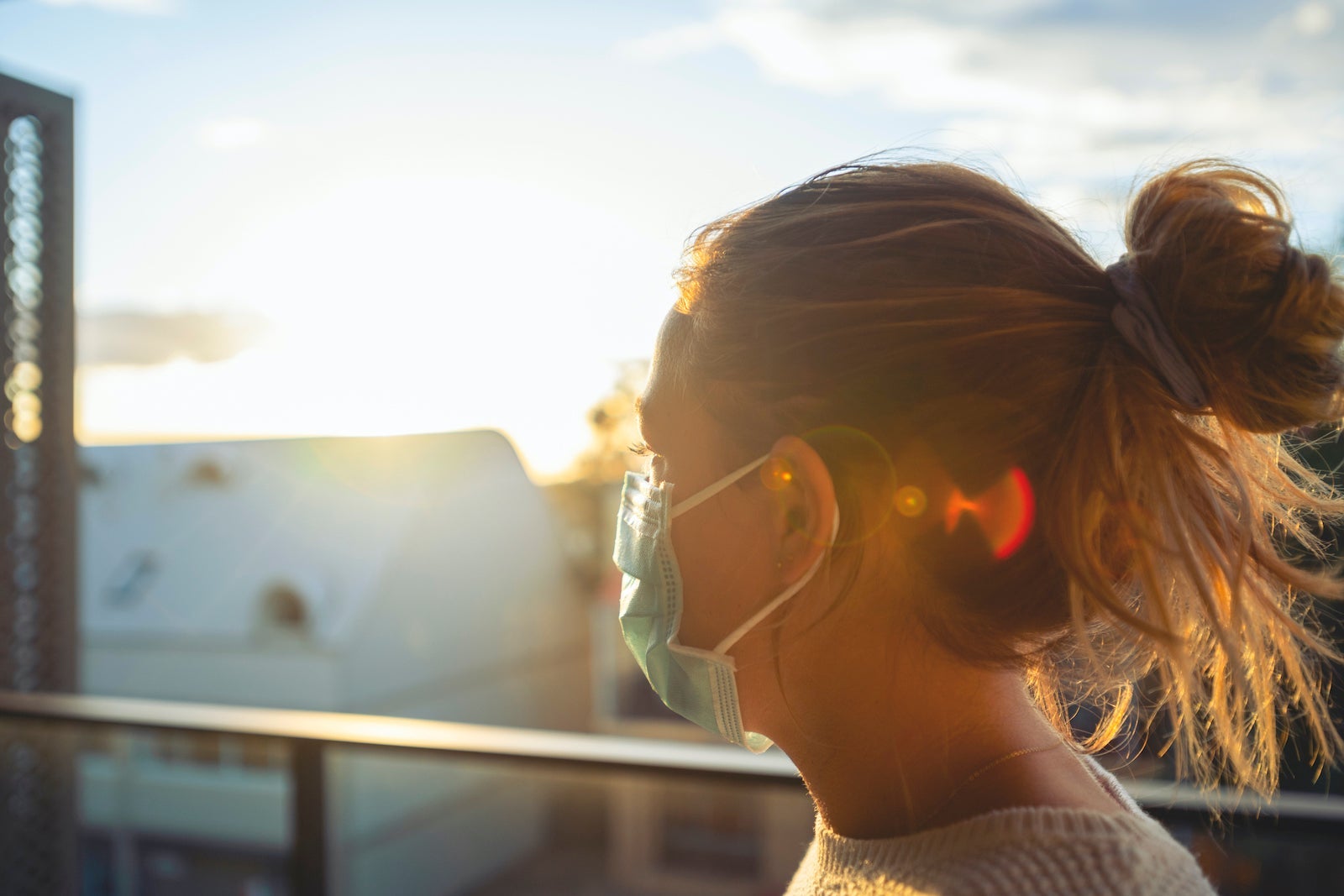
The U.S. Centers for Disease Control and Prevention (CDC) suggests you quarantine for a period of time before traveling. Ten to 14 days is the gold standard. This helps ensure you're not already infected with COVID-19 when you embark on your trip.
Depending on where you're going, you may need to quarantine for a certain amount of time -- in some cases, just until the COVID-19 test you took upon arrival comes back negative. In other destinations, the quarantine period can be as much as 14 days before you can go out and about.
When you return home, the CDC also recommends quarantining out of an abundance of caution that you did not bring COVID-19 back to your local community.
For international trips, get a COVID-19 test three to five days after travel and stay home for seven days after travel. You should stay home the full seven days -- even if your test comes back negative. If you don't get tested, quarantine at home for 10 days after travel.
Related: CDC officially announces shorter quarantine recommendations
Take one (or more) COVID-19 tests
We're at the stage of the pandemic where health officials have begun recommending some combination of multiple COVID-19 tests. This may include testing before a trip, upon arrival, during your stay, prior to departure and a few days after returning home. Depending on the rules where you live and where you're going, it can add up to quite a few tests.
Regardless of any rule, common sense says you should get tested a few days before leaving on your trip. This will give you peace of mind and minimize the risk of unwittingly pass the disease along to others during your travels.
While Americans still aren't allowed entry into many foreign countries, most of the ones that are welcoming us require you to show a negative result from a recent COVID-19 test upon entry.
Some locations, such as Rwanda — where TPG founder Brian Kelly recently visited — require that you take a COVID-19 test upon arrival and then quarantine at your hotel until the results come back. In his case, a negative result was returned within about 12 hours.
Other locations may require or suggest a COVID-19 test a few days after you've arrived at the destination.
And, going into effect on Jan. 26, 2021, all travelers entering the United States -- even U.S. citizens and anyone over the age of 2 -- will need to take a COVID-19 test (and get a negative result) within three days of departure.
While the details about the U.S.'s new reentry rule are still developing, many hotels in destinations that cater to American tourists are already rolling out on-site COVID-19 testing.
Read more about COVID-19 testing for travelers:
- 13 things you need to know about getting COVID-19 tested for U.S.-bound international flights
- On-site COVID-19 tests may be the most valuable hotel perk of 2021 — these resorts have them
Think about your food
There's another important consideration for travel during this pandemic: how to approach eating and drinking on the road. Remember that medical professionals suggest you wear a face mask that covers your nose and mouth whenever in public.
Some airports are fairly crowded right now and, with limited concessions open at each hub, all of the people looking to grab a meal or drink are congregating in the same place.
If possible, dine at home before arriving at the airport and avoid eating and drinking in the airport, the lounge or on the flight. If that's not possible, try to limit the amount of time your mask is off.
If you're drinking a bottle of water to stay hydrated during the flight, keep your mask on between sips. It's what a doctor would advise and it's also the edict on every major U.S. airline. For example, the rule on United Airlines states: "While you can remove your face covering briefly to eat or drink, you must immediately put it back on afterward."
In part to discourage passengers from spending too much time eating or drinking on aircraft, airlines have reduced their inflight offerings so, even if you're hungry, it may be slim picking. Be sure to pack snacks from home or buy supplies at the airport before boarding.
Related: How to protect yourself (and others) on a crowded plane
Pack your patience
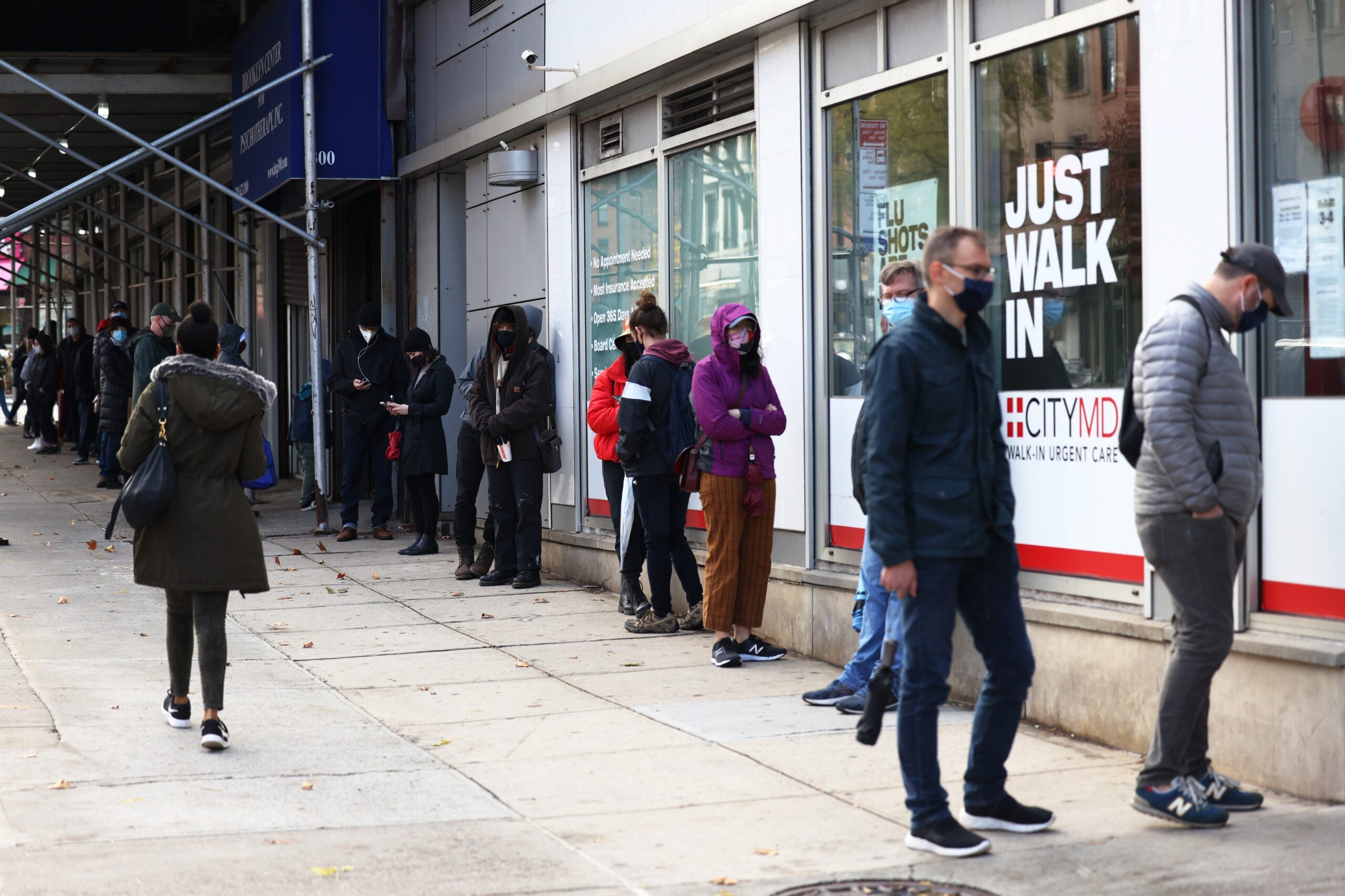
Taking multiple COVID-19 tests in a single week, wearing tracking bracelets and donning a mask to walk through a restaurant lobby on the way to your dinner table may not be the picture of vacation perfection. But, it's the reality of the day.
If you plan to travel in 2021, understand that it will probably be even weirder than if you took to the skies or the road in 2020. Understand the hoops you'll need to jump through, and come to terms with them before your trip or don't travel.
During your vacation, if things don't feel as organic as you'd like, take a deep breath and know that things will get better as vaccinations become more available around the world and traditional mask-wearing, social distancing, testing and contact tracing help stamp out COVID-19.
Bottom line
The world will get back to normal, but we still have a long road ahead of us. Do your part to stay safe when you're at home and when traveling. Taking basic precautions can go a long way to ensuring your safety, and the safety of those around you.
TPG featured card

at American Express's secure site
Terms & restrictions apply. See rates & fees.
| 3X | Earn 3X Miles on Delta purchases. |
| 1X | Earn 1X Miles on all other eligible purchases. |
Pros
- Delta SkyClub access when flying Delta
- Annual companion ticket for travel on Delta (upon renewal)
- Ability to earn MQDs through spending
- Various statement credits for eligible purchases
Cons
- Steep annual fee of $650
- Other Delta cobranded cards offer superior earning categories
- Earn 100,000 Bonus Miles after you spend $6,000 or more in purchases with your new Card within the first 6 months of Card Membership and an additional 25,000 bonus miles after you make an additional $3,000 in purchases on the Card within your first 6 months, starting from the date that your account is opened. Offer Ends 04/01/2026.
- Delta SkyMiles® Reserve American Express Card Members receive 15 Visits per Medallion® Year to the Delta Sky Club® when flying Delta and can unlock an unlimited number of Visits after spending $75,000 in purchases on your Card in a calendar year. Plus, you’ll receive four One-Time Guest Passes each Medallion Year so you can share the experience with family and friends when traveling Delta together.
- Enjoy complimentary access to The Centurion® Lounge in the U.S. and select international locations (as set forth on the Centurion Lounge Website), Sidecar by The Centurion® Lounge in the U.S. (see the Centurion Lounge Website for more information on Sidecar by The Centurion® Lounge availability), and Escape Lounges when flying on a Delta flight booked with the Delta SkyMiles® Reserve American Express Card. § To access Sidecar by The Centurion® Lounge, Card Members must arrive within 90 minutes of their departing flight (including layovers). To access The Centurion® Lounge, Card Members must arrive within 3 hours of their departing flight. Effective July 8, 2026, during a layover, Card Members must arrive within 5 hours of the connecting flight.
- Receive $2,500 Medallion® Qualification Dollars with MQD Headstart each Medallion Qualification Year and earn $1 MQD for each $10 in purchases on your Delta SkyMiles® Reserve American Express Card with MQD Boost to get closer to Status next Medallion Year.
- Enjoy a Companion Certificate on a Delta First, Delta Comfort, or Delta Main round-trip flight to select destinations each year after renewal of your Card. The Companion Certificate requires payment of government-imposed taxes and fees of between $22 and $250 (for itineraries with up to four flight segments). Baggage charges and other restrictions apply. Delta Basic experiences are not eligible for this benefit.
- $240 Resy Credit: When you use your Delta SkyMiles® Reserve American Express Card for eligible purchases with U.S. Resy restaurants, you can earn up to $20 each month in statement credits. Enrollment required.
- $120 Rideshare Credit: Earn up to $10 back in statement credits each month after you use your Delta SkyMiles® Reserve American Express Card to pay for U.S. rideshare purchases with select providers. Enrollment required.
- Delta SkyMiles® Reserve American Express Card Members get 15% off when using miles to book Award Travel on Delta flights through delta.com and the Fly Delta app. Discount not applicable to partner-operated flights or to taxes and fees.
- With your Delta SkyMiles® Reserve American Express Card, receive upgrade priority over others with the same Medallion tier, product and fare experience purchased, and Million Miler milestone when you fly with Delta.
- Earn 3X Miles on Delta purchases and earn 1X Miles on all other eligible purchases.
- No Foreign Transaction Fees. Enjoy international travel without additional fees on purchases made abroad.
- $650 Annual Fee.
- Apply with confidence. Know if you're approved for a Card with no impact to your credit score. If you're approved and you choose to accept this Card, your credit score may be impacted.
- Terms Apply.
- See Rates & Fees