How to choose an Indigenous-led travel experience

Editor's Note
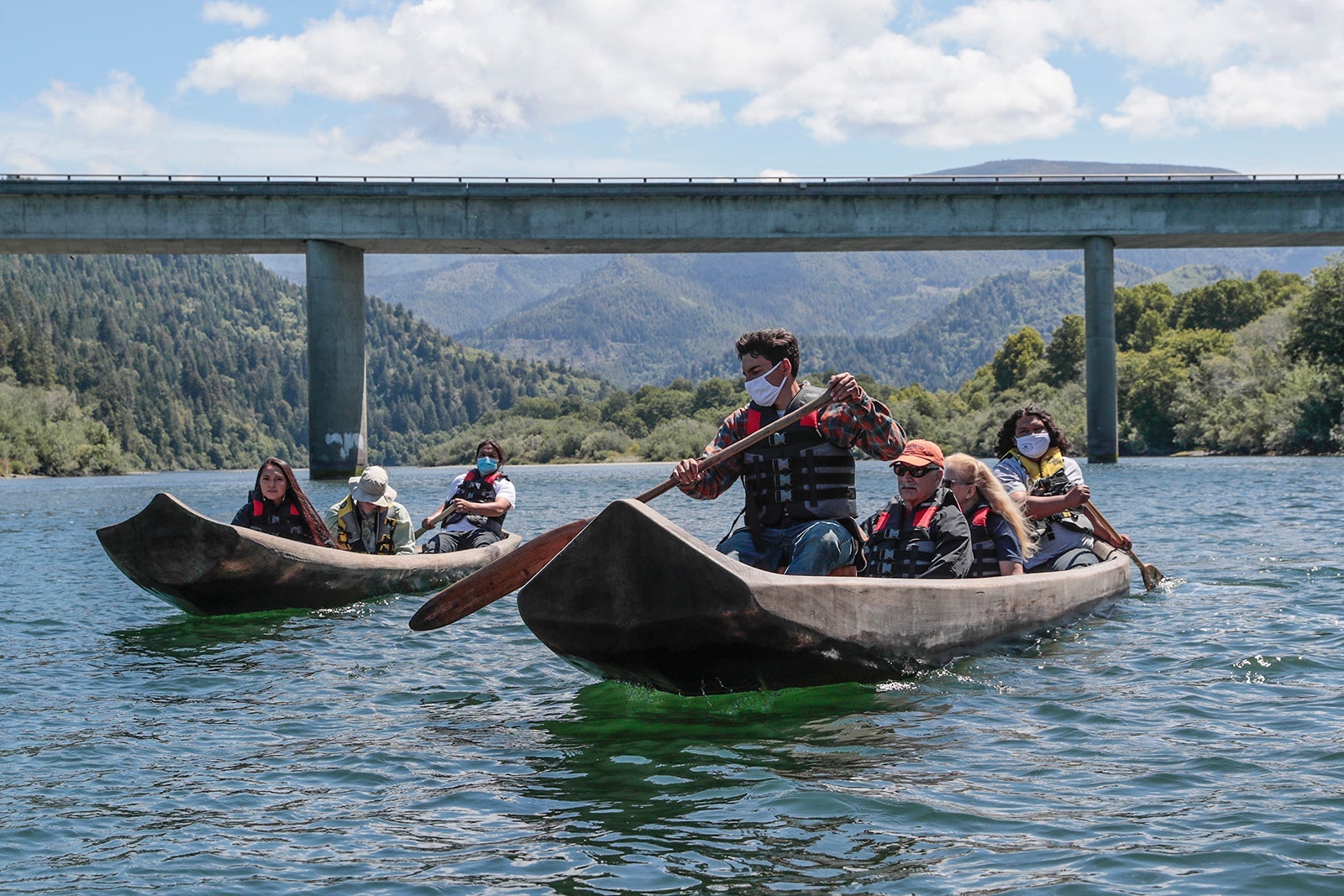
From Alaska to Australia, Indigenous communities around the world are creating travel experiences that allow visitors to learn more about their history, their culture and their future.
Led by the communities themselves, these new tourism initiatives allow Indigenous peoples to create impactful experiences that help to preserve their culture and educate visitors.
For travelers interested in more diverse and intentional travel experiences, it's important to seek out authentic opportunities led by people of that culture. Doing so will not only enrich the life of the traveler but also help with the ongoing fight for Indigenous self-determination and understanding.
The rise of Indigenous-led tourism experiences
What sets the newest trend of Indigenous tourism apart is that the businesses leading the charge are owned or led by members of Indigenous communities themselves. This means the experiences generally are more genuine, less exploitative and give back directly to the community.
Interest in Indigenous culture and communities is not new. There have been tourism experiences in Indigenous communities for hundreds of years. Unfortunately, these experiences, mostly initiated by others, were often exploitative, appropriative or outright destructive, rather than beneficial.
Historical examples like the famous "Buffalo Bill's Wild West" show of the late 1800s and the existence of so-called ethnological exhibitions or human zoos, which featured Indigenous peoples held and placed on display until the mid-20th century, perpetuated racist stereotypes.
Even today, companies owned by outsiders often exploit and appropriate Indigenous communities and religious practices for tourist dollars, such as the popular Ayahuasca tours in South America.
Fortunately, the majority of Indigenous-led tourism experiences nowadays specifically seek to use tourism as a vehicle for cultural preservation. In the last 10 years, hundreds of such businesses have cropped up around the world, and several tourism organizations have formed in order to help them succeed.
What types of experiences are available?
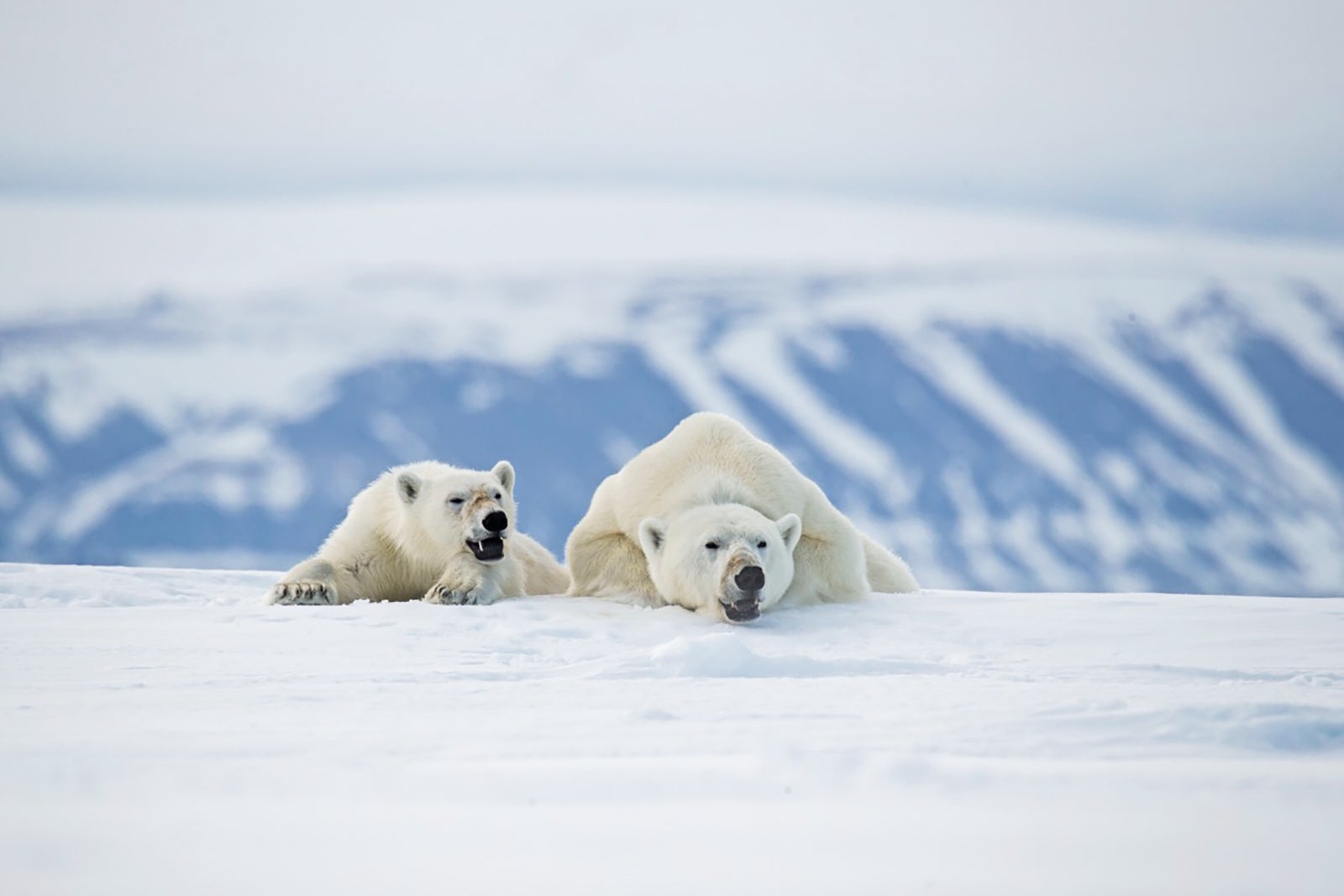
The Indigenous tourism experiences cropping up across the Americas and around the world reflect the diversity of Indigenous communities themselves.

"Probably the most important thing to know about visiting Indian country is that there really is no such thing as one Indian country," said Sherry Rupert, chief executive officer of the American Indian Alaska Native Tourism Association.
No one type of activity or location makes a tourism experience more or less Indigenous. Instead, it's the communities themselves that make the experiences unique. The breadth of opportunities available is representative of the diversity of experiences, locations and cultures found within Indigenous communities themselves.
Because of the variety of options available, there is an Indigenous-led activity or experience available for every type of traveler.
For example, adventure travelers interested in remote experiences can travel to the Arctic with a company like Arctic Bay Adventures, an Inuit-owned and -operated company that runs polar expeditions in Canada's rural Nunavut province.
Those more interested in cultural experiences might enjoy the award-winning Wukalina Walk, a four-day, three-night hiking experience guided by Australia's Indigenous Palawa community. Visitors traverse Wukalina, also known as Mount William National Park, in the Australian state of Tasmania while learning more about the land, the Palawa community and the culture.
For something more modern and urban, the Agua Caliente band of Cahuilla Indians has opened a multimillion-dollar cultural plaza right in the middle of downtown Palm Springs, California.
"Look, we're contemporary, we're traditional, we're urban, we're remote. People just don't realize ... because a lot of their images come from movies, right?" Keith Henry, president and CEO of the Indigenous Tourism Association of Canada, said of the diversity of experiences available.
Why supporting these businesses matters
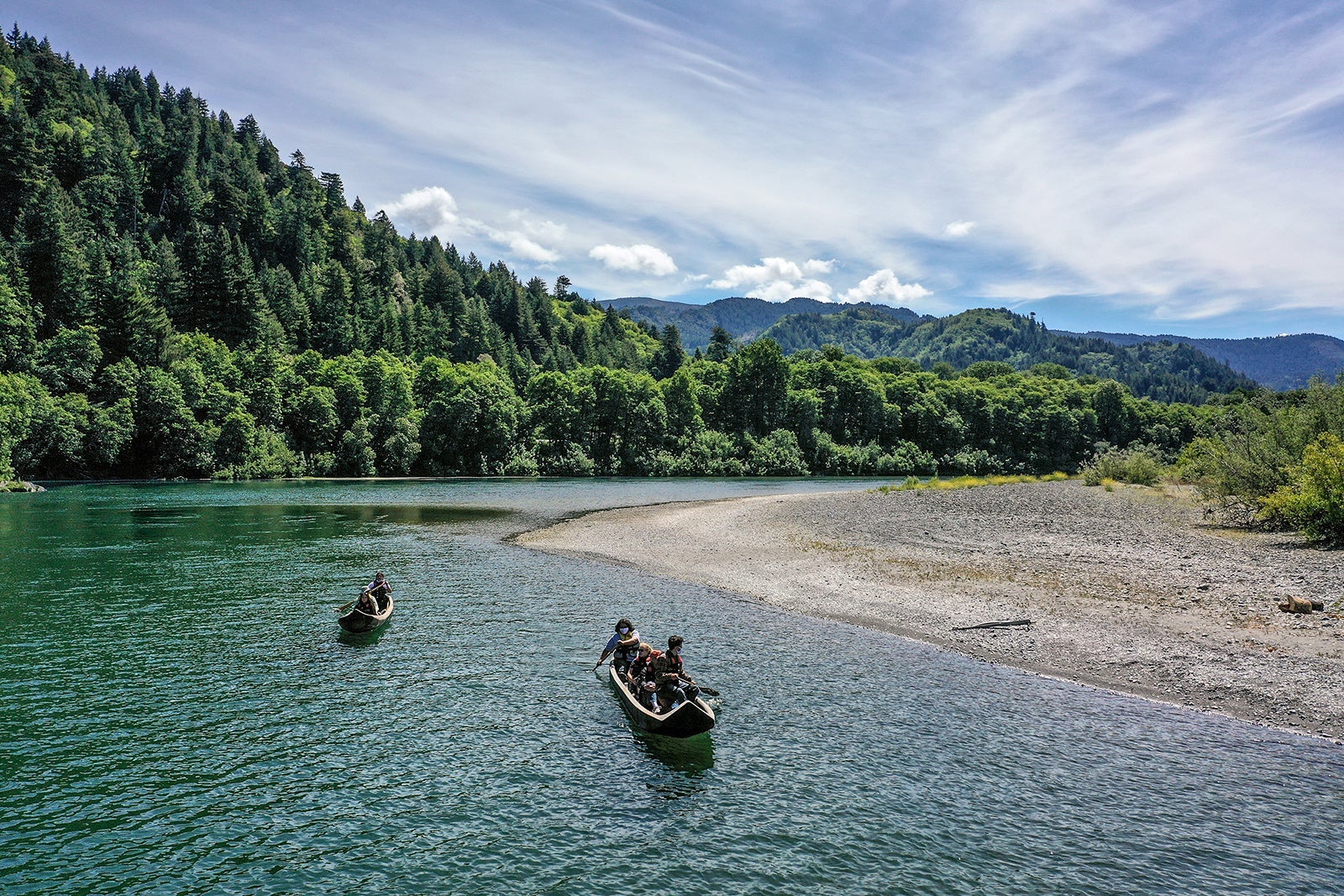
In 2021, AIANTA released the results of an economic impact study of tourism in Indigenous communities in the U.S. That study concluded that Native-owned hospitality businesses are a $14 billion industry.
While job creation matters regardless of which destination you look at, it's especially important in more rural communities, where jobs are often extremely limited. As a result, tourism tends to play a major part in the local economy by introducing a sizable number of jobs. However, this isn't what many communities see as the most important factor when it comes to offering Indigenous experiences.
"Tourism also supports cultural workers, such as guides, artists, dancers and presenters, as they share their culture and traditions," Rupert said. "It allows for the tribe to support cultural training programs so that culture can be passed down from generation to generation and shared with visitors."
Both Rupert and Henry also stressed the educational opportunities inherent in taking part in these kinds of tourism experiences, which allow Indigenous peoples to share their own stories with visitors. After all, much of what we have learned about Indigenous peoples around the world is incorrect and based on racial stereotypes.
By partaking in these Indigenous-led experiences, travelers gain a better understanding of these communities and their culture, which they can then share with others to help dispel this misinformation.
How to find an Indigenous tourism experience
"We know that there is very strong interest internationally for Indigenous experiences," said Phil Lockyer, head of Indigenous affairs at Tourism Australia. "I think that people ... not just travelers, but partners and distribution as well, don't necessarily know how to access them effectively."
So, how do you find authentic Indigenous travel experiences?
The most important thing to consider when searching for an Indigenous tourism experience is that you find one that's actually run or at least led by Indigenous peoples. This ensures that the information you're receiving is accurate and the experience itself is helpful, rather than harmful, to that community.
Most businesses that are run or led by Indigenous peoples will specifically make mention of it on their websites. Look for businesses that specifically identify the particular tribe or community with which the business is associated. Another option is to check out organizations like ITAC and AIANTA, which work with Indigenous peoples to help grow and market tourism businesses in Indigenous communities.
On the consumer side, these organizations also host websites that make it easier to find experiences that are owned or led by Indigenous entrepreneurs. NativeAmerica.travel, which serves as a resource for those searching for authentic Indigenous travel experiences in the U.S., including in Alaska and Hawaii, is one such website.
ITAC has a similar website for Canadian experiences called Destination Indigenous and works with a host of other Indigenous tourism organizations that are organized by province.
Likewise, Tourism Australia has a section on its website called Discover Aboriginal Experiences that allows visitors to explore options to connect with Indigenous tourism businesses across the country.
There are numerous Indigenous-led travel experiences across Latin America as well, though these are currently easiest to find by individually searching for them on Google.
Keep in mind that when searching for these kinds of experiences, not every tourism business that focuses on Indigenous cultures and peoples is Indigenous-led. Many companies will offer Indigenous experiences and perhaps even hire a few members of an Indigenous community to lend credibility to something that isn't necessarily helpful or even respectful to the group at large.
To avoid doing more harm than good, it's generally best to steer clear of anything that seems to allow unfettered access to sacred sites, such as climbing Uluru in Australia, or promises to allow outsiders access to religious ceremonies.
"Indigenous perspective isn't really driven necessarily by economics," Henry said. "I find the biggest benefit has been in our communities ... realizing this is a very powerful engine to support cultural revitalization."
Related reading:
- Key travel tips you need to know — whether you're a beginner or an expert traveler
- The best travel credit cards
- Where to go in 2024: The 16 best places to travel
- 6 real-life strategies you can use when your flight is canceled or delayed
- 8 of the best credit cards for general travel purchases
- 13 must-have items the TPG team can't travel without
TPG featured card
at American Express's secure site
Terms & restrictions apply. See rates & fees.
| 4X | Earn 4X Membership Rewards® points per dollar spent on purchases at restaurants worldwide, on up to $50,000 in purchases per calendar year, then 1X points for the rest of the year. |
| 4X | Earn 4X Membership Rewards® points per dollar spent at US supermarkets, on up to $25,000 in purchases per calendar year, then 1X points for the rest of the year. |
| 5X | Earn 5X Membership Rewards® points on prepaid hotel stays booked through AmexTravel.com or the Amex Travel App™. |
| 3X | Earn 3X Membership Rewards® points on flights booked through AmexTravel.com, the Amex Travel App™, or purchased directly from airlines. |
| 2X | Earn 2X Membership Rewards® points on prepaid car rentals booked through AmexTravel.com or the Amex Travel App™ and cruises booked and paid through AmexTravel.com. |
| 1X | Earn 1X Membership Rewards® point per dollar spent on all other eligible purchases. |
Pros
- Valuable dining and food-related credits
- Flexible rewards with airline and hotel transfer partners
- Multiple travel and purchase protections
- No foreign transaction fees
- Access to Amex Offers for additional savings (enrollment required)
Cons
- Not as useful for those living outside the U.S.
- Some may have trouble using Uber and other dining credits
- You may be eligible for as high as 100,000 Membership Rewards® Points after you spend $8,000 in eligible purchases on your new Card in your first 6 months of Card Membership. Welcome offers vary and you may not be eligible for an offer. Apply to know if you’re approved and find out your exact welcome offer amount – all with no credit score impact. If you’re approved and choose to accept the Card, your score may be impacted.
- Earn 4X Membership Rewards® points per dollar spent on purchases at restaurants worldwide, on up to $50,000 in purchases per calendar year, then 1X points for the rest of the year.
- Earn 4X Membership Rewards® points per dollar spent at US supermarkets, on up to $25,000 in purchases per calendar year, then 1X points for the rest of the year.
- Earn 5X Membership Rewards® points on prepaid hotel stays booked through AmexTravel.com or the Amex Travel App™.
- Earn 3X Membership Rewards® points on flights booked through AmexTravel.com, the Amex Travel App™, or purchased directly from airlines.
- Earn 2X Membership Rewards® points on prepaid car rentals booked through AmexTravel.com or the Amex Travel App™ and cruises booked and paid through AmexTravel.com.
- Earn 1X Membership Rewards® point per dollar spent on all other eligible purchases.
- Pay It® lets you tap in the American Express® App to quickly pay for small purchase amounts throughout the month and still earn rewards the way you usually do. Plan It® gives you the option to split up big purchases into equal monthly payments with a fixed fee. You’ll know upfront exactly how much you’ll pay.
- $120 Dining Credit: Earn up to a total of $10 in statement credits monthly when you pay with the Gold Card at Grubhub (including Seamless), Buffalo Wild Wings, Five Guys, The Cheesecake Factory, and Wonder. This can be an annual savings of up to $120. Enrollment required.
- $100 Resy Credit: Get up to $100 in statement credits each calendar year at over 10,000 qualifying U.S. Resy restaurants after you pay for eligible purchases with the American Express® Gold Card. That’s up to $50 in statement credits semi-annually. Enrollment required.
- $84 Dunkin' Credit: Earn up to $7 in monthly statement credits after you pay with the American Express® Gold Card at U.S. Dunkin’ locations. Enrollment required.
- $120 Uber Cash on Gold: Enjoy up to $120 in Uber Cash annually with your Gold Card. Just add your Card to your Uber account and you'll get $10 in Uber Cash each month to use on orders and rides in the U.S. when you select an Amex Card for your transaction.
- Enjoy complimentary Hertz Five Star® Status benefits like skipping the counter at select locations, adding an additional driver at no additional cost*, and vehicle upgrades**. Benefit enrollment and Hertz Gold+ registration are required. *Additional drivers must meet standard rental qualifications and must be a spouse or domestic partner to qualify as complimentary. Other additional drivers subject to fees. **Benefits are subject to availability and vary by location. Additional Hertz program Terms and Conditions including age restrictions apply.
- Book two nights or more with The Hotel Collection through AmexTravel.com or the Amex Travel App™ and receive a $100* credit towards eligible charges at over 1,400 upscale hotels worldwide. *Eligible charges vary by property.
- Book your travel through the Amex Travel App™ with added peace of mind – backed by American Express® service and support. Only for American Express® Card Members.
- Whenever you need us, we're here. Our Member Services team will ensure you are taken care of. From lost Card replacement to statement questions, we are available to help 24/7.
- No Foreign Transaction Fees.
- Annual Fee is $325.
- Terms Apply.