The best times to visit Japan


Editor's Note
There are many reasons visitors flock to Japan, the Land of the Rising Sun.
Here, you can immerse yourself in ancient traditions intertwined with modern innovation while appreciating majestic temples that coexist with bustling city streets. Each season paints a different picturesque landscape, creating something new to admire with every visit.
Given all the unique aspects of this captivating country, deciding on the best time to visit Japan can seem daunting. Fortunately, there are several times that stand out, whether you wish to witness the magical cherry blossom season, visit Tokyo Disney Resort or take advantage of flight and accommodation deals.
Here's everything you need to know about the best times to visit Japan so you can plan a memorable trip based on your priorities.
The best time to visit Japan for good weather
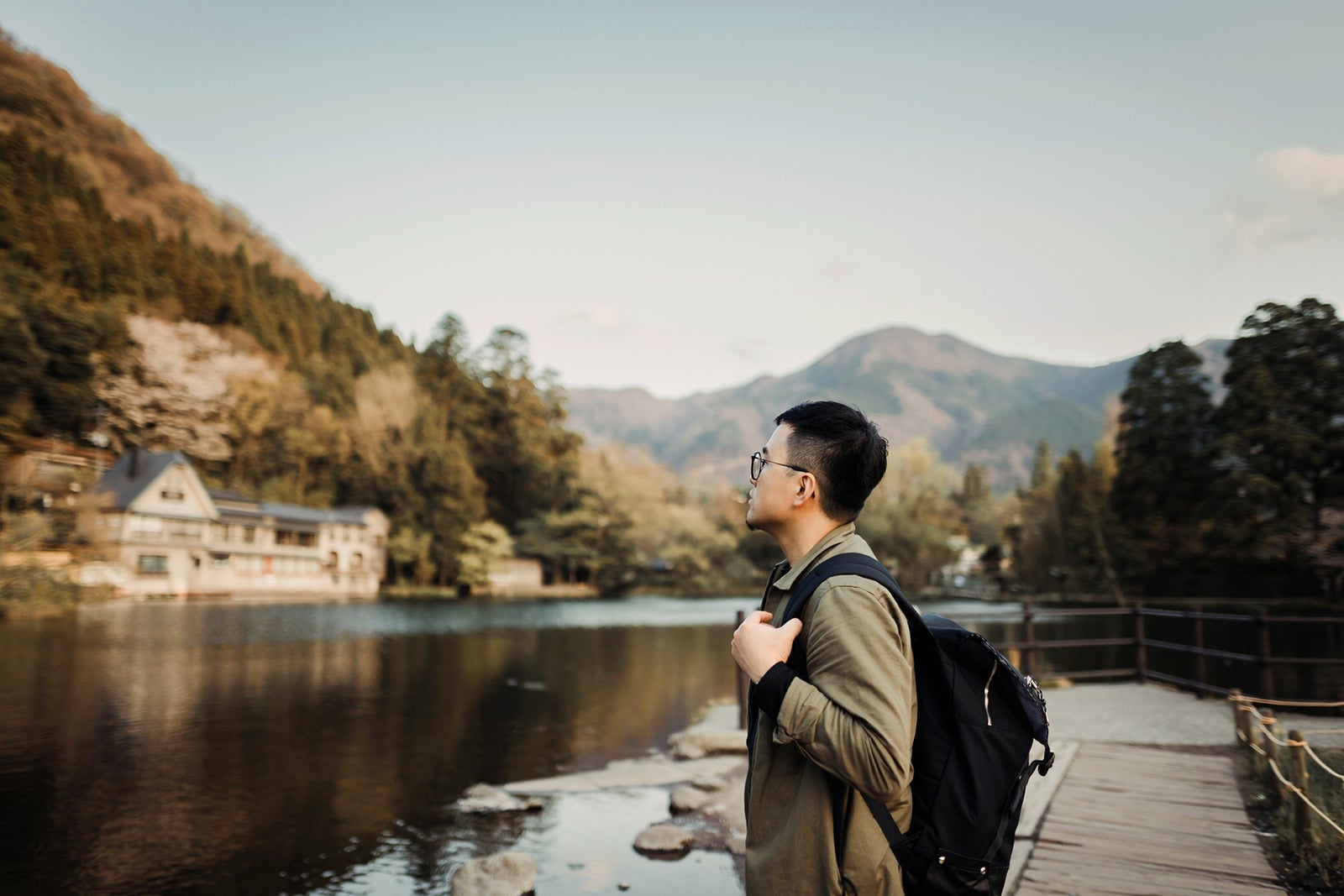
Japan's weather pattern exhibits four distinct seasons: spring, summer, autumn and winter. Each season offers its own unique attractions and experiences to enjoy.
Spring (March to May) is renowned for its cherry blossoms and comfortable temperatures. With most days hovering between 50 and 70 degrees Fahrenheit, you'll generally find perfect conditions for outdoor activities like hiking and biking.
Japan's summer (June to August) can be hot and humid, often exceeding 80 degrees. Even with the heat, the season draws visitors keen on trekking the country's stunning mountains and lounging on its beaches. Also, summer's long daylight hours allow ample time to get outside and experience all the country has to offer, including numerous vibrant festivals.
Autumn (September to November) brings a refreshing break from summer's humidity. The temperatures range from 50 to 70 degrees, making it possible to comfortably enjoy various outdoor activities. The changing colors of fall foliage, known as koyo ("red leaves" in Japanese) or momiji (the Japanese word for the red-tinted maple leaves in the fall), transform Japan's landscapes into riotous red, orange and gold hues.
Lastly, winter (December to February) can be cold, especially in the northern regions with heavy snowfall. Despite the chilly conditions — average temperatures sit between 40 and 50 degrees — winter illuminations and opportunities for snow sports in Japan's world-class ski resorts make the season a worthwhile time to visit.

While temperatures vary widely from season to season, each time of year brings noteworthy opportunities. The best time to visit for superb weather ultimately depends on your interests and preferences.
Best times to witness Japan's festivals
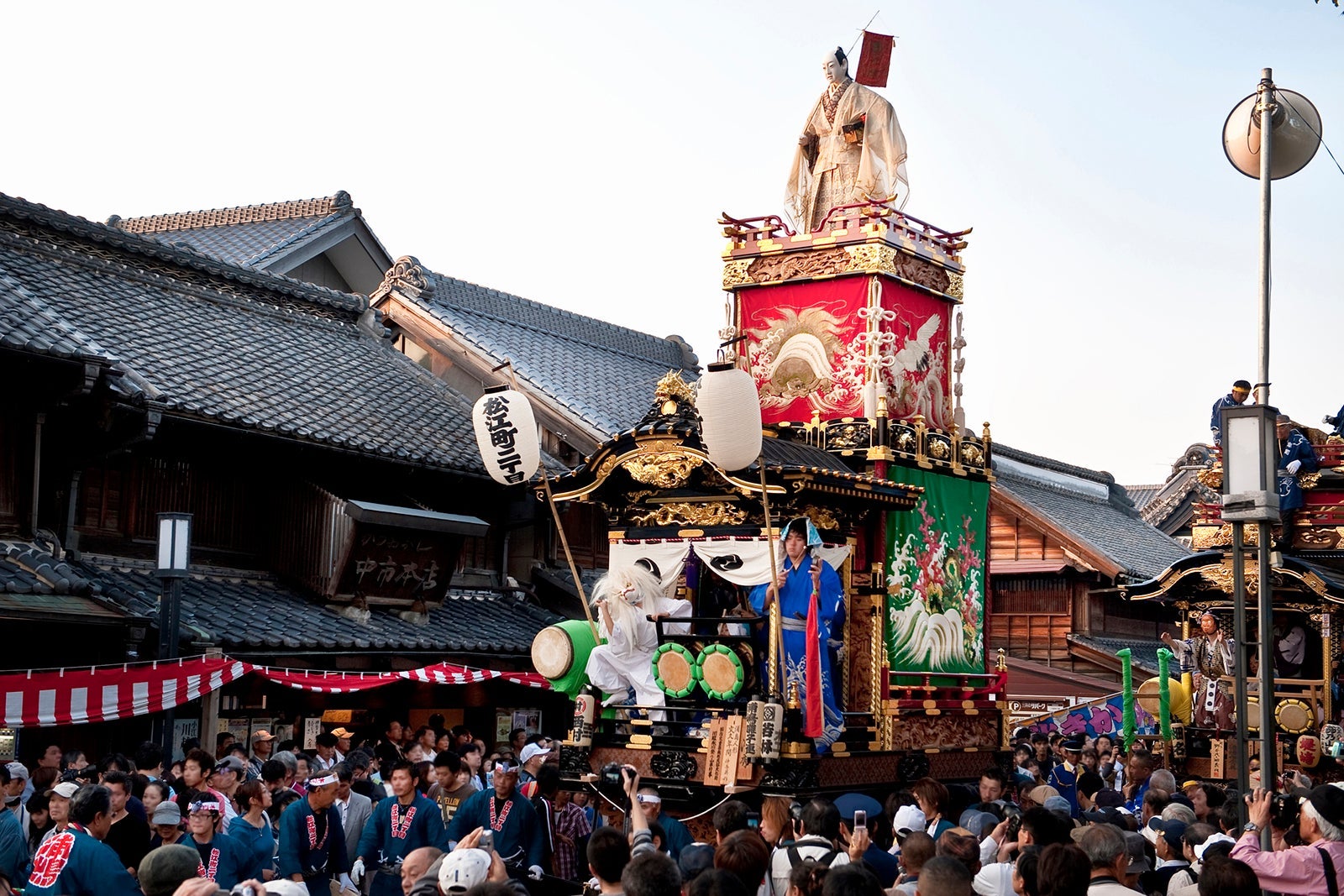
Japan's festivals, known as matsuri, are colorful, vibrant affairs that provide unique insights into the country's cultural and spiritual life.
One of Japan's most renowned festivals takes place every summer in Kyoto. Gion Matsuri, a monthlong celebration in July, features elaborate processions with traditional yama and hoko floats.
If you're a fan of lively dance, the Awa Odori festival, held every August in Tokushima on Shikoku Island, is a must-see. It's one of Japan's most prominent dance festivals and is part of the Obon season, a Buddhist event that honors the spirits of ancestors. Thousands of dancers fill the streets to perform the characteristic Awa dance while spectators cheer, creating infectious joy and excitement.
As autumn begins, visitors head to Osaka to attend the Kishiwada Danjiri Matsuri. Held annually in Kishiwada, this September festival is among Japan's most thrilling. It is known for its danjiri (ornately decorated wooden floats), which local teams pull through the city streets at incredible speeds. This daring festival is a heart-stopping spectacle that symbolizes community strength and unity.
The Takayama Festival, a charming event in the mountainous city of Takayama, is another one you won't want to miss. Taking place twice a year in October and April, the festival showcases traditional Japanese puppet theater, mikoshi processions and stunning lantern displays.
For winter visits, time your arrival around the Sapporo Snow Festival in February. This spectacular event in Sapporo showcases massive snow and ice sculptures, attracting millions of visitors.
Or, end the year with a flourish by partaking in December's Chichibu Night Festival. A fantastic winter event in Chichibu, just 90 minutes northwest of Tokyo, this celebration is considered one of Japan's top festivals featuring floats — and for a good reason. The dazzling floats adorned with intricate woodwork, detailed tapestries and gilded decorations are a sight to behold. Additionally, the festival includes a spectacular fireworks display, adding a sparkling finale to the year.
Best time to see cherry blossoms in Japan
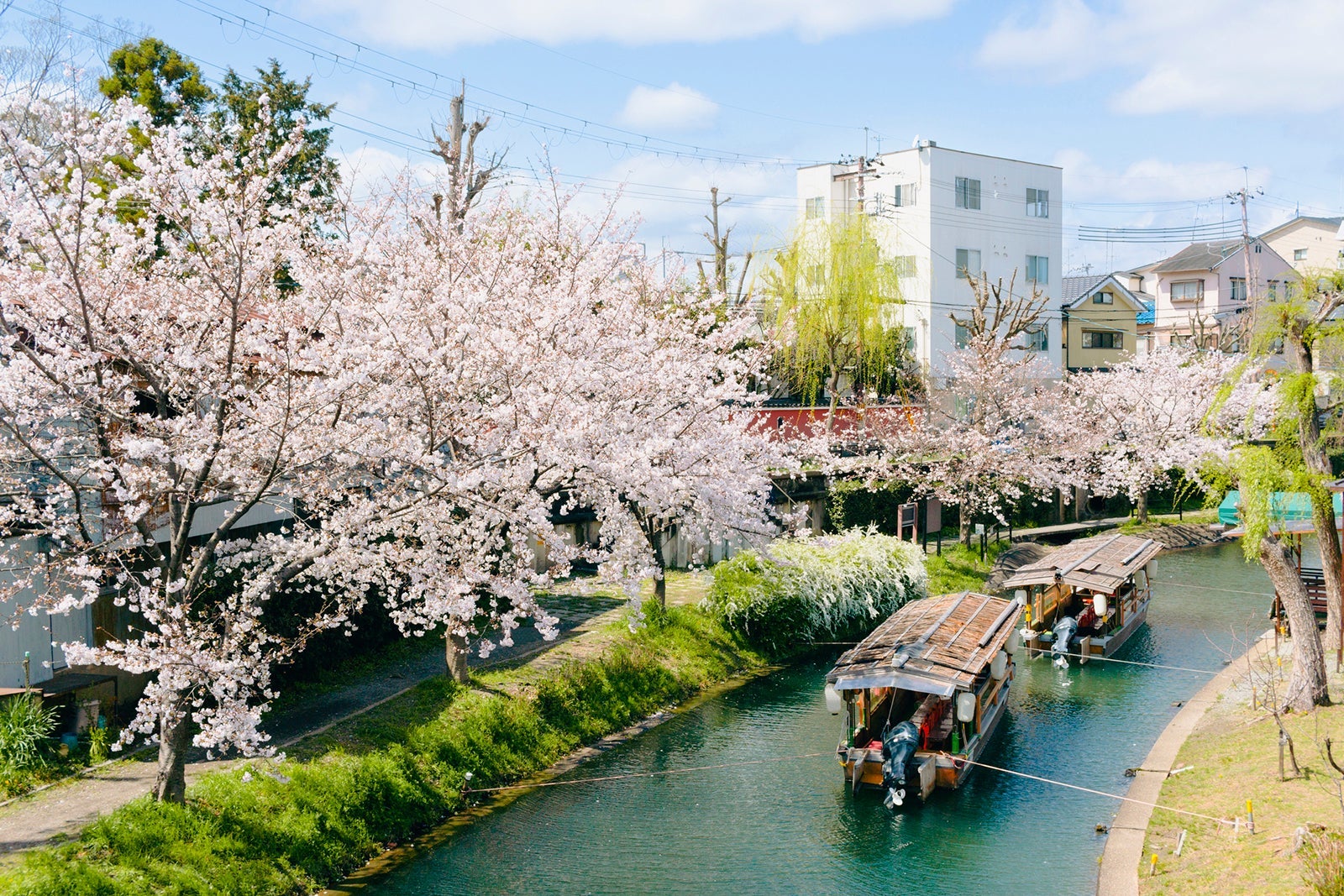
Japan's cherry blossom (or sakura) season is a treasured time when landscapes transform into romantic canvases splashed with delicate pink hues. Sakura season typically begins in late March and runs through early April, though the exact timing varies from year to year and from south to north.
Popular cherry blossom viewing spots include Ueno Park and Chidorigafuchi in Tokyo, Maruyama Park in Kyoto and Hirosaki Park in Aomori. Hanami parties, where people gather under blooming sakura trees for picnics and celebrations, frequently occur during this time of year and shouldn't be missed.
Flower-watching celebrations happen across Japan from mid-March through early May, though peak bloom dates vary slightly depending on location. For 2024, the earliest peak bloom dates are expected by March 26 in Kochi, with peak bloom estimated for March 30 in Tokyo and April 1 in Kyoto. For estimated dates for more than 1,000 viewing locations, see the Japan Meteorological Corporation's 2024 forecast.
Related: The best places to see cherry blossoms around the US
Best time for skiing in Japan
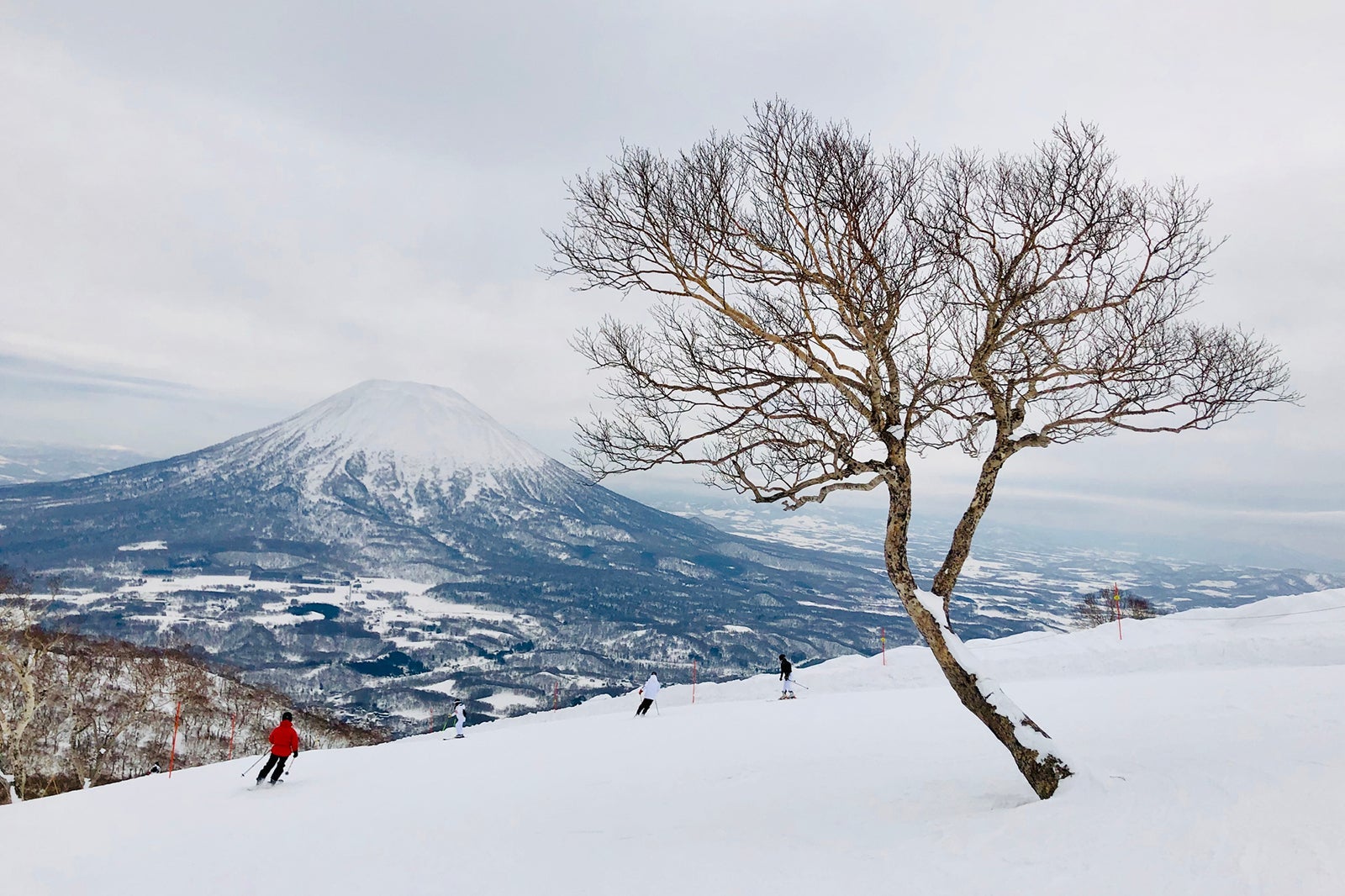
Japan's winter sports scene is internationally recognized thanks to its powdery snow, top-notch facilities and stunning mountain scenery. The onset of snowfall typically occurs in mid-November on the northern island of Hokkaido, resulting in the first ski resorts — usually Niseko, Rusutsu and Kiroro — beginning to open during the third week of that month.
Related: How (and why) to plan a ski trip to Niseko, Japan, with points and miles
The powder snow, renowned in Japan, is usually abundant from December to February. For those seeking optimal powder conditions, January and February are the recommended months to visit. On Honshu, Japan's main island, Nagano — the host of the 1998 Winter Olympics — also offers excellent skiing opportunities at resorts like Hakuba.
Related: Why it might be cheaper to fly abroad to ski
Best times to visit Tokyo Disney Resort

Visiting Tokyo Disney Resort, home of Tokyo Disneyland and Tokyo DisneySea, is a magical experience for all ages, with thrilling rides, enchanting parades and a chance to meet beloved Disney characters.
The parks are open throughout the year, but if you want to avoid the largest crowds, consider visiting between mid-January and mid-March or between mid-September and mid-November. The weather is generally comfortable during these periods, with fewer local and international tourists.
To truly bypass hordes of tourists, avoid visiting during Japan's major holiday periods, such as Golden Week (late April to early May) and Obon (mid-August), as these are peak times for domestic travel and can result in overcrowded conditions.
Related: Fantasy Springs is Tokyo Disney's biggest expansion yet — here's a sneak peek
Cheapest times to visit Japan
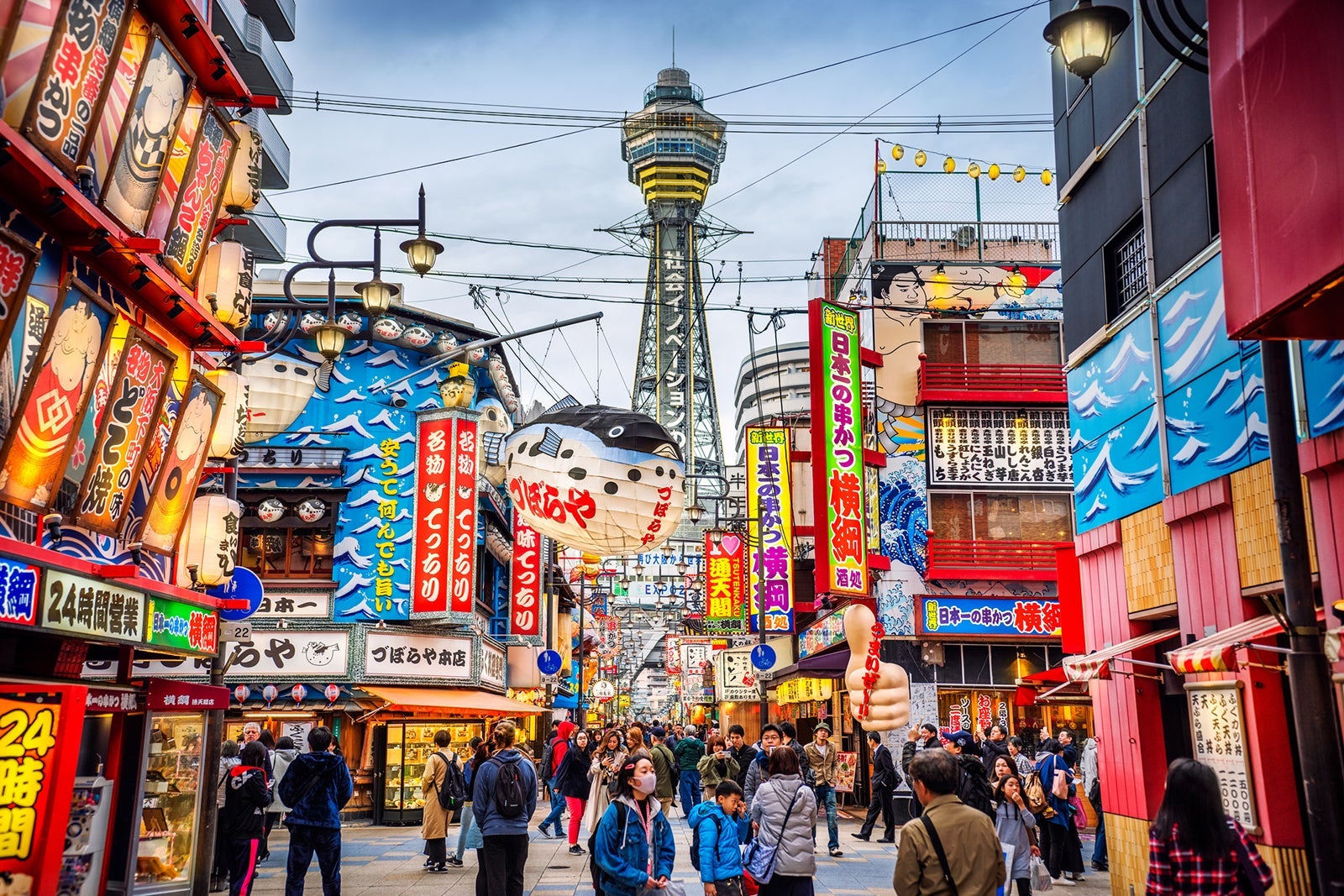
For budget-conscious travelers, visiting Japan during the shoulder seasons — late May to early June and late November to early December — can be more economical. These times fall right after Golden Week in spring and autumn's koyo season but before the busy summer and winter holidays. You'll find fewer tourists, so flight prices can be significantly cheaper, costing up to 18% less than the average yearly prices, according to Skyscanner. Hotel rates also historically take a dip in these slower seasons.
In addition to the shoulder seasons, winter is an excellent time to visit when sticking to a tight budget. Japan becomes notably affordable once you steer clear of the holiday season. Moreover, from mid-January to mid-March, you can relish the added benefit of experiencing a less congested environment while out and about.
Related: The best ways to travel to Japan with points and miles
Bottom line
Ultimately, the best time to visit Japan depends on your interests and the experience you wish to have. Whether you want to view the ephemeral sakura, ski down powdery slopes, immerse yourself in vibrant festivals or witness the magic of Tokyo Disney Resort, Japan always has something to offer.
Each season and festival has its unique charm and allure, inviting you to uncover the multifaceted beauty of this incredible nation.
Related reading:
- How to avoid the crowds while traveling in Japan
- A beginners guide to visiting Tokyo: Everything you need to eat, see and do
- The 11 best hotels in Tokyo for your next Japan getaway
- Teppanyaki: Norwegian Cruise Line's take on the art of Japanese grilling (with menu)
- The best ways to travel to Japan with points and miles
TPG featured card

at Capital One's secure site
Terms & restrictions apply. See rates & fees.
| 5X miles | Earn 5X miles on hotels, vacation rentals and rental cars booked through Capital One Travel |
| 2X miles | Earn unlimited 2X miles on every purchase, every day |
Pros
- Stellar welcome offer of 75,000 miles after spending $4,000 on purchases in the first three months from account opening. Plus, a $250 Capital One Travel credit to use in your first cardholder year upon account opening.
- You'll earn 2 miles per dollar on every purchase, which means you won't have to worry about memorizing bonus categories
- Rewards are versatile and can be redeemed for a statement credit or transferred to Capital One’s transfer partners
Cons
- Highest bonus-earning categories only on travel booked via Capital One Travel
- LIMITED-TIME OFFER: Enjoy $250 to use on Capital One Travel in your first cardholder year, plus earn 75,000 bonus miles once you spend $4,000 on purchases within the first 3 months from account opening - that’s equal to $1,000 in travel
- Earn unlimited 2X miles on every purchase, every day
- Earn 5X miles on hotels, vacation rentals and rental cars booked through Capital One Travel
- Miles won't expire for the life of the account and there's no limit to how many you can earn
- Receive up to a $120 credit for Global Entry or TSA PreCheck®
- Use your miles to get reimbursed for any travel purchase—or redeem by booking a trip through Capital One Travel
- Enjoy a $50 experience credit and other premium benefits with every hotel and vacation rental booked from the Lifestyle Collection
- Transfer your miles to your choice of 15+ travel loyalty programs
- Top rated mobile app