The Points Guy believes that credit cards can transform lives, helping you leverage everyday spending for cash back or travel experiences that might otherwise be out of reach. That's why we publish a variety of editorial content and card comparisons: to help you find a great card to turn your goals into reality.
Our site may earn compensation when a customer clicks on a link, when an application is approved, or when an account is opened with our partners, and this may impact how or where these products appear. While we don't cover all available credit cards, our editorial team creates and maintains all of the analysis of these cards, and our content is not influenced nor subject to review by any credit card company, bank or partner prior to (or after) publication. Please view our advertising policy and product review methodology for more information.
Advertiser disclosure
The Points Guy believes that credit cards can transform lives, helping you leverage everyday spending for cash back or travel experiences that might otherwise be out of reach. That's why we publish a variety of editorial content and card comparisons: to help you find a great card to turn your goals into reality.
Our site may earn compensation when a customer clicks on a link, when an application is approved, or when an account is opened with our partners, and this may impact how or where these products appear. While we don't cover all available credit cards, our editorial team creates and maintains all of the analysis of these cards, and our content is not influenced nor subject to review by any credit card company, bank or partner prior to (or after) publication. Please view our advertising policy and product review methodology for more information.
Jennifer is a contributing writer to The Points Guy where she focuses on family travel. She is also the founder of Deals We Like where she helps her readers travel on a deal.
August 5, 2024 • 8 min read
The cards we feature here are from partners who compensate us when you are approved through our site, and this may impact how or where these products appear. We don't cover all available credit cards, but our analysis, reviews, and opinions are entirely from our editorial team. Terms apply to the offers listed on this page. Please view our advertising policy and product review methodology for more information.Editorial disclaimer: Opinions expressed here are the author's alone, not those of any bank, credit card issuer, airline or hotel chain, and have not been reviewed, approved or otherwise endorsed by any of these entities.
Comments
By commenting, you agree to our Community Guidelines to help create a positive space for conversation. The responses below are not provided or commissioned by the bank advertiser, our partners, or The Points Guy (“TPG”). They have not been reviewed, approved, or otherwise endorsed by any of these parties. All responses are submitted by individual contributors, and neither the bank advertiser, our partners, nor TPG are responsible for ensuring that all posts and/or questions are answered.
Related stories
Quick summary
Credit scores are three-digit numbers, typically ranging from 300 to 850, used by lenders to assess the likelihood of timely loan repayment.
Major factors influencing credit scores include payment history, amounts owed, length of credit history, new credit, and credit mix.
Consistently paying bills on time, maintaining a low debt-to-credit ratio, and correcting errors on your credit report are key ways to improve your score.
Common misconceptions include the belief in quick fixes and that fewer credit accounts are always better; responsible management of multiple accounts can actually help.
What to consider
Opening too many new accounts in a short period can negatively impact your score, as it may signal financial distress to lenders.
A very low, but not zero, credit utilization ratio is generally preferred by scoring models over no utilization at all.
Errors on your credit report can significantly affect your score, so regularly reviewing and disputing inaccuracies is important.
What you'll miss from the article
A detailed breakdown of each credit score factor and practical steps for improving your score over time.
Generated by AI with support from our editorial team.
Update: Some offers mentioned below are no longer available. View the current offers here.
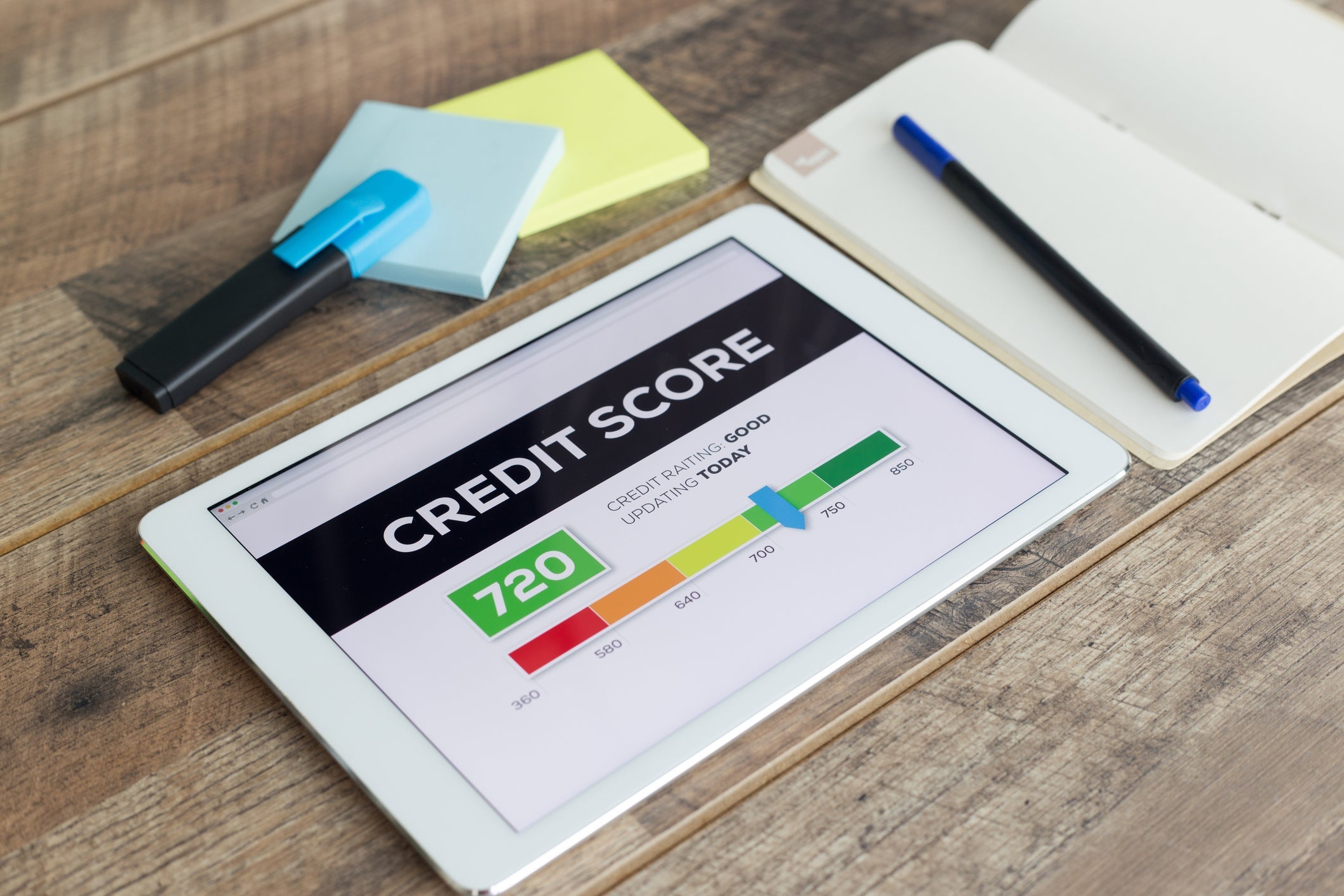
Credit scores are three-digit numbers and usually fall anywhere between 300 and 850 — for financial institutions, they represent the theoretical likelihood you’ll repay a loan on time. They’re also a little mysterious, and that’s no accident. The major credit-scoring companies, FICO and VantageScore, keep their formulas secret. While there are things we do know, only a handful of people know the exact recipe that’s used to generate a credit score.
Nevertheless, credit-scoring companies release enough information that experts can largely determine how these numbers are calculated.
Here’s what you need to know about how credit scores work.
Credit score basics
Credit-scoring models use a person’s credit history from one of the three major consumer credit bureaus: Experian, Equifax or TransUnion. Before credit scores existed, a lender would have to pull a copy of your entire credit report and then analyze it to determine your creditworthiness. But now, they can go off a single number.
FICO is relatively forthcoming about the overall factors that make up its credit-scoring models:
FICO
Payment history: Your payment history comprises 35% of your FICO score. If you get behind in making loan or credit account payments, the longer and more recent the delinquency, the greater the negative impact on your credit score.
Amounts owed: 30% is based on the relative scale of your current debt. In particular, your debt-to-credit ratio is the total of your debts divided by the total amount of credit you’ve been extended across all accounts. Lenders generally like to see a debt-to-credit ratio below 30%, but the lower, the better.
Length of credit history: 15% is based on the average age of all accounts on your credit history. This becomes a significant factor for those with very little credit history, such as young adults, recent immigrants and anyone who has largely avoided credit. It can also be a factor for people who open and close accounts within a very short period.
New credit: 10% is determined by your most recent accounts. Opening too many accounts within a short time frame might have a negative impact on your score, as the scoring models will interpret this as a sign of possible financial distress.
Credit mix: 10% is related to how many different types of credit accounts you have, such as mortgages, car loans, credit loans and store charge cards. While having a larger mix of credit accounts is better than having fewer, no one recommends taking out unnecessary loans to diversify your credit and boost your score.
How to boost your credit score the traditional way
Pay your bills on time consistently
Consistently paying your bills on time is the most important way to improve your credit score. Thankfully, most lenders won’t report delinquencies less than 30 days old, and many won’t even report payments that are 30 to 60 days late. But once you get beyond 60 days, each late payment will dramatically affect your credit score.
WESTEND61/GETTY IMAGES
Most of your accounts allow you to take extra steps to ensure you'll pay your bills on time, like setting up alerts, reminders and automatic payments. Take advantage of these options to help ensure you'll never miss a payment.
Your debt-to-credit ratio is the total amount of debt you have divided by the total amount of credit you’ve been extended across all accounts. There are two ways to decrease your debt-to-credit ratio: by decreasing your debt and increasing your credit.
This is why applying for a new credit card can actually help your credit score. Increasing your available credit, either through existing accounts or by opening a new account, should decrease your debt-to-credit ratio — if you don’t take on more debt. This is also why, if you plan on canceling a credit card, you’ll want to move the line of credit on that card to another card to keep your overall line of credit as high as possible.
After making on-time payments and reducing your debt-to-credit ratio, the next important thing you need to remember is not opening many new credit card accounts or other loans in a short amount of time. Card issuers don’t want to loan money to someone who appears to be seeking a lot of new loans, as that could be a sign of financial instability.
Another way you can improve your credit score is to correct any errors you find in your credit history.
MASKOT/GETTY IMAGES
You can request credit reports for free from the three major credit bureaus and check for errors. If you find any mistakes, request corrections, as those errors could significantly impact your credit score.
When you’ve made a mistake that’s affected your credit report and score, you can ask the lender to remove the negative information. Simply call or write the lender, explain the mistake and politely request that they amend your credit history to remove the record.
In our experience, this works best for minor mistakes on an account with an otherwise spotless payment record. And before asking for forbearance, ensure your account is no longer delinquent.
Common misconceptions about credit scores
There’s a quick fix for bad credit
Like ads for magical pills that supposedly allow you to lose weight without diet and exercise, plenty of people claim to have discovered (and will try to sell you) a quick fix for bad credit.
The truth is that you have to pay your bills on time and carry very little debt. If you do those two things and have a significant credit history, you'll have a great credit score. But if you have a record of late payments and a high level of debt, it will take some time and consistent good credit habits to pull your score up.
Many of us at TPG have numerous credit card accounts. In response to hearing that, some conclude that our credit must be terrible and are surprised to learn that we have excellent credit not despite our numerous accounts — but because of them.
When managed responsibly, each account adds positive information to your credit history and helps you maintain a high credit score. So, if you have little-used accounts with no annual fee, there’s really little reason to close them.
WESTEND61/GETTY IMAGES
Look at it from the lender’s perspective: Would you rather offer a new line of credit to someone with a very limited record of paying back loans or someone with a very extensive history of managing multiple credit lines responsibly?
By never using your credit cards or by paying off your balances before the statement closes, it’s possible to have a credit report that shows 0% utilization. But it’s actually better to have a very low utilization ratio as opposed to 0% utilization.
Again, the credit-scoring models favor those who use credit responsibly over those who don’t use it at all.
Bottom line
Knowing how your credit score works is incredibly important. Having a higher score is ideal, so understanding the ins and outs of how it is determined can help you make better financial decisions.
It is also never too late to try to improve your score. If you are in a position where your credit score is low, there are many things you can do to move that score up the scale. While it won’t happen overnight, just a few changes can go a long way and affect whether or not you’ll be approved for a new line of credit.
Comments
By commenting, you agree to our Community Guidelines to help create a positive space for conversation. The responses below are not provided or commissioned by the bank advertiser, our partners, or The Points Guy (“TPG”). They have not been reviewed, approved, or otherwise endorsed by any of these parties. All responses are submitted by individual contributors, and neither the bank advertiser, our partners, nor TPG are responsible for ensuring that all posts and/or questions are answered.