The Points Guy believes that credit cards can transform lives, helping you leverage everyday spending for cash back or travel experiences that might otherwise be out of reach. That's why we publish a variety of editorial content and card comparisons: to help you find a great card to turn your goals into reality.
Our site may earn compensation when a customer clicks on a link, when an application is approved, or when an account is opened with our partners, and this may impact how or where these products appear. While we don't cover all available credit cards, our editorial team creates and maintains all of the analysis of these cards, and our content is not influenced nor subject to review by any credit card company, bank or partner prior to (or after) publication. Please view our advertising policy and product review methodology for more information.
Advertiser disclosure
The Points Guy believes that credit cards can transform lives, helping you leverage everyday spending for cash back or travel experiences that might otherwise be out of reach. That's why we publish a variety of editorial content and card comparisons: to help you find a great card to turn your goals into reality.
Our site may earn compensation when a customer clicks on a link, when an application is approved, or when an account is opened with our partners, and this may impact how or where these products appear. While we don't cover all available credit cards, our editorial team creates and maintains all of the analysis of these cards, and our content is not influenced nor subject to review by any credit card company, bank or partner prior to (or after) publication. Please view our advertising policy and product review methodology for more information.
Guides
Don’t cancel: How to downgrade a Chase credit card
Featured image by WITTHAYA PRASONGSIN/MOMENT/GETTY IMAGES
TPG's director of travel content Eric Rosen has used points and miles to visit some of the world's most remote corners, including swimming with whale sharks off Western Australia's Ningaloo Coast, exploring the wilds of Botswana's Okavango Delta and tasting the high-altitude wines of Argentina's Mendoza region.
August 9, 2026 • 9 min read
The cards we feature here are from partners who compensate us when you are approved through our site, and this may impact how or where these products appear. We don't cover all available credit cards, but our analysis, reviews, and opinions are entirely from our editorial team. Terms apply to the offers listed on this page. Please view our advertising policy and product review methodology for more information.
Editorial note: This is a recurring post, regularly updated with new information and offers.
Editorial disclaimer: Opinions expressed here are the author's alone, not those of any bank, credit card issuer, airline or hotel chain, and have not been reviewed, approved or otherwise endorsed by any of these entities.
Comments
By commenting, you agree to our Community Guidelines to help create a positive space for conversation. The responses below are not provided or commissioned by the bank advertiser, our partners, or The Points Guy (“TPG”). They have not been reviewed, approved, or otherwise endorsed by any of these parties. All responses are submitted by individual contributors, and neither the bank advertiser, our partners, nor TPG are responsible for ensuring that all posts and/or questions are answered.
Related stories
Quick summary
Downgrading a premium travel rewards card can help reduce costs while preserving your credit history and, in some cases, your rewards points.
The process typically involves selecting an eligible card within the same product family and contacting customer service to request a product change.
Downgrading does not usually require a credit check and allows you to maintain your existing account and credit line.
It is important to consider whether you are still getting enough value from your card’s perks to justify the ongoing cost.
What to consider
You generally must hold a card for at least 12 months before downgrading, and downgrades are usually limited to the same card family and personal or business category.
If moving from a card that earns transferable rewards to one that does not, transfer or redeem your points first to avoid losing access to airline and hotel transfer partners.
Downgrading is not considered a new application, so you will not receive a welcome bonus on the new card.
What you'll miss from the article
A step-by-step checklist for a smooth downgrade and tips on protecting your rewards during the process.
Generated by AI with support from our editorial team.
Comments
By commenting, you agree to our Community Guidelines to help create a positive space for conversation. The responses below are not provided or commissioned by the bank advertiser, our partners, or The Points Guy (“TPG”). They have not been reviewed, approved, or otherwise endorsed by any of these parties. All responses are submitted by individual contributors, and neither the bank advertiser, our partners, nor TPG are responsible for ensuring that all posts and/or questions are answered.
If you answer no to any of the questions above, you might consider canceling your card or at least asking Chase to extend a retention offer to keep it.
In many cases, you can downgrade your Chase credit card to one with a lower annual fee or even no annual fee at all.
Doing so typically won't require a credit check, can help preserve your credit history and may allow you to keep your Chase Ultimate Rewards points, depending on which card you downgrade to.
Keep in mind, downgrading means you won't earn a welcome bonus on your new card, and if you're moving to a card that doesn't earn transferable Ultimate Rewards points, you'll want to have a plan for your existing rewards.
Here’s how to downgrade a Chase credit card and why you might want to consider doing so.
Before you call in with your downgrade request, it’s smart to know which card you want to downgrade to. When you pick up the phone, make sure you’ve done your homework and selected an eligible card whose annual fee (or no annual fee) is more within your budget.
Typically, you can only downgrade within the same card family, and personal cards must stay personal, while business cards must stay business.
Step 2: Protect your Chase Ultimate Rewards points
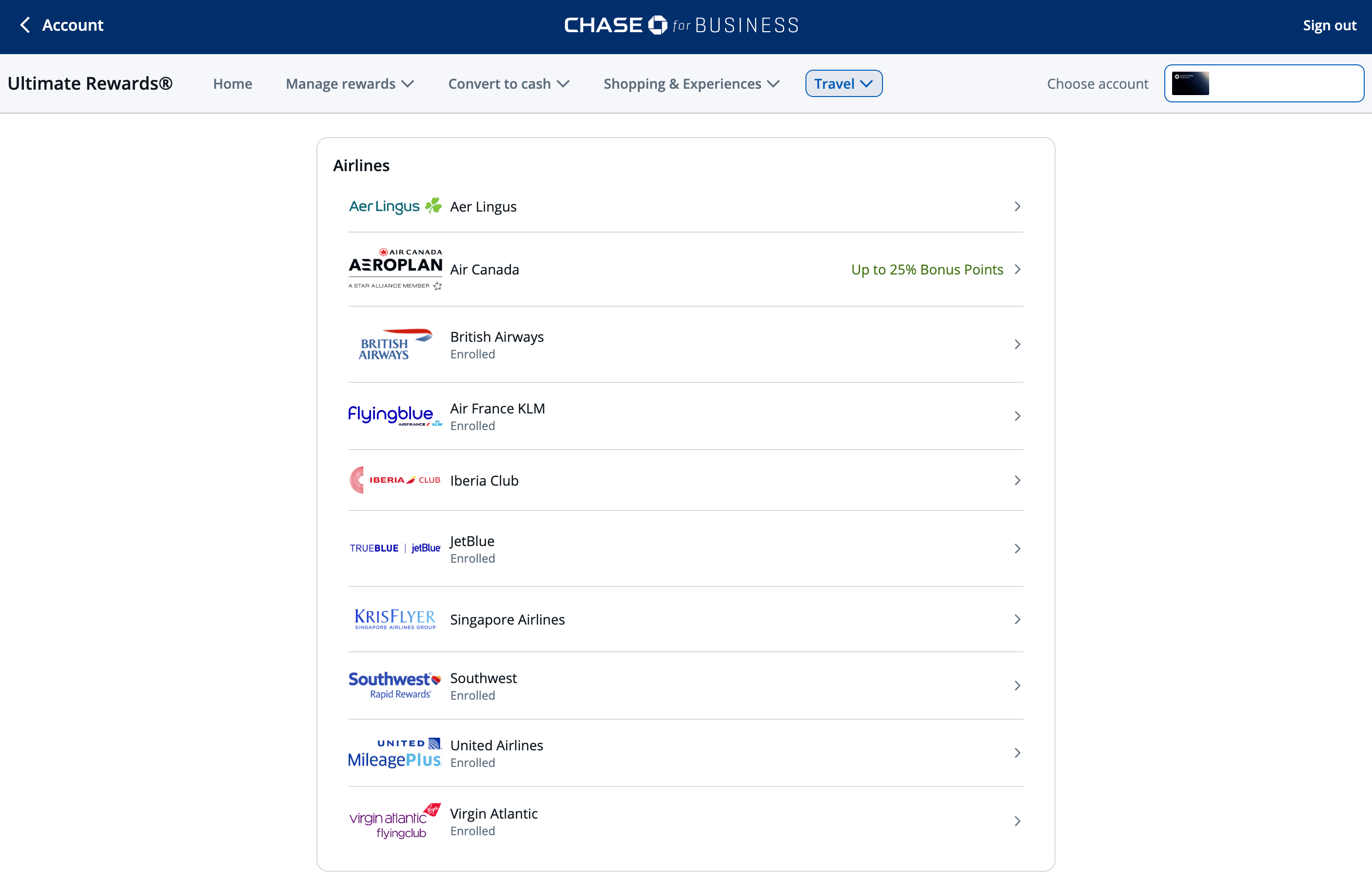
If you're downgrading from a Chase card that earns transferable Ultimate Rewards points to one that doesn't, transfer or redeem your points first.
Otherwise, you'll lose the ability to transfer them to Chase's airline and hotel partners like World of Hyatt and United Airlines unless you still hold another eligible Ultimate Rewards card.
CHASE.COM
Chase’s flagship suite of cards earn Ultimate Rewards points and include the following:
If you continue to carry another card that earns transferable Ultimate Rewards points, you will be able to combine your points beforehand. It's also possible totransfer Ultimate Rewards points between household members, just remember to call Chase to set this up ahead of time.
If you're downgrading a cobranded card, such as United, Southwest, Marriott or IHG, your airline miles or hotel points remain safely in your loyalty account.
Step 3: Call Chase to request a product change
To downgrade your card or request a "product change" as it’s sometimes referred to, you should call the customer service phone number on the back of your card.
You can also initiate a downgrade by logging into your Chase online account and sending a secure message, but this is time-consuming, as responses take 24-48 hours, and chances are you’ll have to call in and complete the downgrade anyway.
Once on the phone with an agent, the process usually just takes a matter of minutes. Since you're changing an existing account rather than opening a new one, Chase generally won't perform a credit check.
Step 4: Verify your new account
Before ending the call, confirm:
Which card you're receiving
The annual fee (if any)
Your new benefits
That your existing credit line is being maintained
Does downgrading your Chase credit card make sense?
Here’s what you need to think about as you decide whether to downgrade your Chase card.
OR IMAGES/GETTY IMAGES
Is the annual fee worth it?
The main thing to consider when trying to decide whether to downgrade your card is this:
Are you getting more value from your card’s perks than its annual fee costs?
Or are you just paying for benefits you are not using?
It’s no use carrying an airline credit card like the United Quest℠ Card (see ), which offers two free checked bags and a 10,000-mile award discount every year after your first anniversary if you seldom fly and only pack carry-on, for instance.
Can you earn more points with another card?
You should also consider whether your credit card offers bonus-earning opportunities in the categories where you spend the most, such as dining out or on groceries. Otherwise, it might be worth switching to a card that offers more rewards.
Are you giving up a welcome bonus later?
Remember, product changes don't qualify as new card applications, so you won't receive a welcome bonus after downgrading and you could be forfeiting tens of thousands of points.
Typically, Chase requires that you carry a credit card at least 12 months before you can request a downgrade.
That can make this timing tight, but try to downgrade your card before your billing statement with the annual fee on it is due.
If your annual fee has already come and gone, Chase might be willing to prorate it and refund a portion for the portion of the year you will not have the card.
What Chase card can I downgrade to?
With Chase cards, you typically have to downgrade within the same suite, or family, of cards, and you can only downgrade one personal credit card to another personal credit card, and one business credit card to another business credit card.
And to be extra clear, by "downgrade," I mean going from a card with a higher annual fee to one with a lower annual fee.
Here are some common downgrade options for Chase's most popular cards. Keep in mind that available product changes vary by account.
The information for the Southwest Rapid Rewards Premier credit card has been collected independently by The Points Guy. The card details on this page have not been reviewed or provided by the card issuer.
A checklist before downgrading your Chase credit card
You’ve weighed your options, considered which card you might want to drop and which to replace it with, and now it’s time to run through a quick downgrade checklist to ensure your downgrade goes as smoothly as possible.
Make sure you’ve had your card for at least 12 months.
Check whether your annual fee has posted. Chase may prorate or refund part of it if you downgrade shortly afterward.
Transfer or redeem Ultimate Rewards points if necessary.
Verify the card you’re being downgraded to, its annual fee and benefits.
Request to maintain your entire line of credit (or as close to it as possible) so as to have the least impact on your credit score.
Downgrading a Chase credit card can be a smart alternative to canceling if your current annual fee no longer makes sense.
By planning ahead, protecting your Ultimate Rewards points and choosing the right replacement card, you can preserve your credit history while moving to a card that better fits your spending habits.
However, just remember that downgrading means giving up the opportunity to earn a new card’s welcome bonus or losing the ability to transfer Ultimate Rewards to airline and hotel partners, so it's worth comparing your options before making the switch.
But with a little planning and preparation, you can avoid the pitfalls and save yourself some money by making the right choices.